A Short History of the Mediterranean
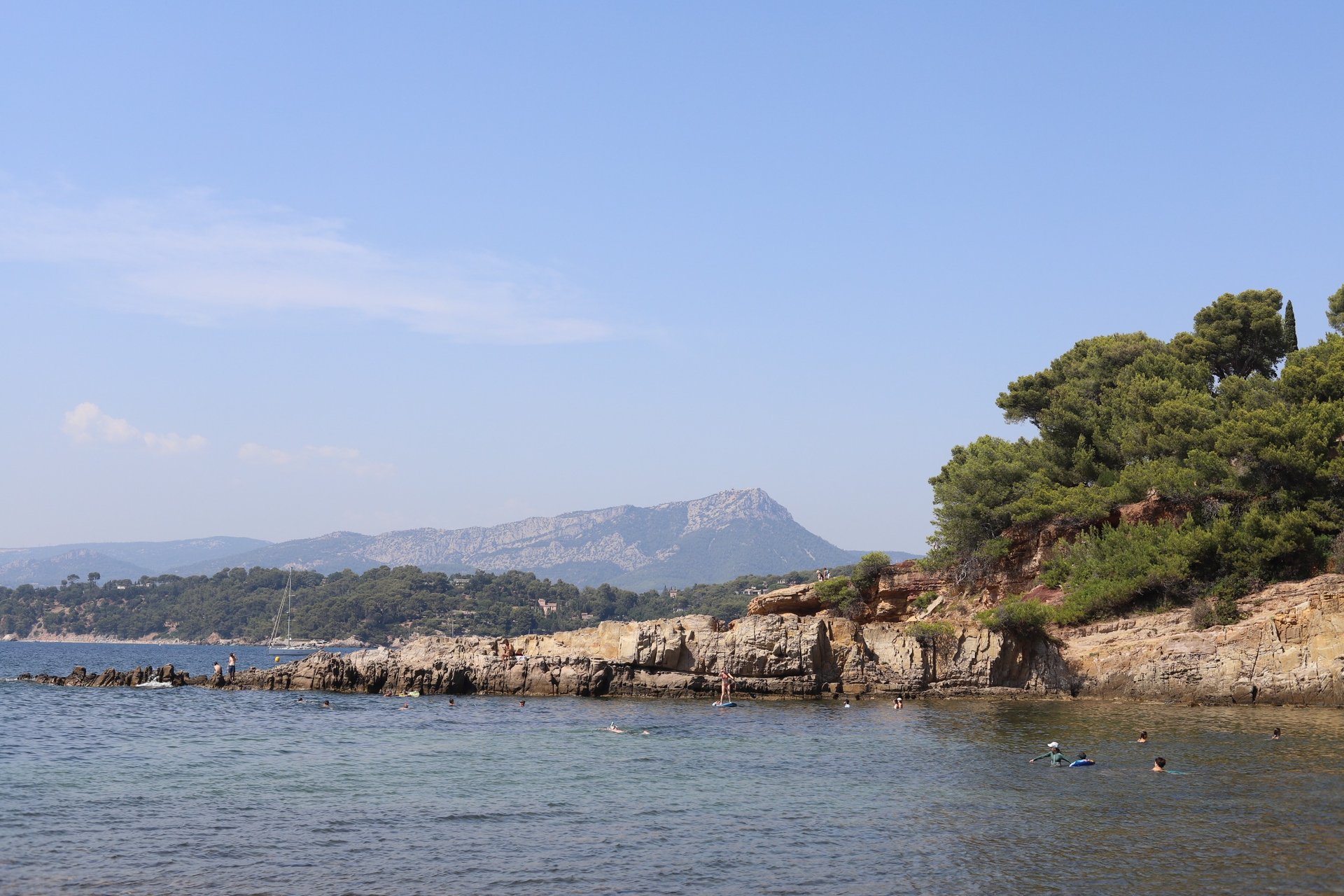
A Brief History of the Mediterranean
The Mediterranean is not just a sea, but a vast cultural region shaped over thousands of years. Stretching across southern Europe, North Africa, and parts of the Middle East, it has always been defined by movement — of people, goods, languages, and ideas. Rather than belonging to a single civilisation, it has been continuously shaped by many, each leaving traces that still influence the region today.
The Ancient Mediterranean: Birth of a Connected World
In antiquity, the Mediterranean became one of the world’s first major interconnected regions. Civilisations such as the Egyptians, Phoenicians, Greeks, and Romans all relied on the sea as a route for trade and communication.
The Phoenicians established trading networks across the coastlines, spreading alphabets and commercial practices. The Greeks expanded maritime trade and cultural exchange, founding colonies throughout the Mediterranean basin. Later, the Romans unified much of the region under a single political system, creating what was effectively an early “globalised” economy for its time.
Goods such as olive oil, wine, grain, ceramics, and textiles moved constantly between ports. Alongside trade came ideas — philosophy, governance, architecture, and early scientific thought — many of which formed the foundations of Western and Near Eastern traditions.
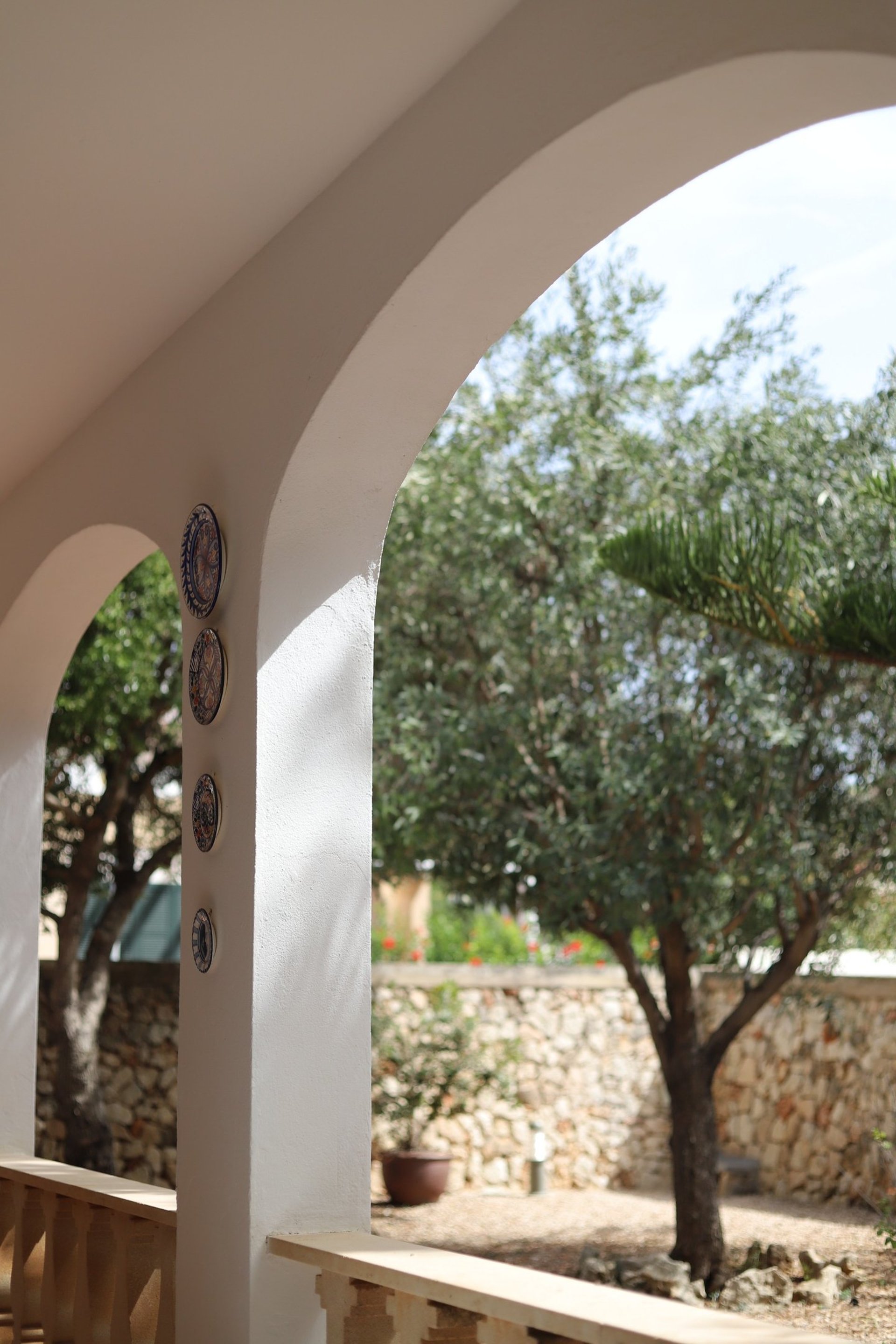
The Post-Classical Mediterranean: Empires and Exchange
After the fall of the Western Roman Empire, the Mediterranean did not lose its importance. Instead, it became a space shared by competing but interconnected powers.
The Byzantine Empire in the east preserved Roman administrative systems and Christian traditions, while the rise of Islamic caliphates from the 7th century onwards transformed large parts of North Africa, the Levant, and the Iberian Peninsula. Cities such as Constantinople, Cairo, and Córdoba became major centres of learning, trade, and cultural development.
During this period, the Mediterranean remained a highly dynamic region. Knowledge in mathematics, medicine, astronomy, and agriculture was translated, adapted, and expanded across cultural boundaries. Agricultural innovations and irrigation techniques improved food production, while trade routes continued to link distant communities through shared markets and coastal networks.

The Medieval Mediterranean: Trade, Cities, and Daily Life
In the Middle Ages, the Mediterranean was characterised by powerful maritime republics and bustling port cities. Venice, Genoa, and other trading powers built extensive commercial networks that connected Europe with North Africa and the Eastern Mediterranean.
Life across the region remained surprisingly interconnected despite political divisions. Coastal communities shared similar patterns of eating, farming, and trade, shaped by the climate and geography. Staples such as olives, grapes, legumes, wheat, and seasonal vegetables became central to everyday diets.
This period also saw the continued blending of cultural influences, particularly in southern Spain, Sicily, and parts of the Levant, where Christian, Islamic, and Jewish communities coexisted and exchanged culinary, linguistic, and artistic traditions.

The Early Modern Mediterranean: Expansion and Change
From the 15th century onwards, global exploration and the rise of Atlantic trade routes gradually shifted economic focus away from the Mediterranean. However, the region remained strategically important for European empires and continued to thrive as a centre of local trade and agriculture.
Cities and coastal towns maintained their traditional rhythms of fishing, farming, and small-scale commerce. Despite broader geopolitical changes, daily life in many Mediterranean communities remained closely tied to the land and sea.
The Modern Mediterranean: Tourism, Identity, and Continuity
In the modern era, the Mediterranean has become one of the world’s most popular travel destinations. Its coastline, islands, and historic cities attract millions of visitors each year, drawn by its climate, food culture, and landscapes.
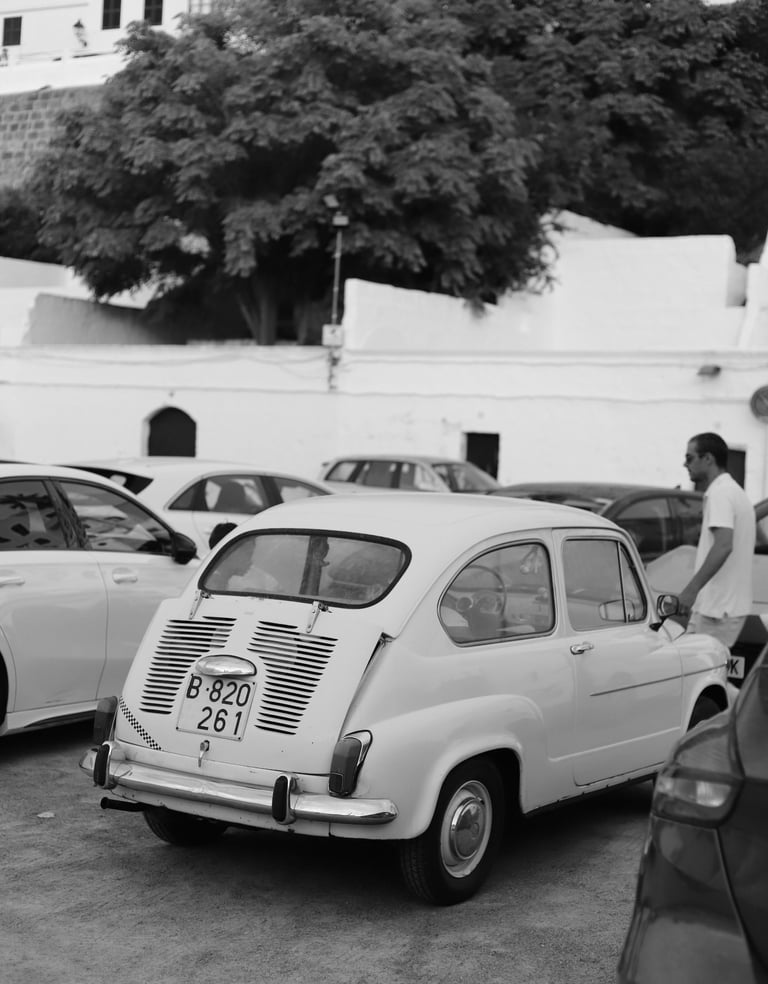
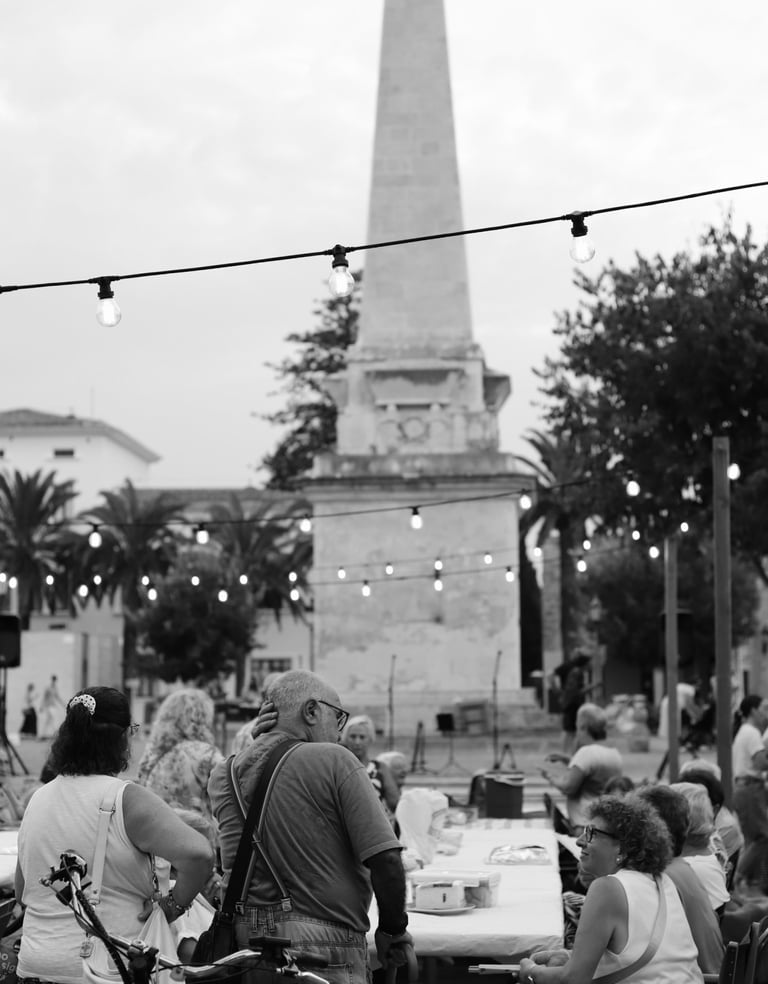
At the same time, it remains a deeply lived-in region, not just a destination. Migration, economic change, and urban development continue to shape its identity. Languages, cuisines, and traditions vary widely from place to place, yet shared elements remain visible across the region — particularly in food culture, architecture, and lifestyle.
The Mediterranean Today: A Living Cultural Space
Today, the Mediterranean is often associated with leisure, beauty, and “slow living,” but its deeper identity is far more complex. It is a region built on centuries of exchange, adaptation, and resilience.
Many aspects of daily life — from olive oil-based cooking to market culture and coastal urban life — reflect this long history. The Mediterranean is not a fixed image, but an evolving cultural space where past and present continue to overlap in everyday life.
It remains, above all, a region defined by connection: between continents, cultures, and histories that have shaped one of the most enduringly influential areas in the world.
Explore
About
Travels
Food
Lifestyle
© 2026 Beside the Mediterranean
Socials
Instagram
Pinterest
Legal
Privacy Policy
Cookie Policy
Beside the Mediterranean