Exploring In and Around Toulon
In and Around Toulon


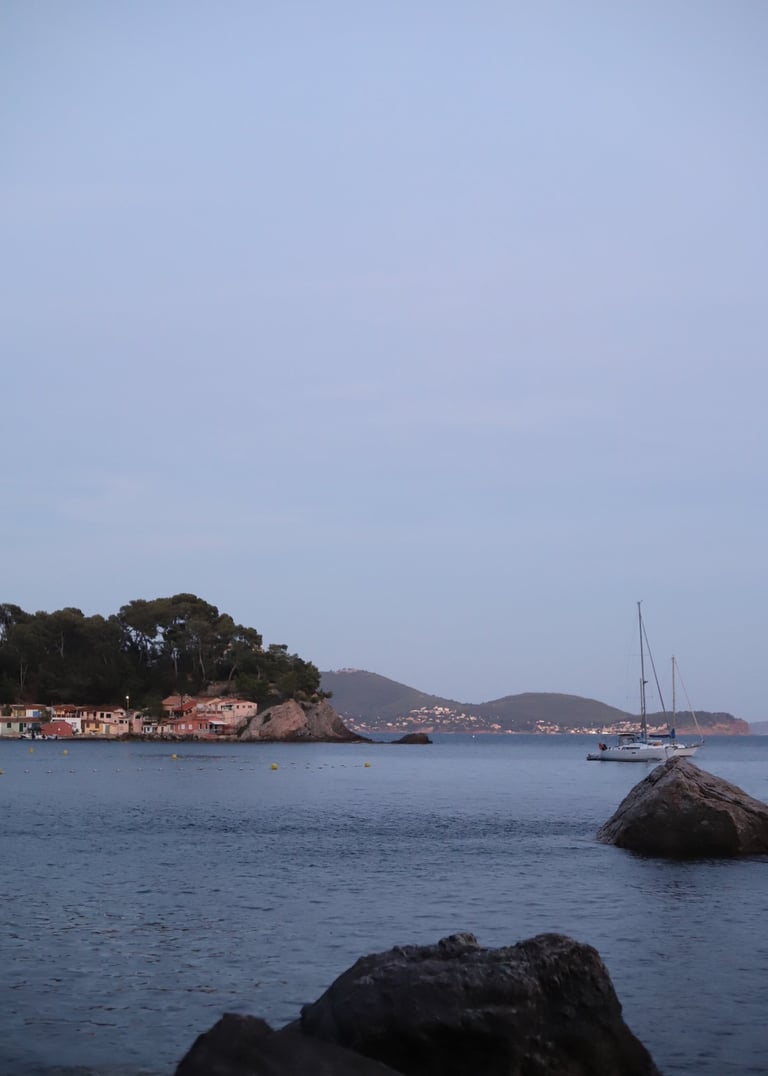
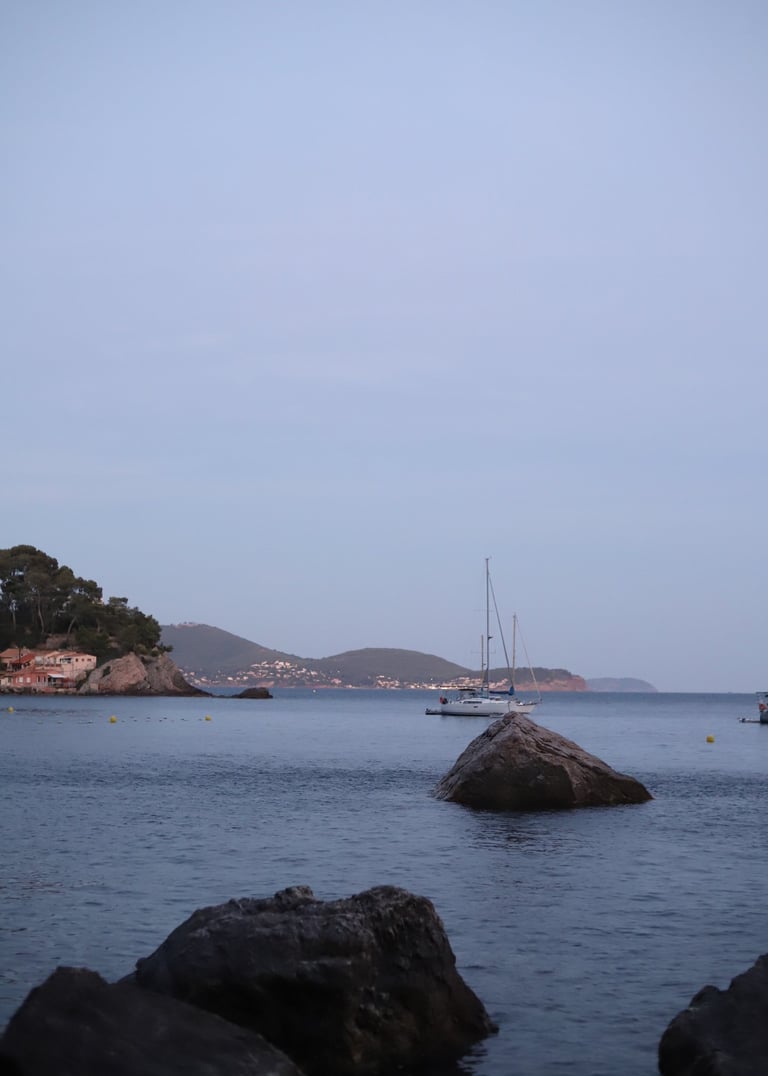
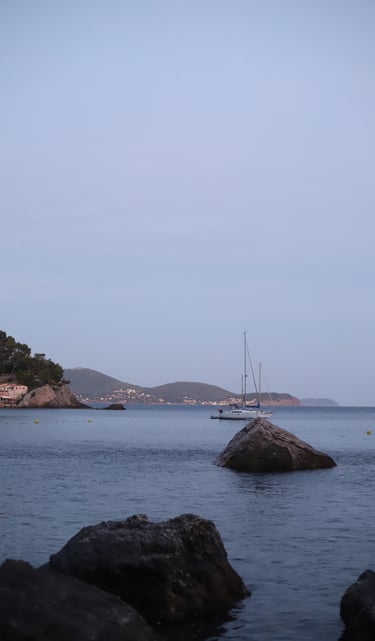
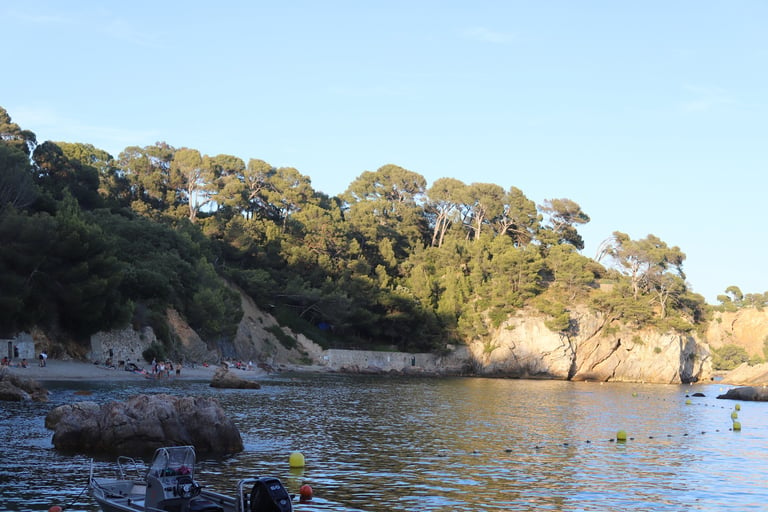
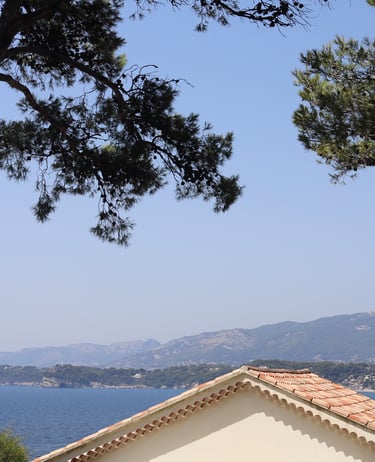
Beautiful habour in Le Pradet.
Toulon is a beautiful Mediterranean city in the south of France, known for its picturesque harbour, palm-lined waterfront and relaxed atmosphere. Nestled between the sea and surrounding hills, it enjoys around 300 days of sunshine each year, making it one of the sunniest places in France.
_________________________________________________________________________________________________________________________________________________________
At the start of this year we decided we would spend our summer holidays in France. We wanted to visit our friend and we were also keen to spend a few days by the sea. As you can imagine, it was quite difficult to find accommodation during peak season that wasn't exceptionally expensive. So we were thrilled when we found a small little studio which was well connected, within our budget, and only half an hour from some truly beautiful beaches. We booked it right away and couldn’t wait to explore a fresh corner of a country we already love so much.
Located in the Provence-Alpes-Côte d'Azur region, Toulon is surrounded by vineyards, lavender fields and beautiful hilltop villages. Travelling along the coast by bus is absolutely breathtaking, and we were able to take in the views of the traditional pine forests that line this stretch of the Mediterranean coast before our arrival at the central station.
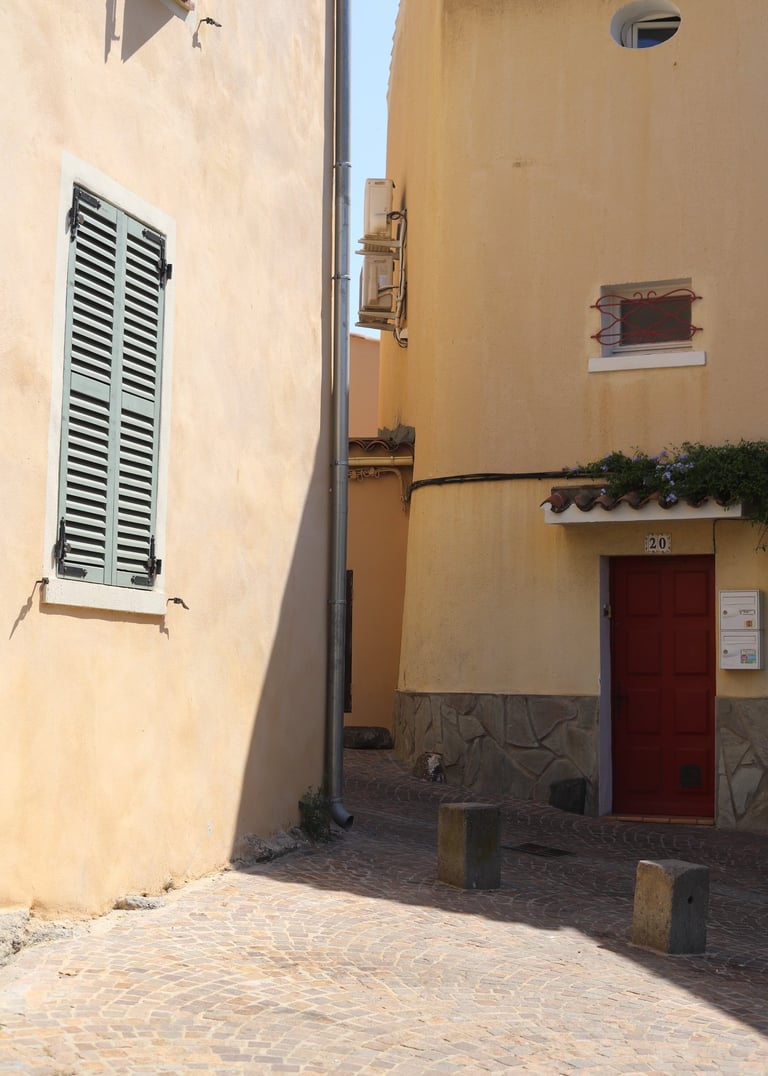
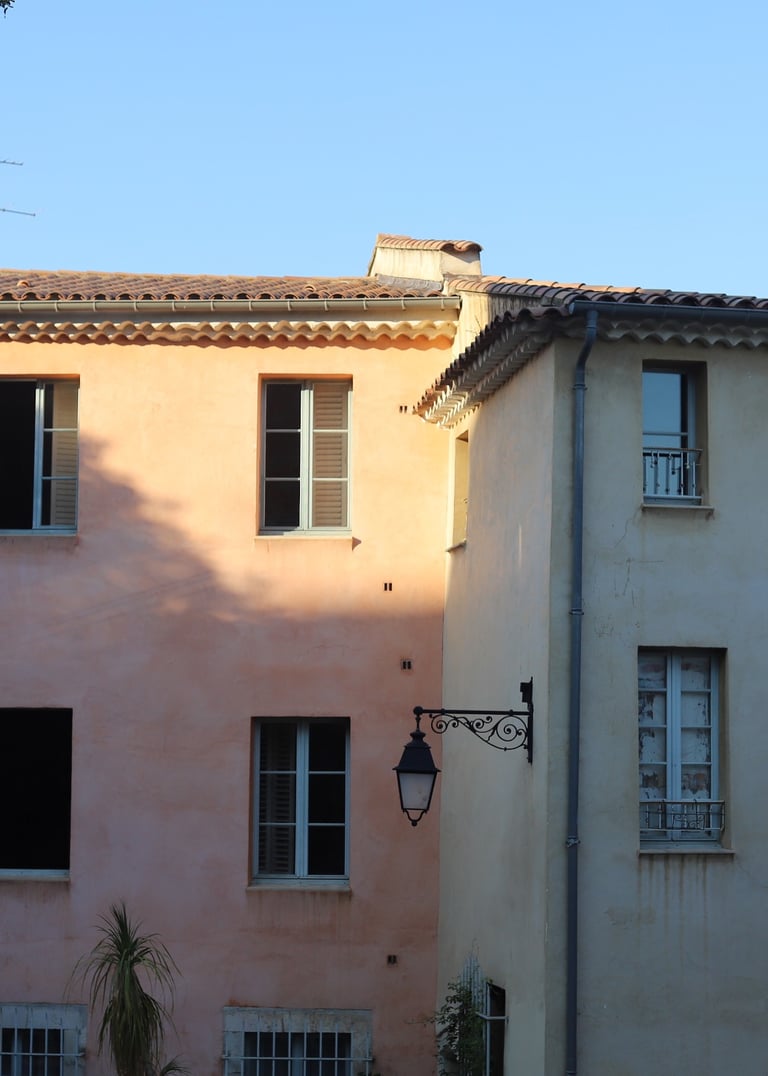
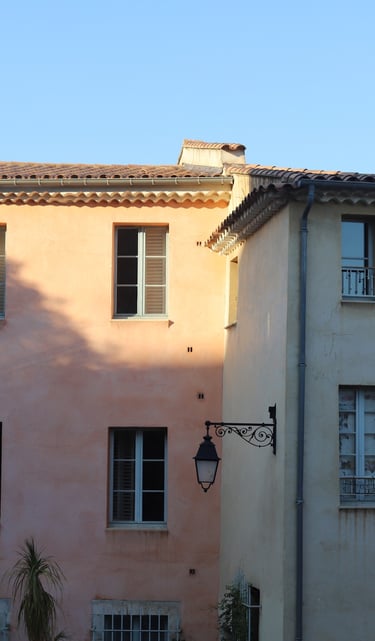
We stayed just outside La Garde, a small town in the outskirts of Toulon. The area had lots of colourful houses, quiet residential streets, and a small pizza restaurant and tobacco shop.
The first thing we did was have a slow evening walk and go to explore the nearby beaches. Plage L’anse Méjean and Plage L’anse Magaud were about half an hour away from me, past a Boulangerie and small super market with a very friendly Spanish cashier.
Plage L’anse Méjean ET L’anse Magaud
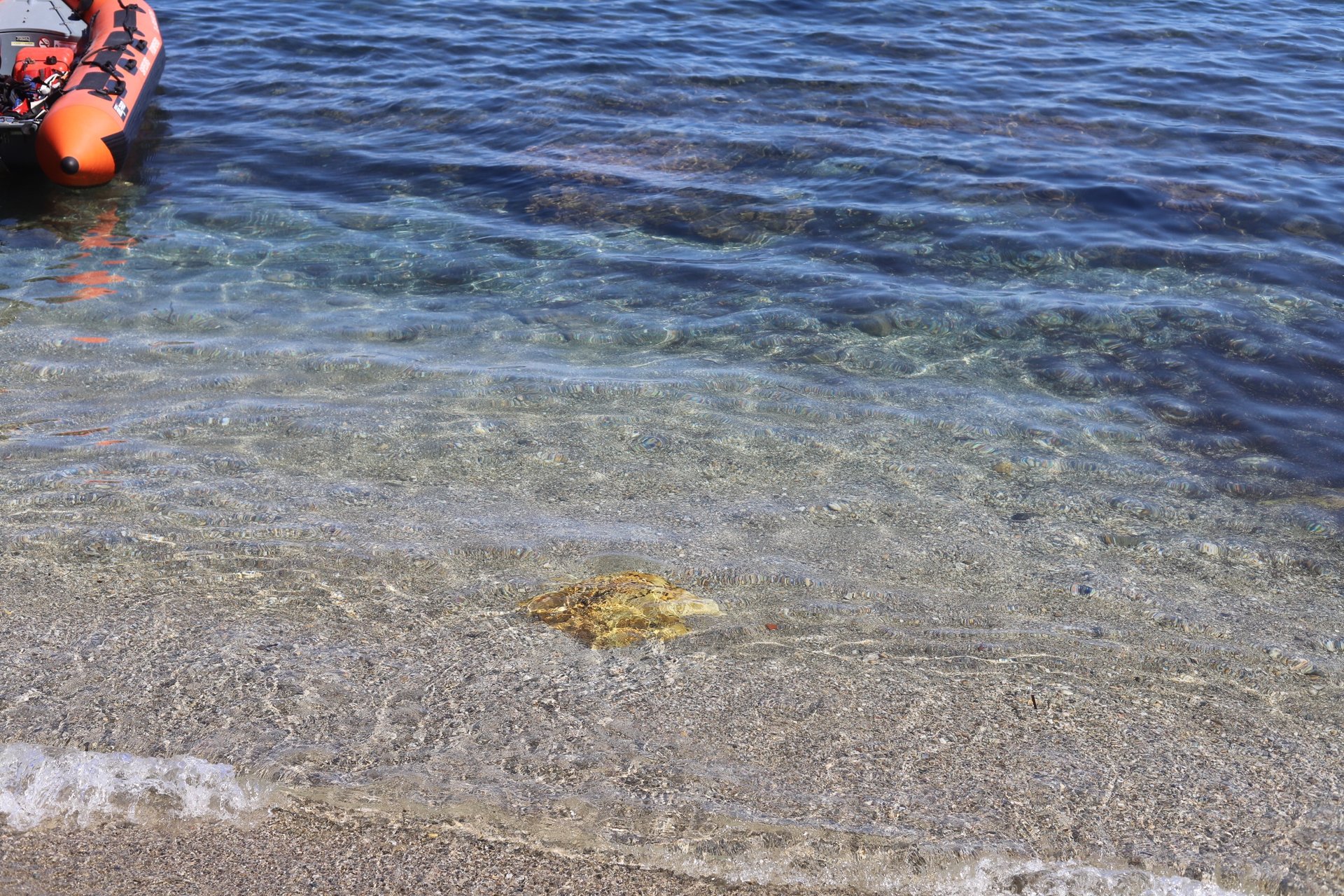
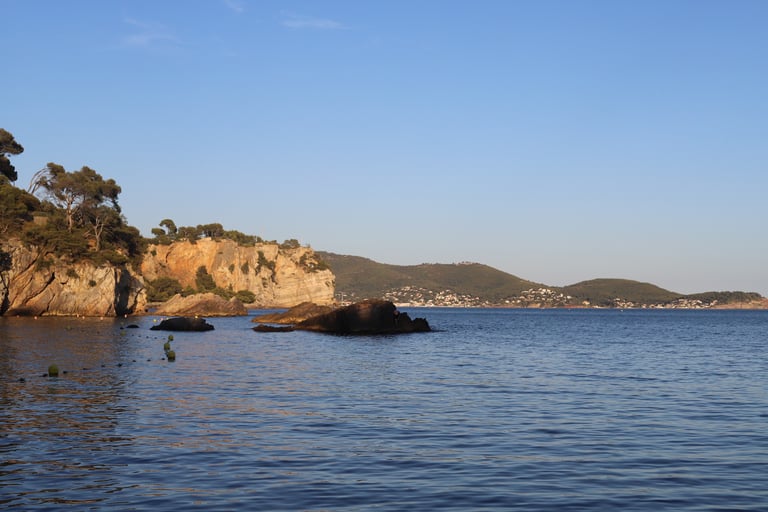
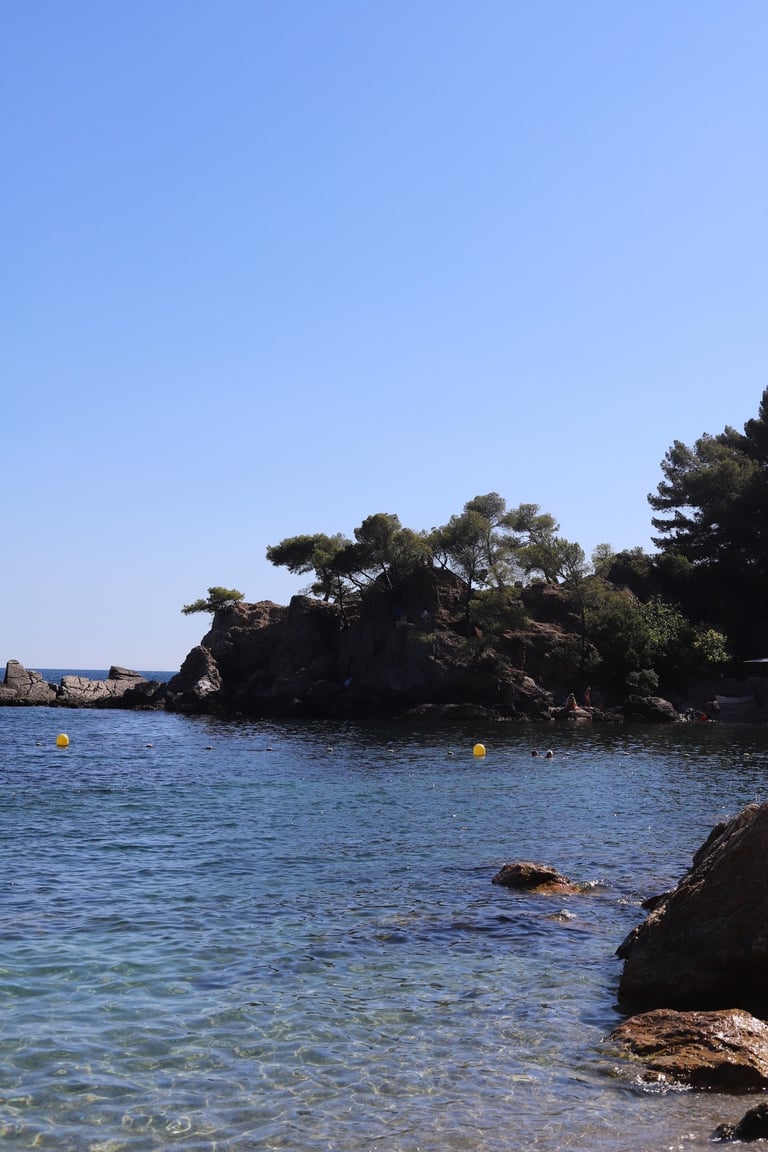
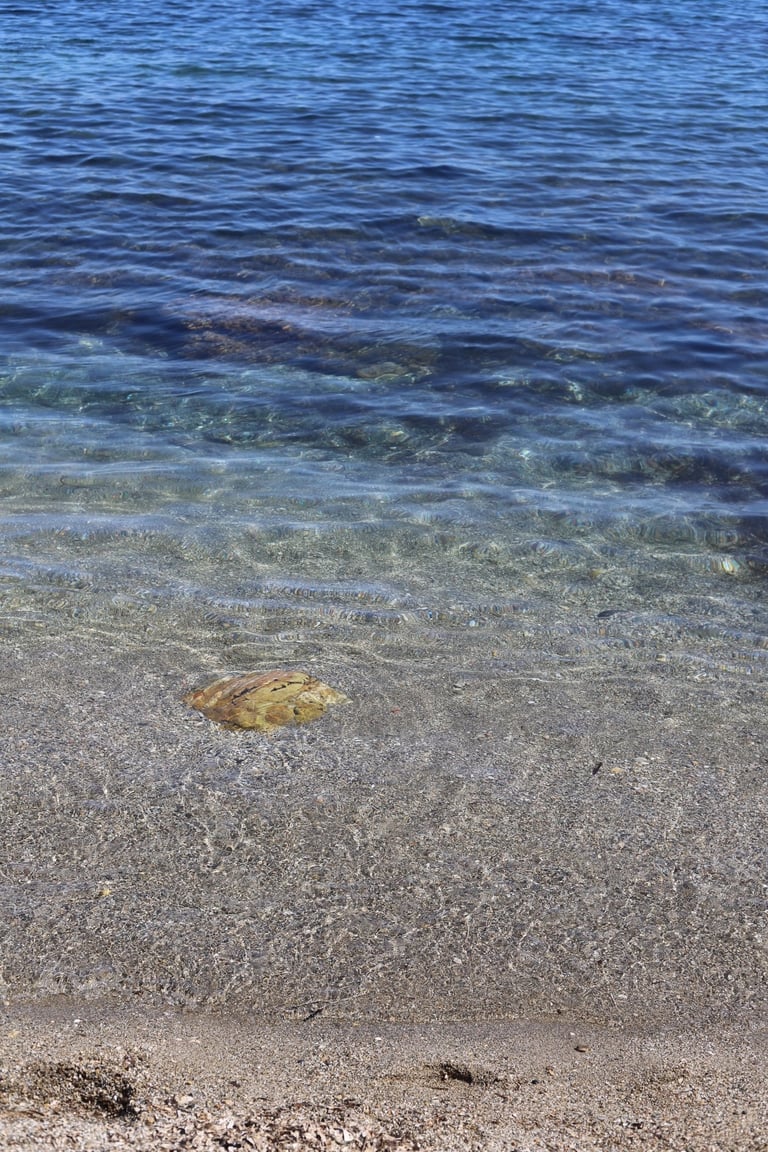
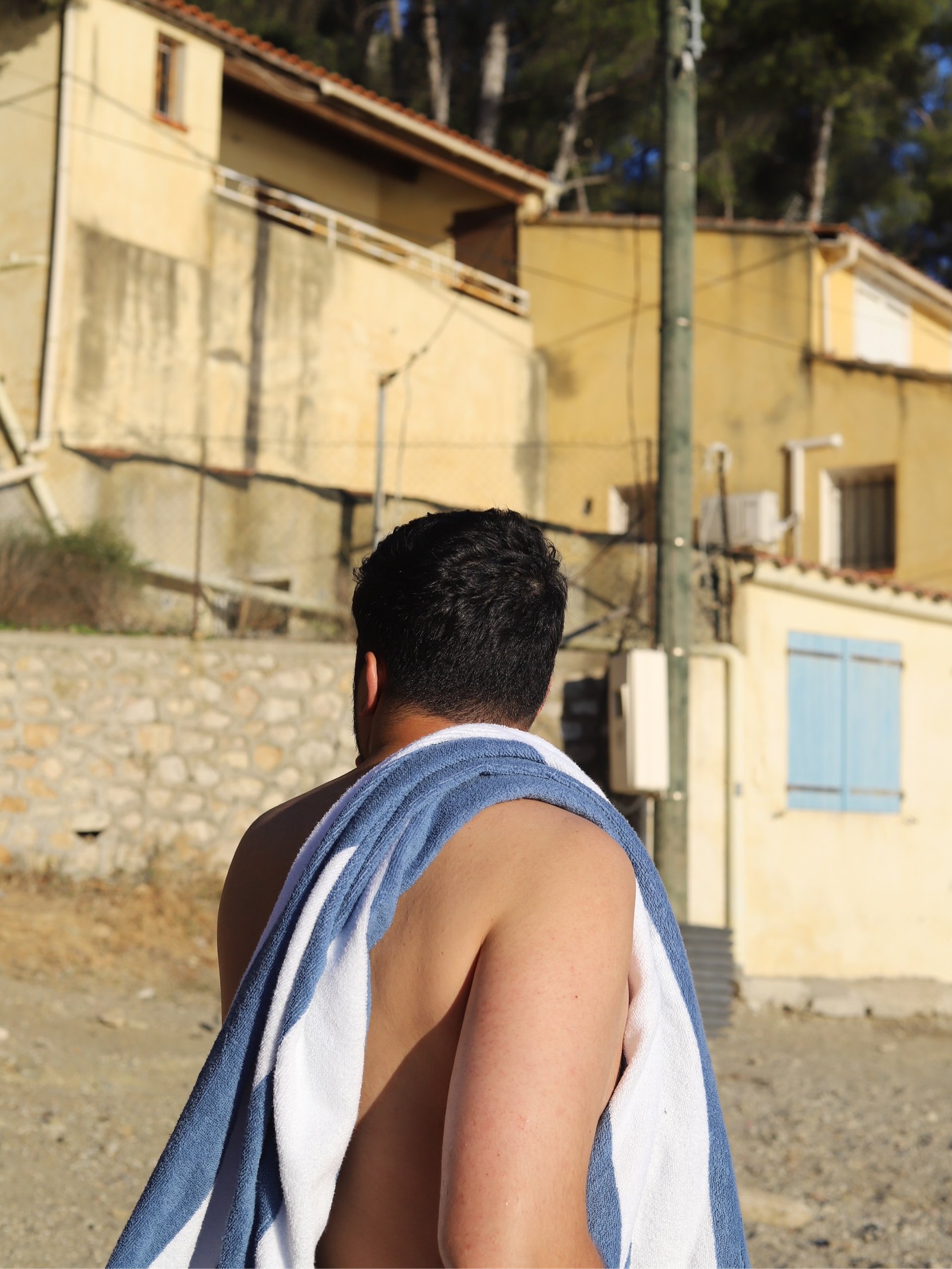
L’Anse Méjean beach has a charming little port and a handful of colorful fishermen’s houses that give it a real postcard-like feel. The water is crystal clear and shallow, perfect for swimming or snorkeling along the rocks. We spent our first evening discovering this beach and walked it from end to end.
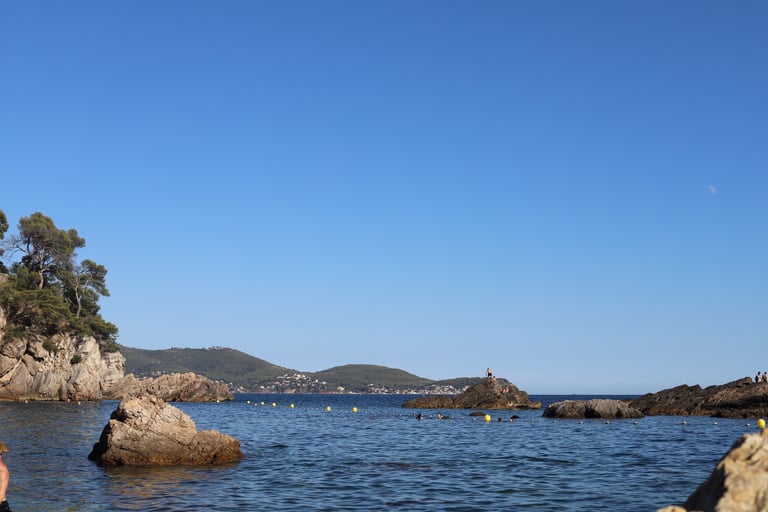
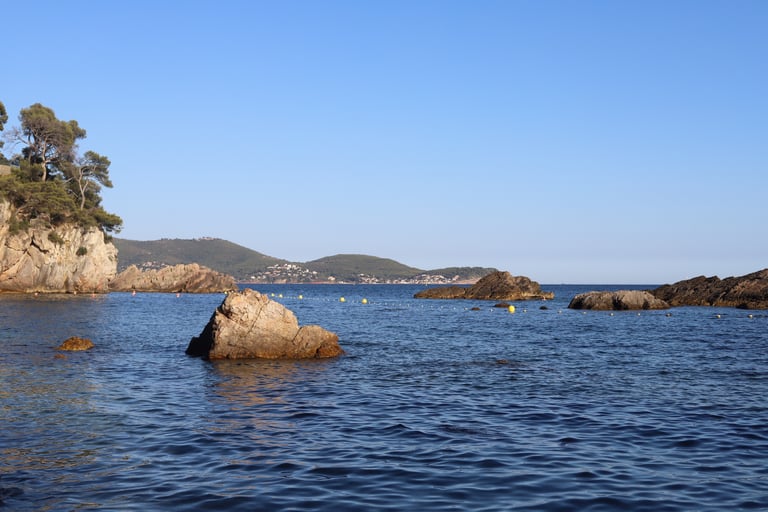
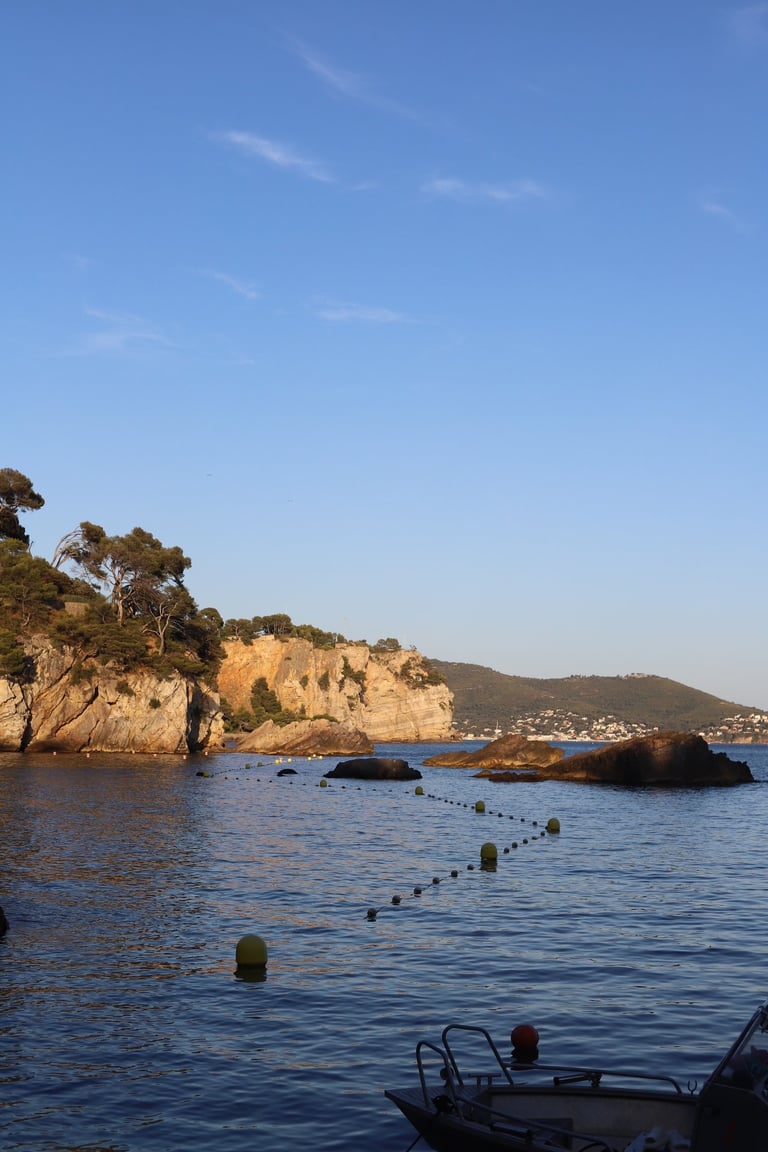
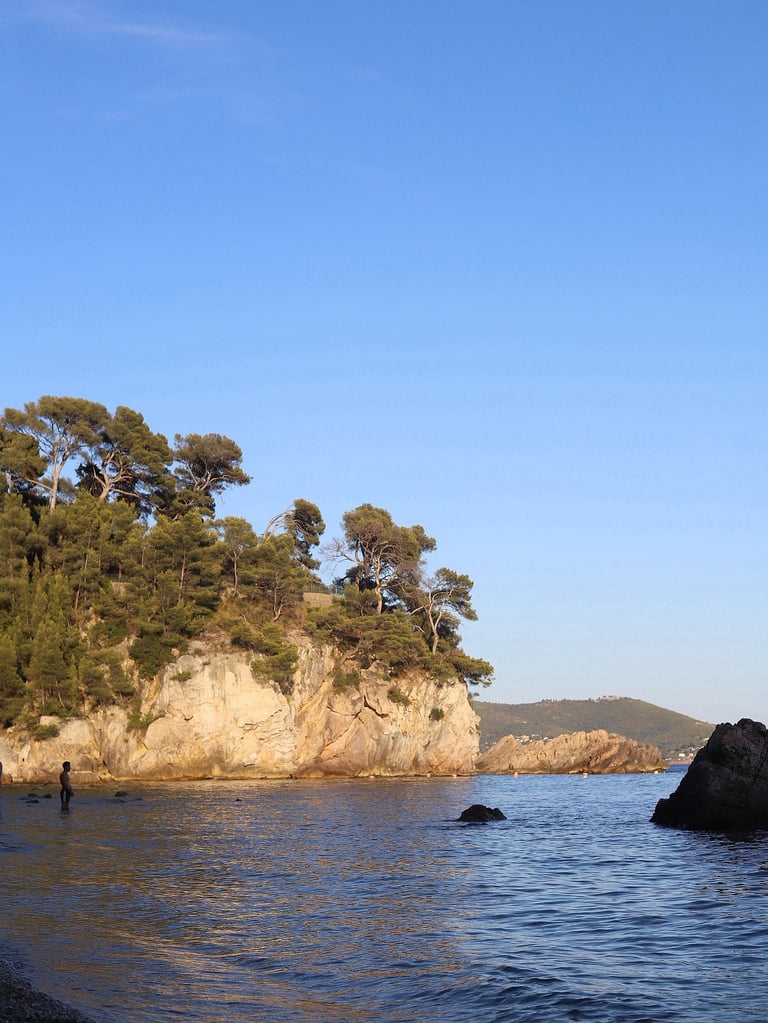
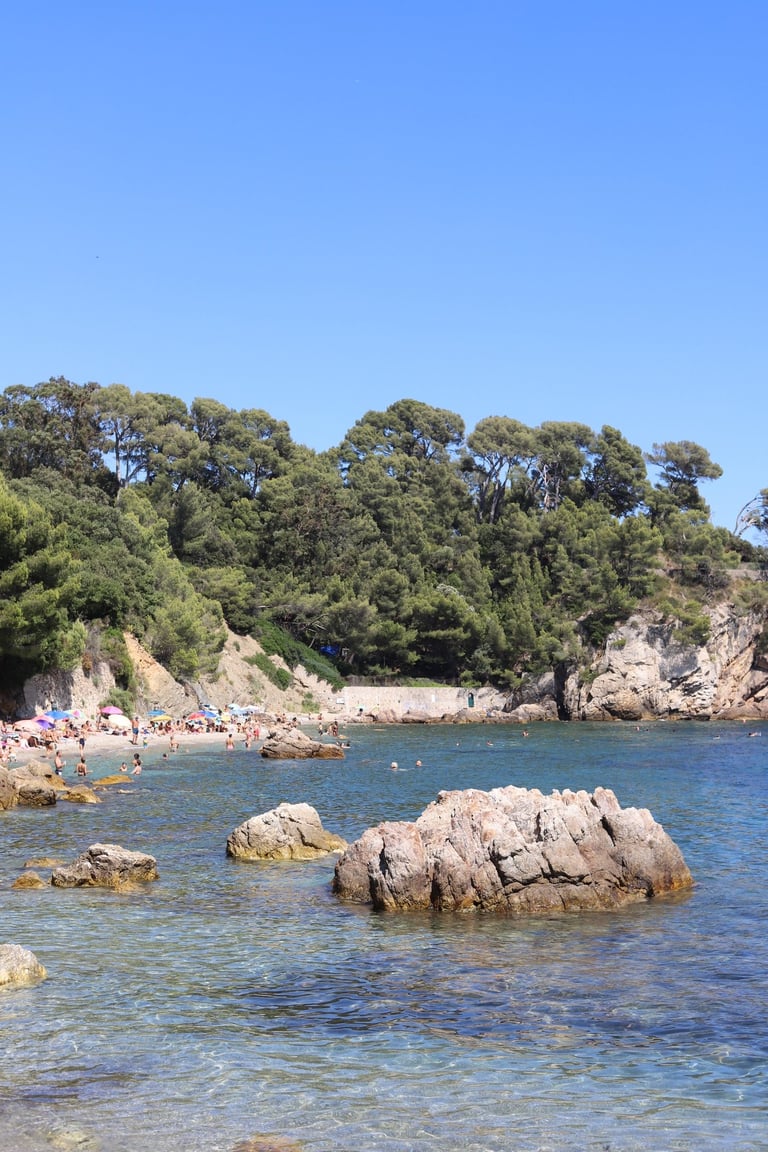
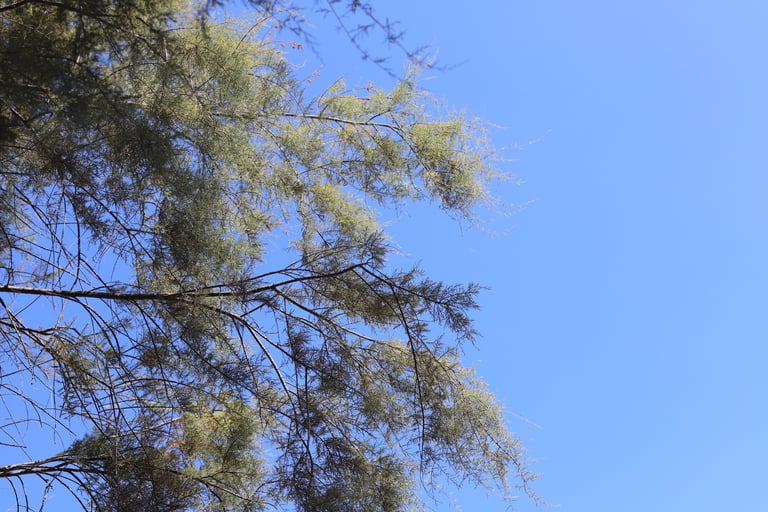
L’Anse Magaud is even better in my opinion, and to be honest we visited it almost every day. With its mix of pebbles and sand and marine life, it’s perfect for spending hours snorkeling. We were lucky enough to spot the tiny little legs of a red starfish! The rocks are also great for diving, and there was always a steady flow of people climbing up to jump in throughout the day. It is surrounded by pine forest that seem to hum with cigales all day long.
There’s even a small restaurant right on the beach, which honestly feels like the most romantic place you could ever eat. We had planned to enjoy a cocktail there on our last night, but hadn’t realized it was closed, so definitely check the opening hours before you go!
Because the beaches are a little harder to reach, they never felt crowded. To access both of them you need to walk down a very steep hill, which is not too bad going down but you definitely feel it on the way up, especially in the heat.
It can get very hot during the day, but the water was sometimes on the cooler side. Compared to many of the crowded beaches on the Côte d’Azur, we felt lucky to have two such lovely, peaceful spots so close by. Both coves are officially listed as remarkable sites of the coastline, and for good reason, they are absolutely gorgeous and some of my favourite beaches I have ever visited.
LA garde
The first time we went to La Garde, our local town, was on a really warm and pleasant evening when we visited a medieval market. This was definitely the busiest we saw the town; after that, it was honestly very quiet.
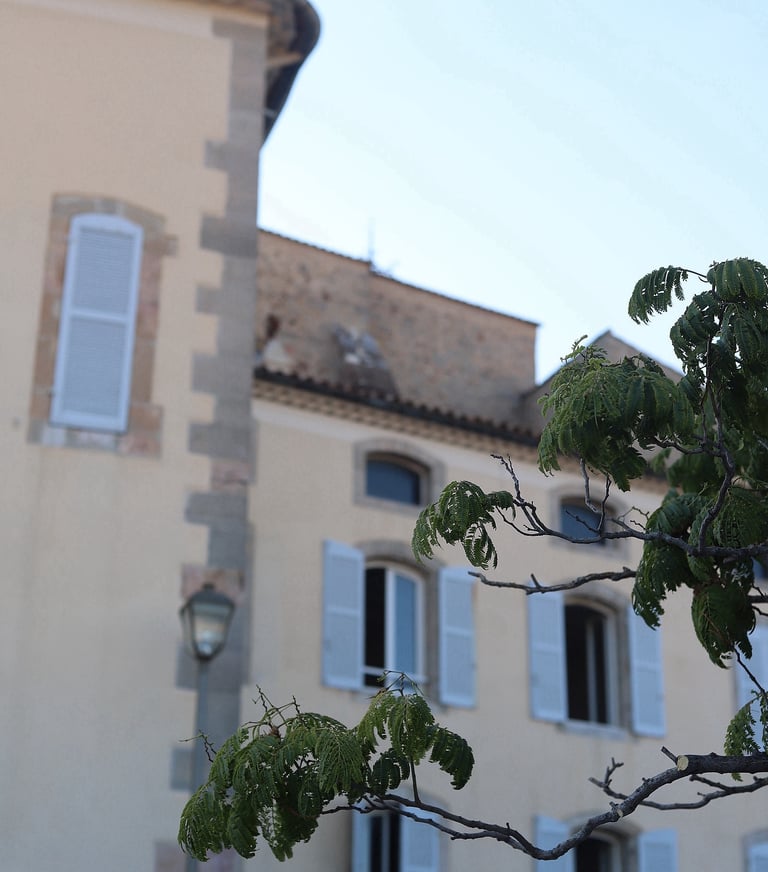
In terms of things to do in La Garde, there is a walking tour available through the old town, which takes you through all the most beautiful streets and up towards viewpoints that open out towards the surrounding hills. In the main square, there are a few lovely cafés where you can sit with a drink and watch everyday life unfold. We spent a nice afternoon here having a coffee and buying a few souvenirs. One particularly nice moment was meeting a local woman who had set up a small book exchange outside her home, where we were able to leave some books behind and browse her collection.
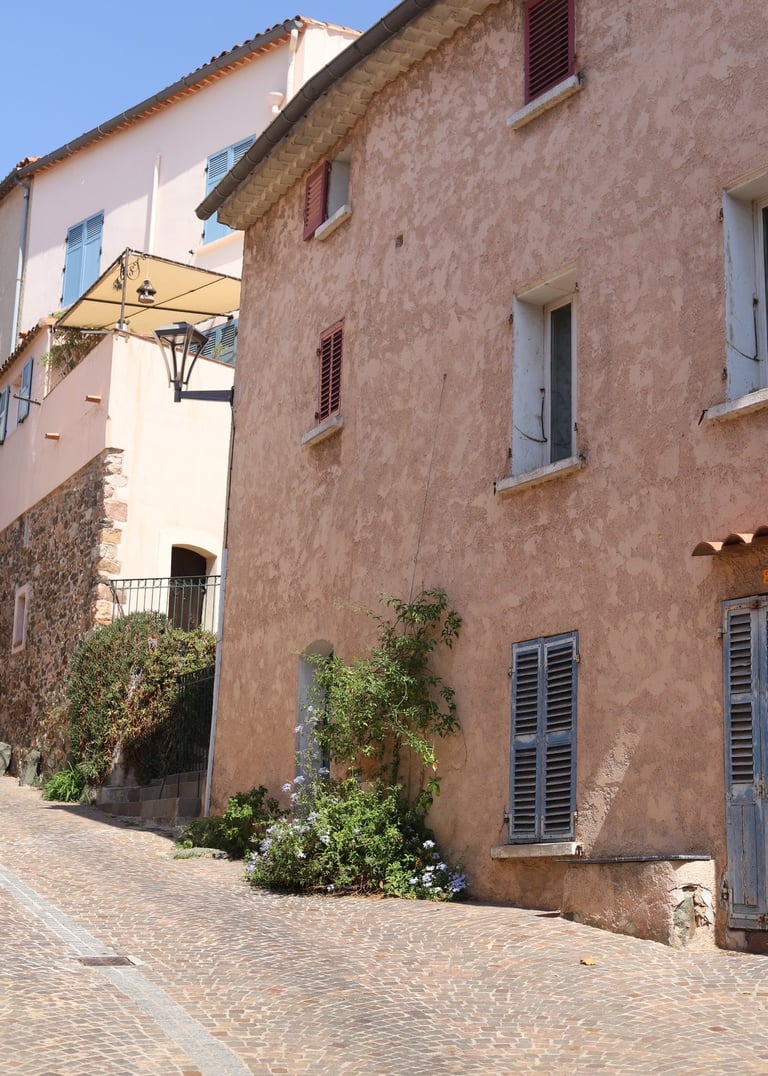
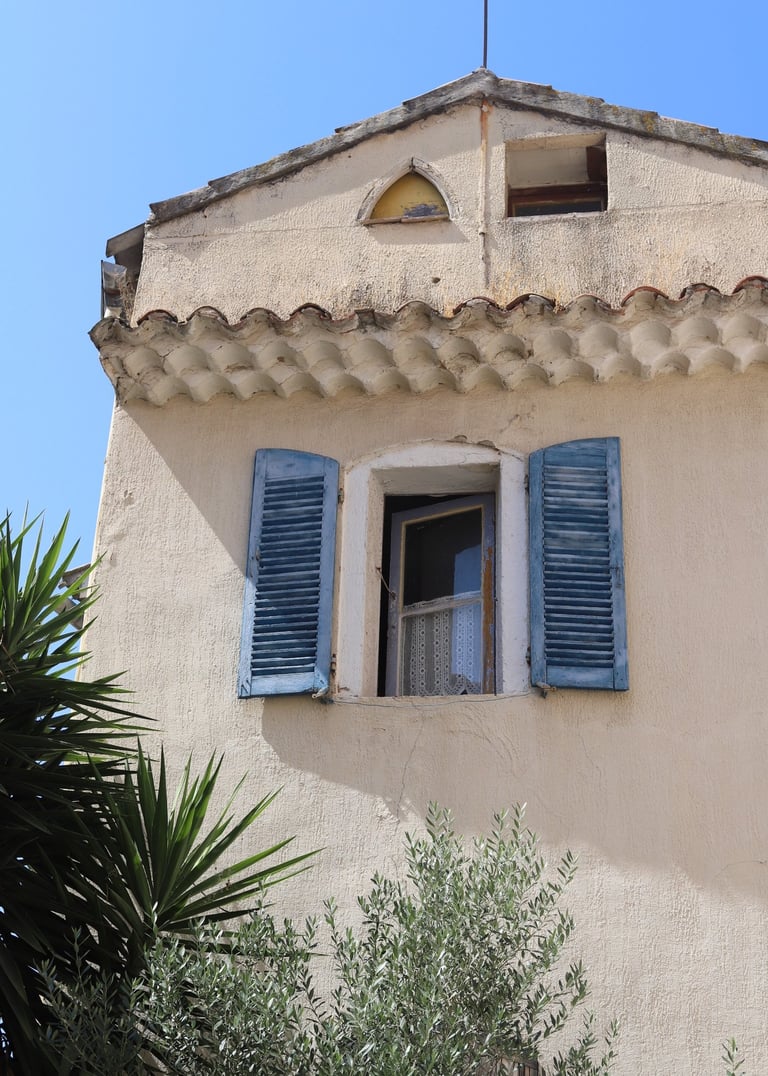


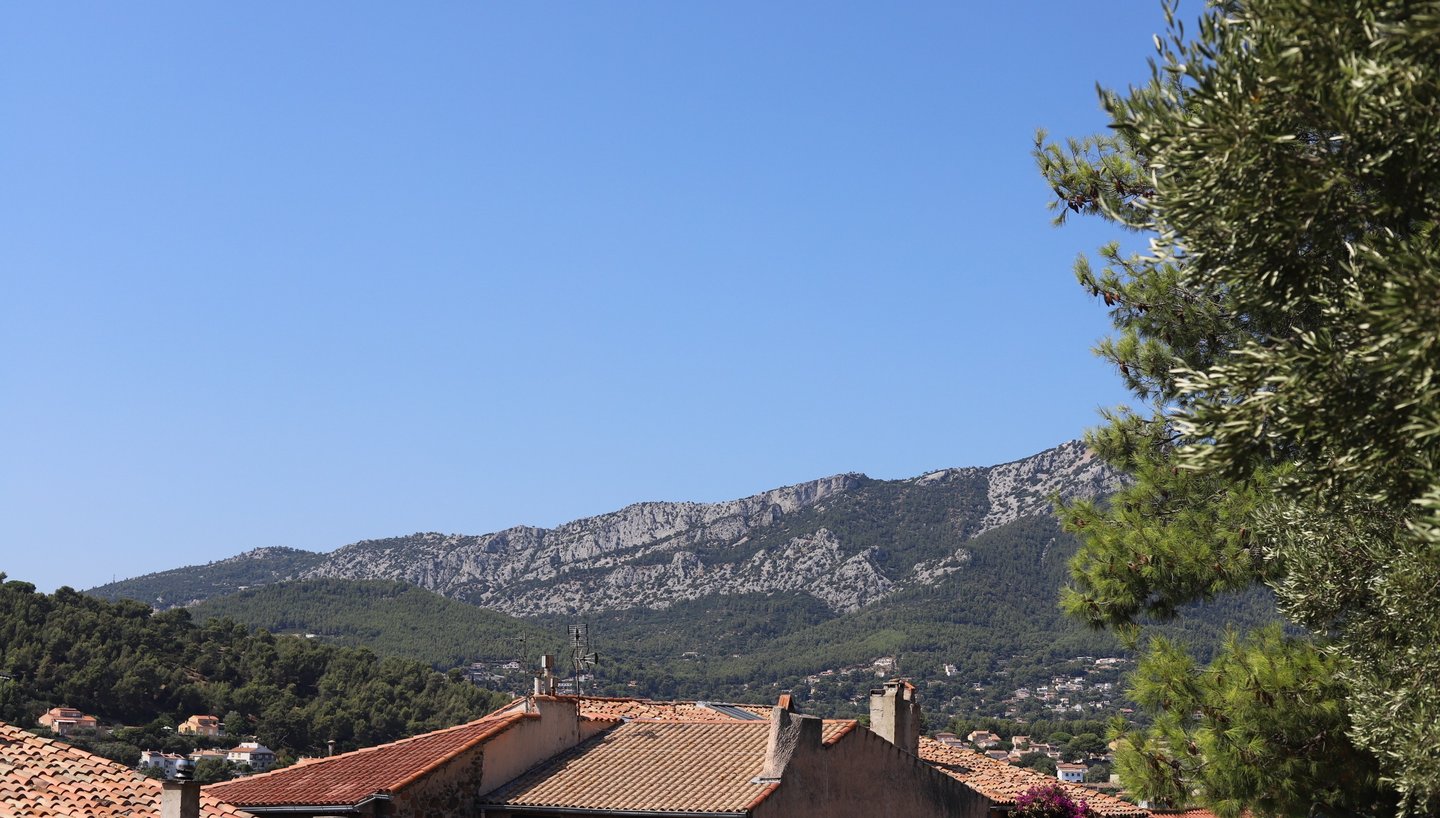
The walking tour in La Garde was one of the highlights of our trip. It takes you through the town's narrow medieval streets, past the old washhouse (le lavoir), the Église de la Nativité, and the remains of the Château de Passis. As you climb up through the old village, you're rewarded with beautiful views over Toulon and the surrounding coastline.


Plage de l'Almanarre
One of the highlights of the area was spending time at Plage de l’Almanarre, a stunning stretch of coastline on the Giens Peninsula near Hyères. The beach runs alongside the “Route du Sel”, a scenic causeway that separates the sea from the old salt marshes, where it’s possible to spot flamingos.


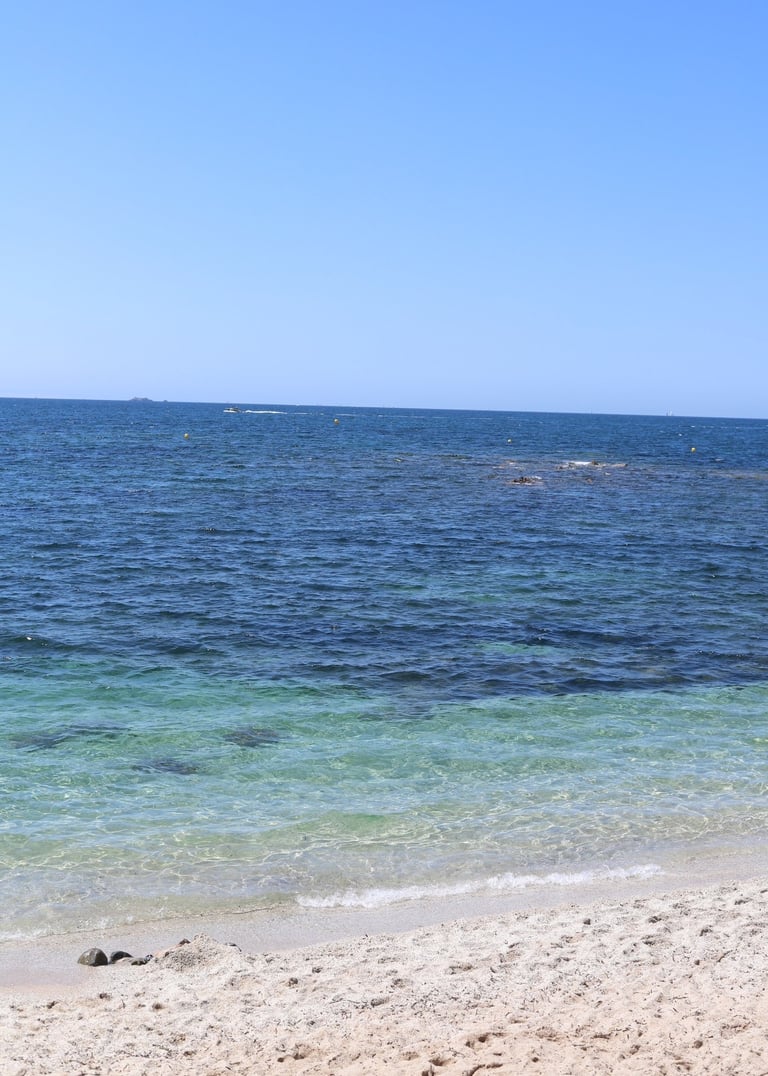
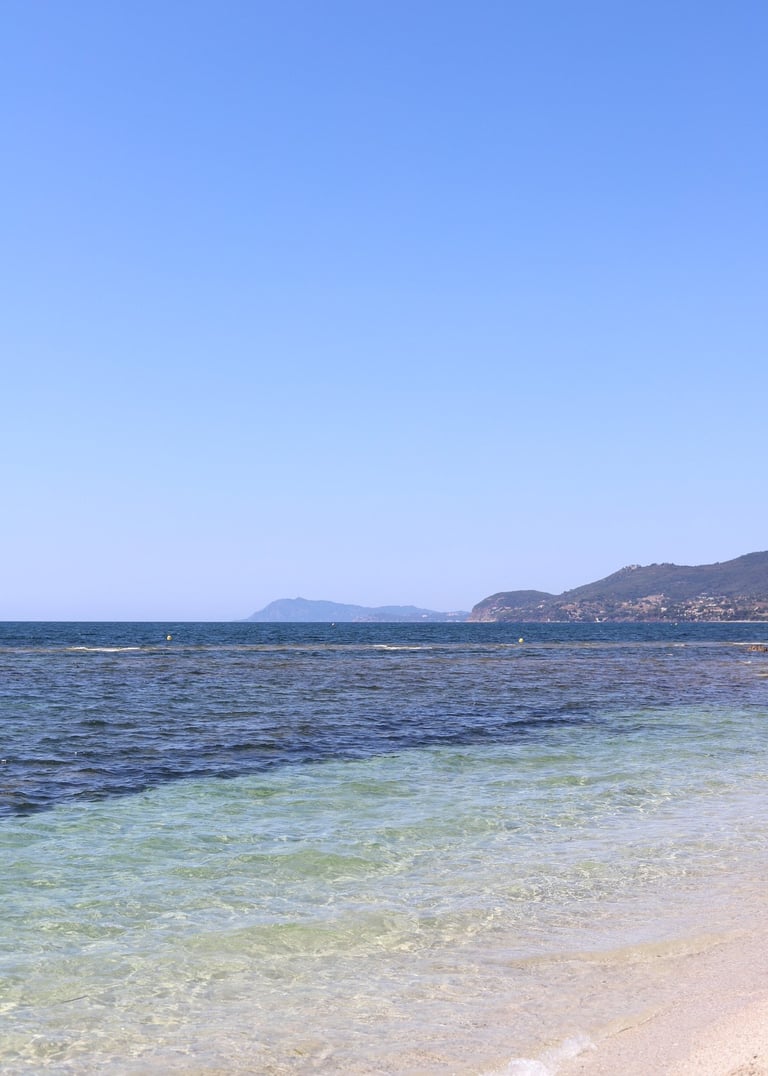
In summer, a small free train runs along the peninsula, which we caught by accident, connecting the beach area to the little town at the tip of Giens, which makes it really easy to explore without a car. The landscape here is quite unique, with shallow turquoise waters on one side and protected wetlands on the other, and the area is also well known for salt production history.


Here is a picture or two from the train to Giens. It is also worth noting that near here you can catch the ferry to the Porquerolles islands. We didn’t go because it was just too hot, too busy, and too expensive. However, we did come across a copy of Les Amants de Porquerolles in the window of a local bookshop and decided to order it. We were then fortunate enough to meet the author, Olivier Aubert, a French journalist, communication consultant, and writer, who kindly signed our copy for us.

HYeres
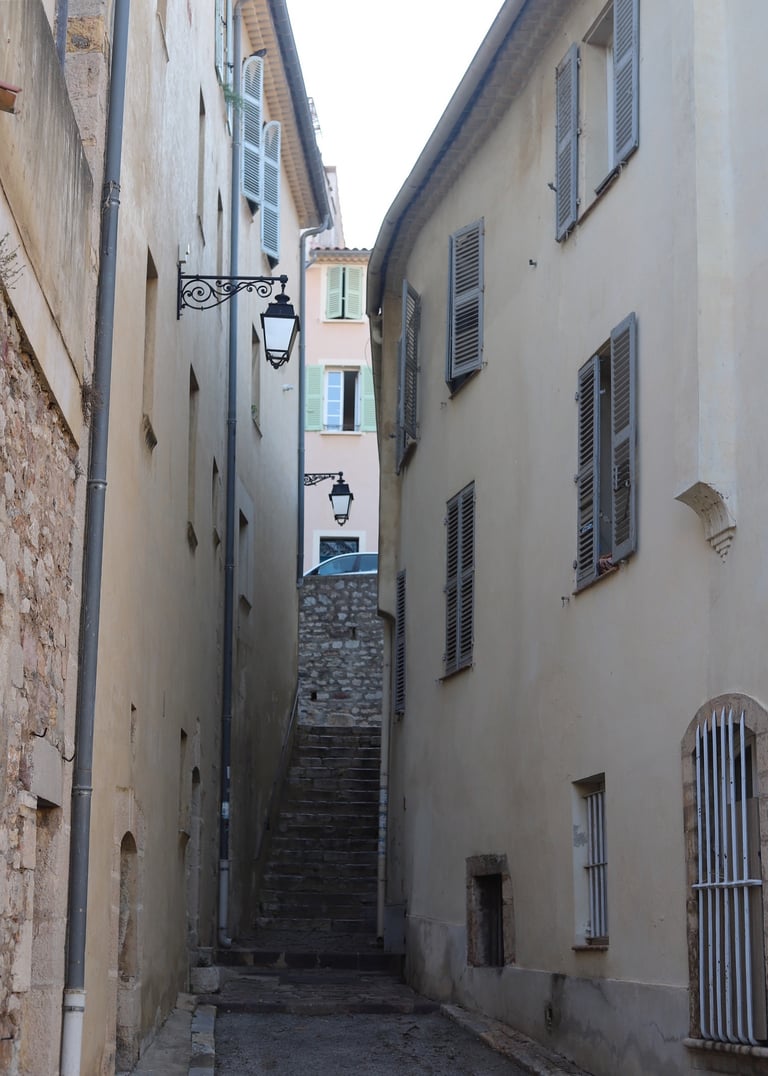
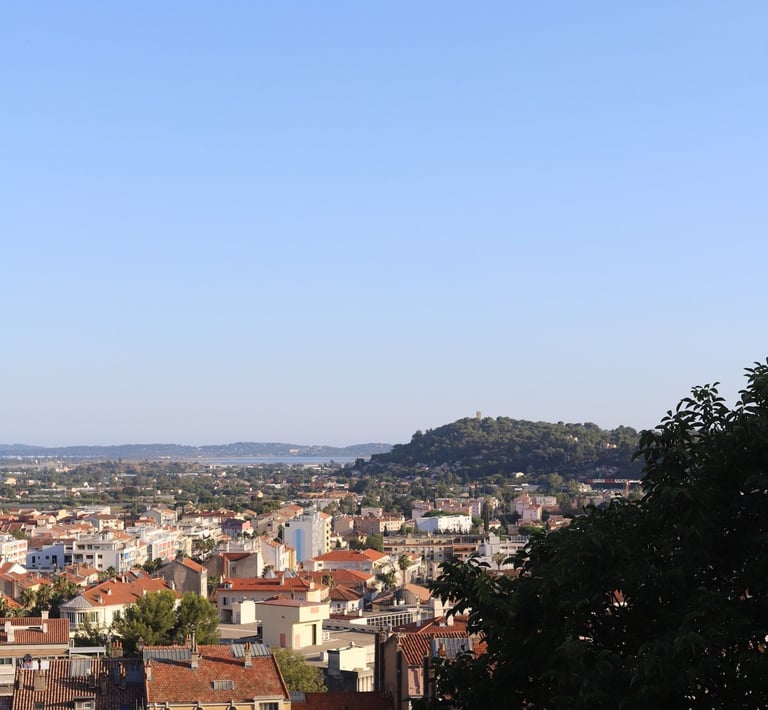
A short bus ride up the mountains lies Hyères, a historic coastal town. It is considered one of the oldest seaside resorts on the Côte d’Azur and has long attracted visitors drawn to its climate, palm-lined streets and relaxed atmosphere. The town's medieval past is clear to see with narrow winding lanes, ancient gateways and the ruins of a castle that sits at the very top.
Hyères has a strong association with horticulture and exotic plants. Thanks to its particularly mild climate, it became a centre for palm cultivation, earning it the nickname “the town of palms.” It also has a long history linked to salt production and coastal trade, which helped shape both its economy and surrounding landscapes over the centuries.
We spent a lovely afternoon in Hyères, enjoying an ice cream and strolling through the charming streets of the old town. There are plenty of cafés and restaurants for visitors, particularly around Place Massillon, the picturesque central square overlooked by the Église Saint-Paul. If you continue walking to the very top of the old town, you'll reach the Castel Sainte-Claire gardens, where, just outside, you can enjoy a beautiful panoramic view over the coastline and the rooftops of Hyères below.
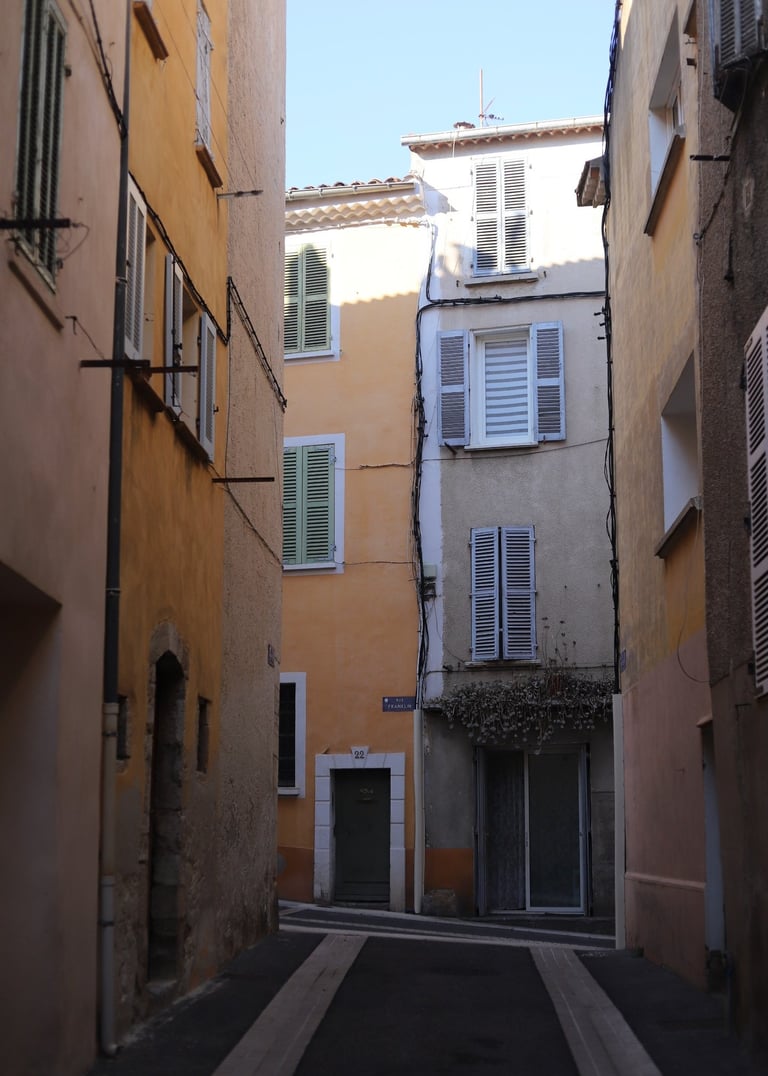
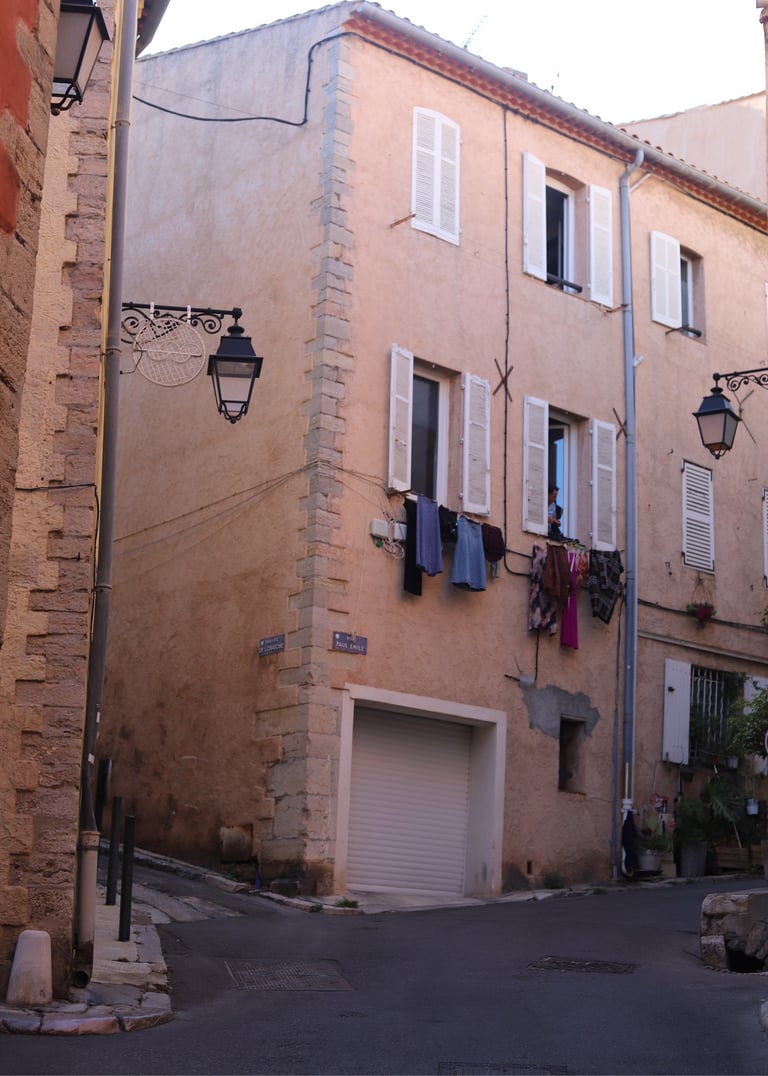
Hyères, and many of the places we visited across the region, were full of traditional restaurants serving classic Provençal dishes. Menus often featured local specialities such as bouillabaisse (a rich seafood stew), daube provençale (slow-cooked beef in red wine), aïoli served with fish and vegetables and moules marinières (mussels cooked with white wine and garlic),
Vegetarian and vegan dishes such as ratatouille, soupe au pistou, vegetable tarts, salads and pizzas were all fairly common, but the widest range of fully vegan options was generally found in dedicated vegan and vegetarian restaurants, which are becoming increasingly common across the region. As a result, we made all our meals back at our apartment but definitely made the most of all the local produce.
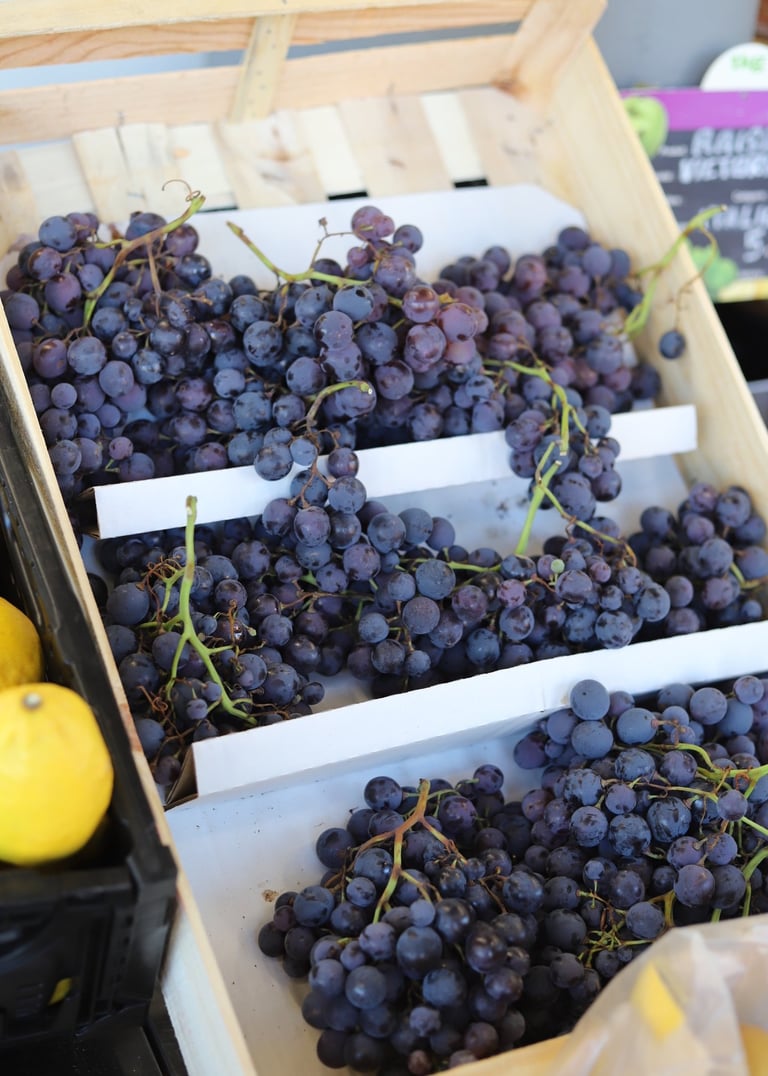
We found some brilliant products in the local supermarkets, including a bottle of Cassis liquor for just five euros, vegan chocolate mousse, and an abundance of fresh seasonal fruit and vegetables. We cooked simple meals such as lentils, fried potatoes with courgettes, fresh tomato salads and different kinds of pasta. In true Mediterranean style, we used olive oil in almost everything we made and somehow managed to get through an entire bottle in just ten days..my gosh.
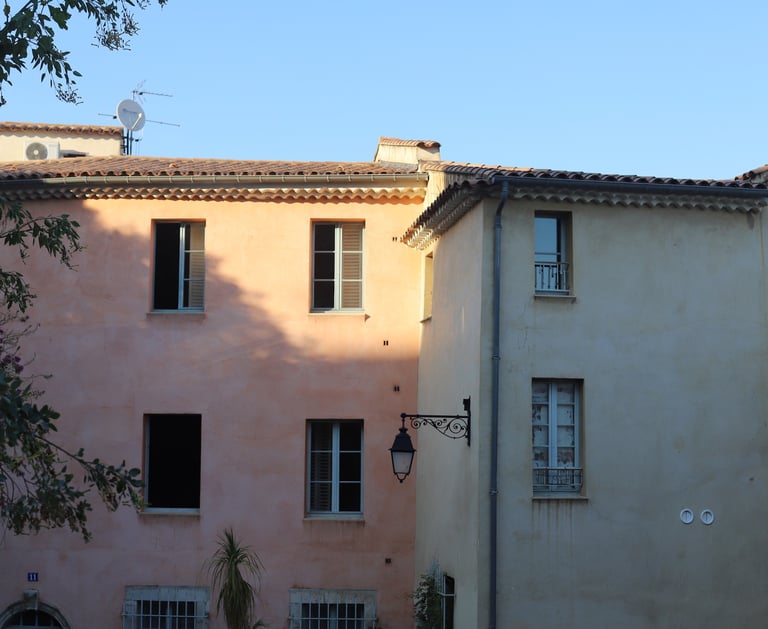
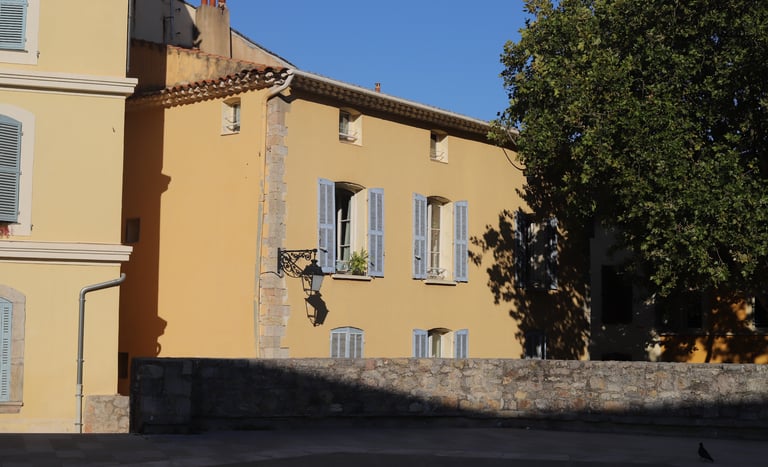
Le Pradet
Le Pradet is a small coastal town between Toulon and Hyères, known for its laid-back atmosphere and some of the most beautiful, unspoilt beaches in the area. The coastline is dotted with rocky coves, clear turquoise water and sandy stretches framed by pine trees, making it an ideal place for calmer days by the sea.
The town has a lovely central square, attractive gardens and a charming old centre, which hosts a packed programme of events throughout the summer. We visited mainly for its spectacular beaches, which were absolutely stunning. Here are a few favourites.
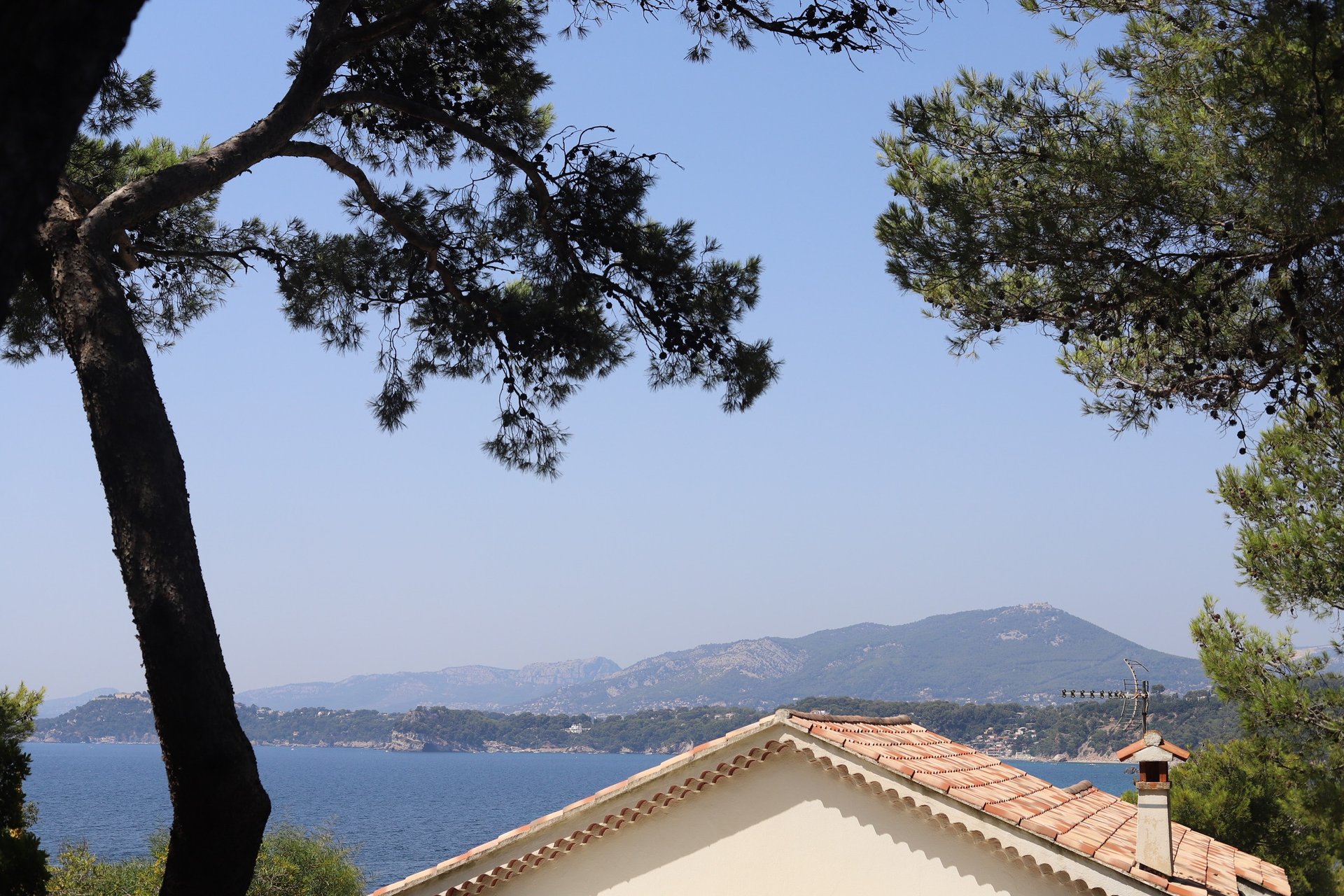


Plage de la Garonne is a small, relaxed beach known for its clear turquoise water, gentle atmosphere, and mix of pebbles and sand. Framed by rocky coves and a pretty harbour, it feels more local and low-key than many nearby Riviera spots, making it especially appealing for quiet swimming or a slow seaside walk.
Plage de la Garonne
_______________________________________________________________________________________________________________________________________________________


Plage des Oursinières is a small, sheltered cove beach on the edge of Le Pradet, characterised by its calm, clear water and picturesque fishing harbour. Set against a backdrop of rocky coastline and pine-covered hills, it has a distinctly local feel and is popular for swimming, snorkelling, and watching boats drift in and out of the port. Despite its beauty, it tends to stay relatively quiet, especially outside the height of summer, making it a peaceful spot to enjoy the Mediterranean in a more natural setting.
Plage des Oursinières
_______________________________________________________________________________________________________________________________________________________


Plage du Monaco is actually a longer stretch of coastline rather than just a small cove, with a more varied character along its length. Parts of the beach are more open and frequented by swimmers and walkers, while other quieter sections—set further along the rocky shoreline—are known informally for naturist use. The setting remains very natural throughout, with a mix of pebbles, clear water, and pine-covered backdrop, and it tends to feel spacious and less structured than many nearby beaches, especially outside peak summer periods.
Plage du Monaco
_______________________________________________________________________________________________________________________________________________________
We walked around and visited the beaches, and along the way we met a couple in their 60s enjoying a picnic by the sea, who loved Spain and felt weirdly felt like an older version of us. It was extremely hot, and after several hours in the sun we found a small balcony to sit on, had two lemon granitas, and looked out over the sea, before leaving to see the final beach of the day.
Toulon
Toulon is a port city in the south of France, set between the sea and surrounding hills. It is a really beautiful place to walk around, full of museums, nice squares, cafes, restaurants and a larger number of shops than the other places we visited. We spent a couple of lovely evenings in Toulon, which is really easy to get to, and enjoyed our first glass of pastis, an anise-flavoured aperitif that is very typical of the south of France, and very refreshing in the heat.
One of the highlights of the whole trip was attending the annual jazz festival, set in the harbour part of the city where families gather along the seafront, children play in the open spaces, and people stroll by walking their dogs and just chatting with eachother. We saw Joshua Redman, an American jazz singer, perform a few songs from his new album. The atmosphere was just amazing and the very best song was called “Borrowed Eyes”.
Overall, it was an amazing trip shared with my husband, filled with plenty of long walks and memorable moments and a lot of watching French TV until the early hours. If you are planning a trip to Toulon these were our very favourite places we saw, if we had to pick just a few:
Historic walk in La Garde: A historic walk through La Garde, exploring its old streets and medieval atmosphere.
Plage des Oursinières: Time at Plage des Oursinières, with its charming harbour and peaceful coastal setting.
Plage du Monaco:Swimming and relaxing at Plage du Monaco, surrounded by pine trees and rocky coves.
Plage de l’Anse Magaud:A visit to Plage de l’Anse Magaud, a beautiful, more secluded spot with clear water.
Free coastal train to Giens: Taking the free little train along the coast towards the Giens area, enjoying the views along the way.
Jazz festival in Toulon: The jazz festival in Toulon, including an unforgettable performance by Joshua Redman and evenings by the lively seafront.
Explore
About
Travels
Food
Lifestyle
© 2026 Beside the Mediterranean
Socials
Instagram
Pinterest
Legal
Privacy Policy
Cookie Policy
Beside the Mediterranean