How Orthodox Fasting Shapes Plant-Based Eating Across the Mediterranean
How Orthodox Fasting Shapes Plant-Based Eating Across the Mediterranean
Across much of the Mediterranean, plant-based eating is not only a modern dietary preference but also a deeply rooted cultural and religious practice. In Orthodox Christian communities in Greece, Cyprus, parts of the Balkans, and the Eastern Mediterranean, fasting periods have long shaped how people eat throughout the year. During these times, large parts of the population follow a diet that is either fully vegan or very close to it, not as a trend, but as part of a centuries-old spiritual tradition.

Orthodox fasting is centred on simplicity, discipline, and reflection. It is not only about abstaining from certain foods, but about adopting a more restrained way of eating. The most important fasting periods include Great Lent before Easter, the Nativity Fast before Christmas, and a number of shorter fasts throughout the year, including regular fasting days such as Wednesdays and Fridays in many traditions. Depending on the strictness of the fast, meat, dairy, eggs, fish, and sometimes even olive oil and wine are avoided. This naturally shifts meals toward vegetables, legumes, grains, nuts, fruit, and bread.
These restrictions have had a lasting influence on Mediterranean food culture. Over generations, communities developed an incredibly rich repertoire of plant-based dishes that are not seen as “alternatives” but as traditional staples. Simple meals such as lentil soups, chickpea stews, bean dishes, and olive oil-based salads become central during fasting periods. Stuffed vegetables, herb-rich rice dishes, and seasonal greens are also common, showing how diverse and satisfying this way of eating can be.

Fasting periods are also closely connected to the agricultural rhythms of the region. The Mediterranean climate, with its long growing seasons and abundance of fresh produce, has always made it easy to rely on vegetables, pulses, and grains. Historically, fasting often aligned with times when animal products were less available or more expensive, meaning that plant-based meals were both spiritually meaningful and practically necessary. This connection between faith, land, and seasonality helped embed these dishes deeply into local culinary identity.


In Greece, for example, many of the most iconic everyday dishes are naturally plant-based or easily adapted for fasting. Meals like fasolada (bean soup), revithia (chickpea stew), and horta (wild greens) are not niche or modern inventions but long-standing elements of home cooking. Similar traditions exist across Cyprus and the Balkans, where vegetable-based stews, breads, olives, and legumes form the backbone of everyday meals, especially during fasting periods.


Importantly, Orthodox fasting has helped preserve a food culture where vegetables are not treated as a side dish, but as the centre of the plate. Olive oil, herbs, lemon, garlic, and seasonal produce are used to create deeply flavourful dishes without relying on animal products. This has resulted in a cuisine that is naturally aligned with many principles of modern plant-based eating, even though it developed long before those terms existed.
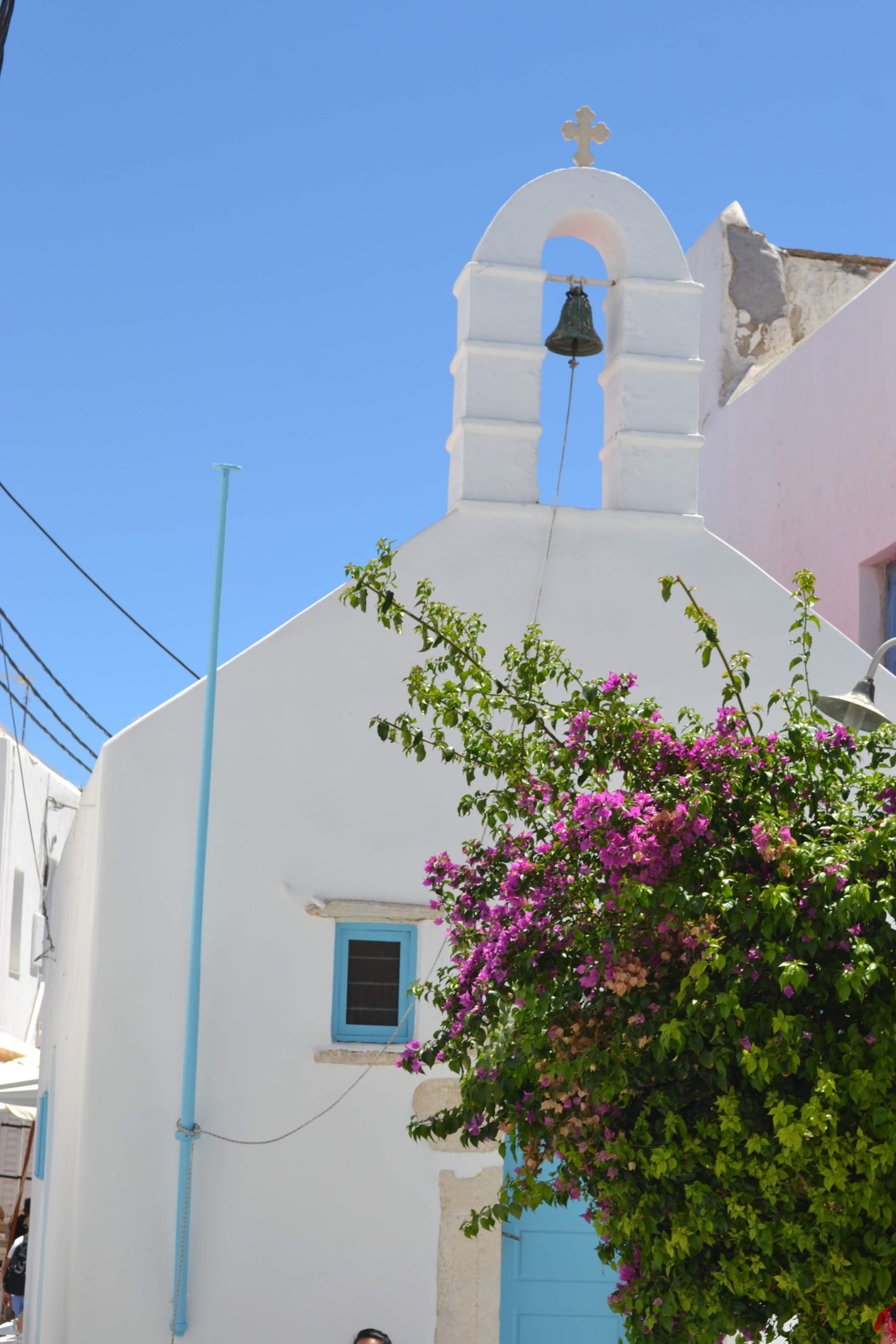
Today, while fewer people may observe strict fasting in the same way, the culinary legacy remains strong. Many traditional dishes eaten across the Mediterranean are still naturally vegan or easily adapted, reflecting centuries of religious practice and regional resourcefulness. What is often seen today as a “plant-based lifestyle” is, in many parts of the Mediterranean, simply part of cultural heritage and seasonal rhythm — quietly shaping one of the world’s most enduring food traditions.
Explore
About
Travels
Food
Lifestyle
© 2026 Beside the Mediterranean
Socials
Instagram
Pinterest
Legal
Privacy Policy
Cookie Policy
Beside the Mediterranean