Late Summer in Menorca
Late Summer in Menorca


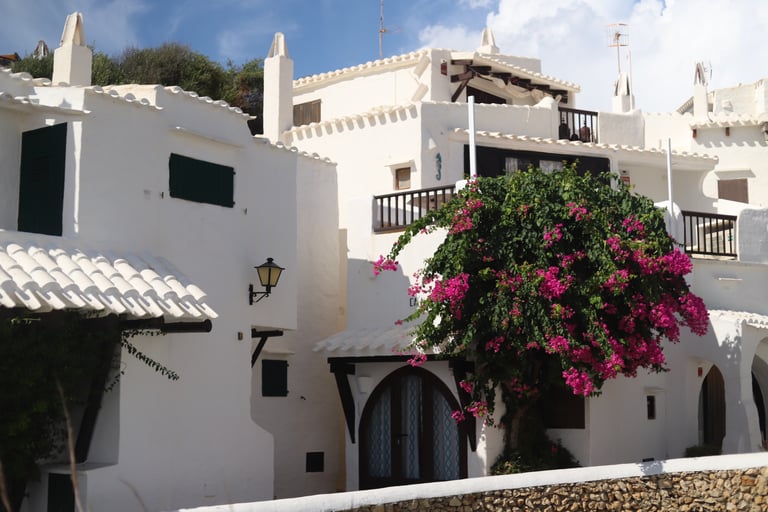
Bougainvillea in the beautiful town of Binibeca.
What better place to spend the last warm days of summer than on the beautiful Balearic island of Menorca? Just an hour’s drive from end to end, Menorca is far less touristy and much quieter than neighbouring Mallorca and Ibiza. With fewer crowds, the island feels much more relaxed and it truly is just as beautiful as the other Balearic islands, maybe even more.
_____________________________________________________________________________________________________________________________________
Menorca is a small island in the Balearic Islands, which belongs to Spain and is located in the Mediterranean Sea. It’s known for its calm atmosphere, clear turquoise waters, and relaxed pace. The island has many beautiful beaches, quiet coves, and traditional towns with whitewashed buildings. It’s also a popular destination for walking routes and nature lovers, as much of Menorca is protected countryside.
The island also has a long and interesting history. It was influenced by several different cultures over the centuries, including the Romans, Moors, and the British, who controlled it for parts of the 18th century. This mix of influences can still be seen today in its architecture, especially in towns like Ciutadella de Menorca and Mahón, the island’s capital. Menorca is also famous for its prehistoric stone monuments called talayots, which date back thousands of years. In 1993, UNESCO declared the island a Biosphere Reserve because of its rich natural environment and commitment to protecting it.
During our one week stay, we had the chance to explore some of Menorca's towns, beaches, and cultural landmarks, The best part? I was able to share the whole experience with my parents and my sister. Here’s what we discovered and a few of our favourite places we would recommend visiting.
Menorcan Homes
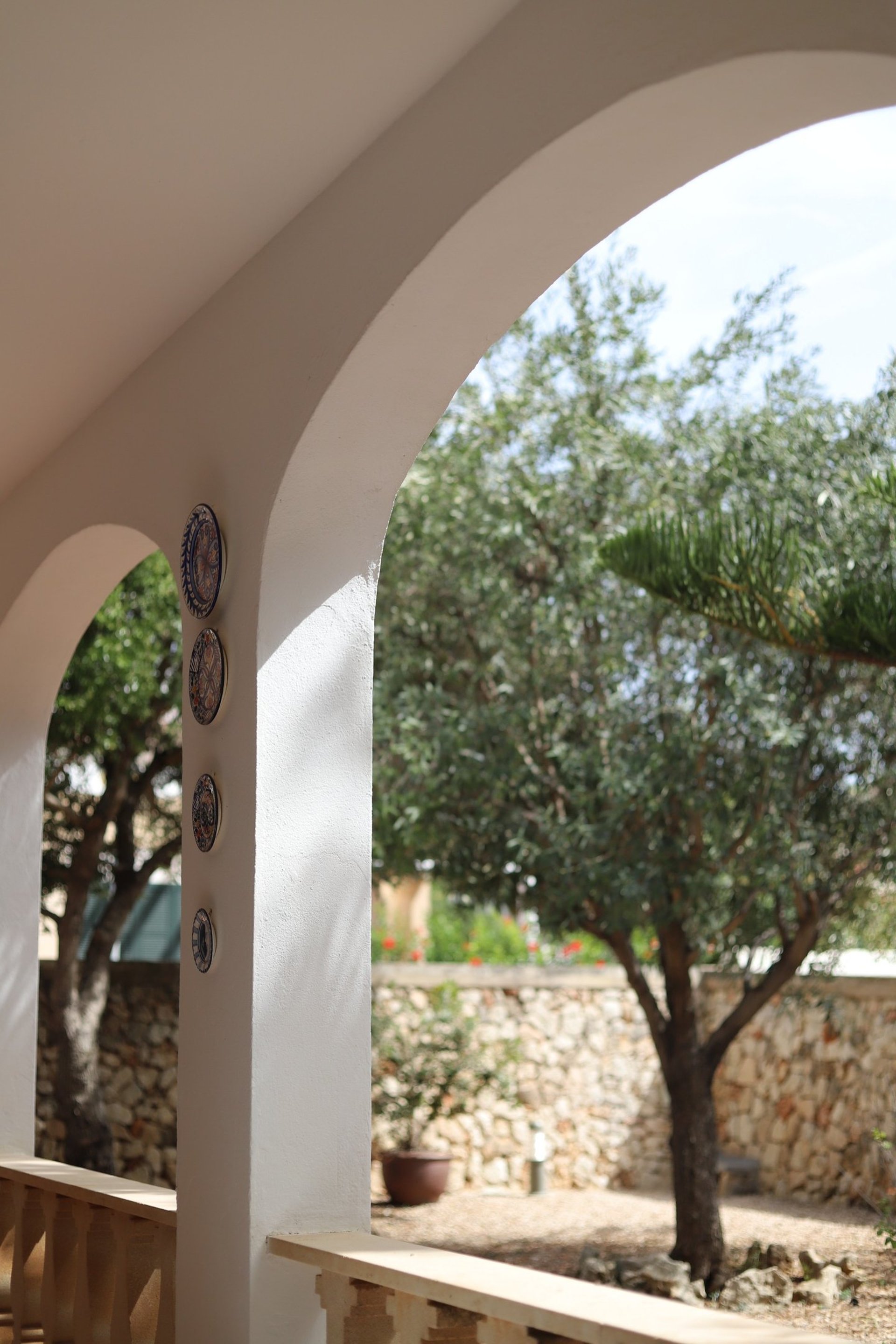
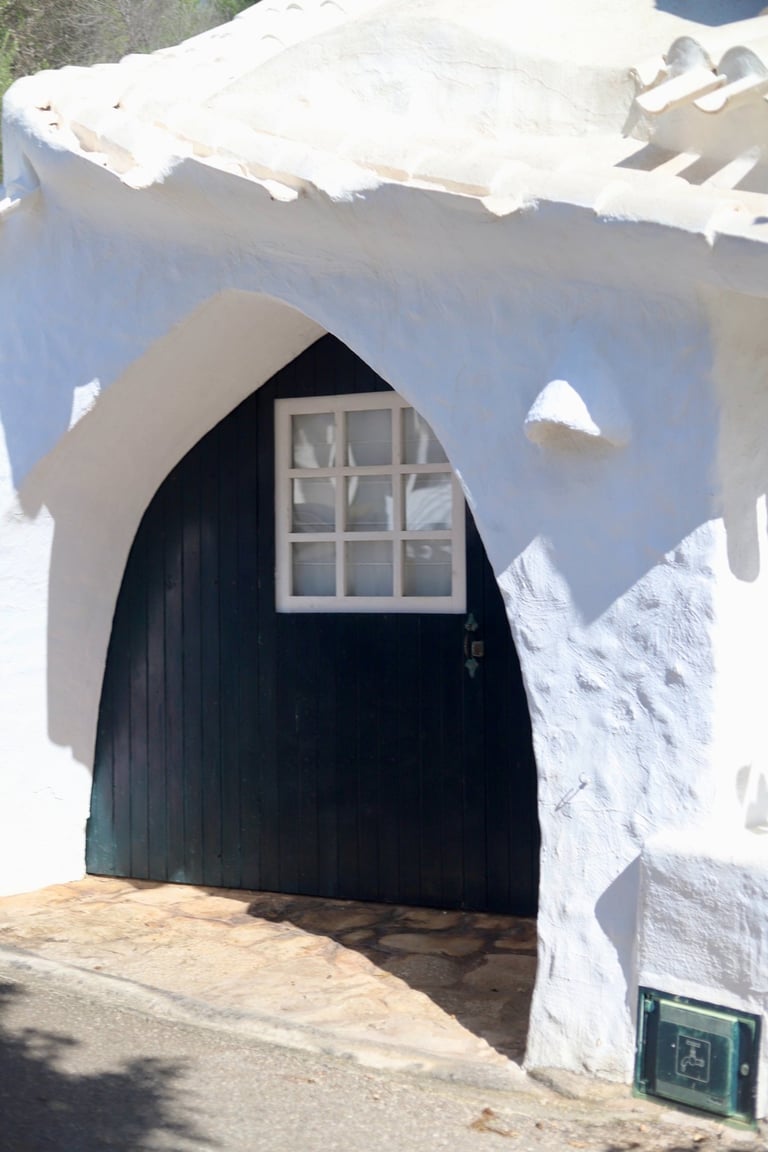
The island is full of traditional white houses, home to both locals and welcoming visitors. At times, it felt as though we were in Greece, surrounded by whitewashed buildings scattered across the landscape. The houses are usually painted white with terracotta roofs, and many have olive trees, hibiscus, or other Mediterranean plants growing around them. A lot of properties also have the distinctive Menorcan gate, which has a unique shape that crops up everywhere on the island like on t-shirts and other items in tourist shops.
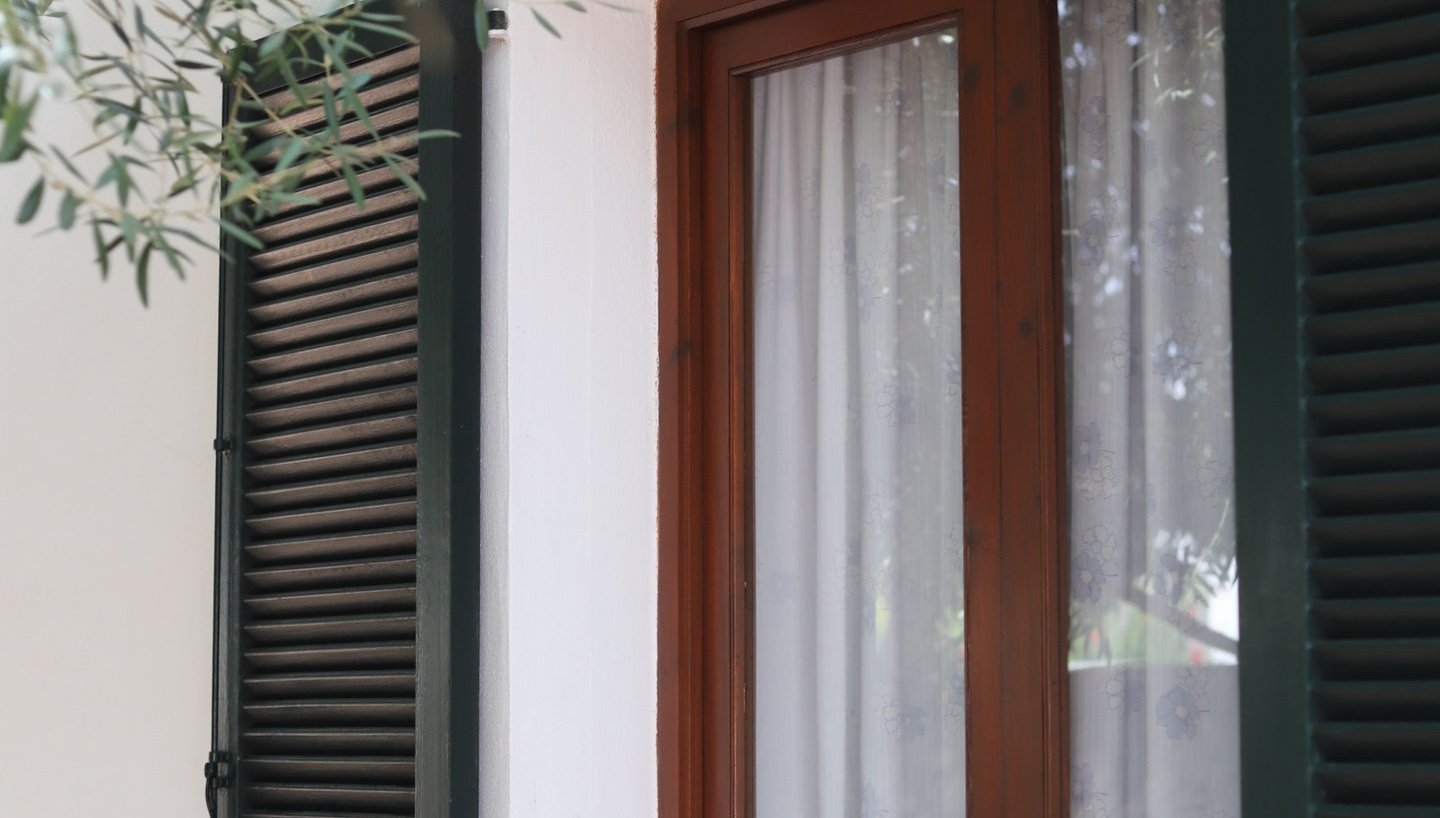
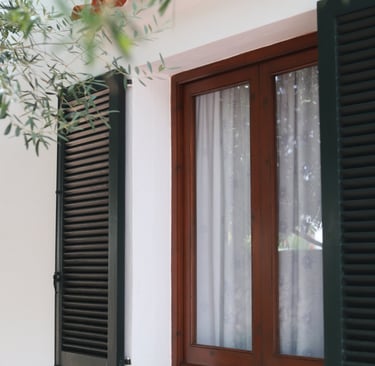
We stayed in an absolutely lovely house in Cala Blanca, complete with lovely paintings of the sea, plenty of entertainment including a ping-pong table and a pool table as well as a small swimming pool which was a real luxury to be honest.
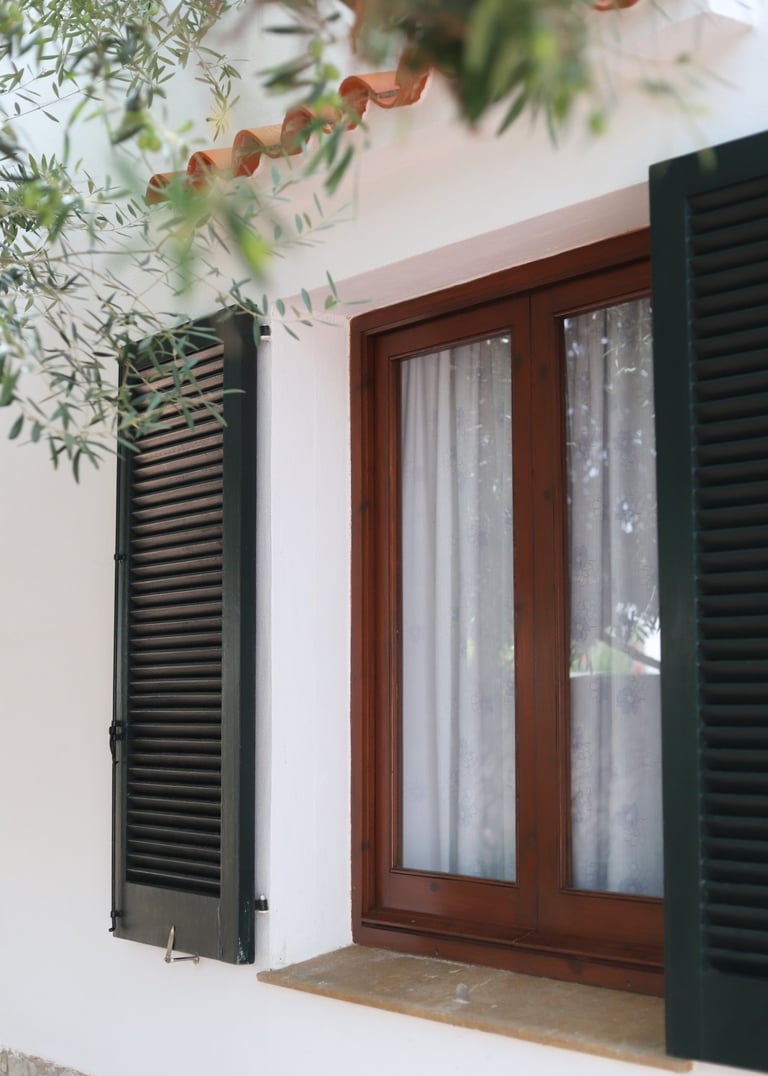


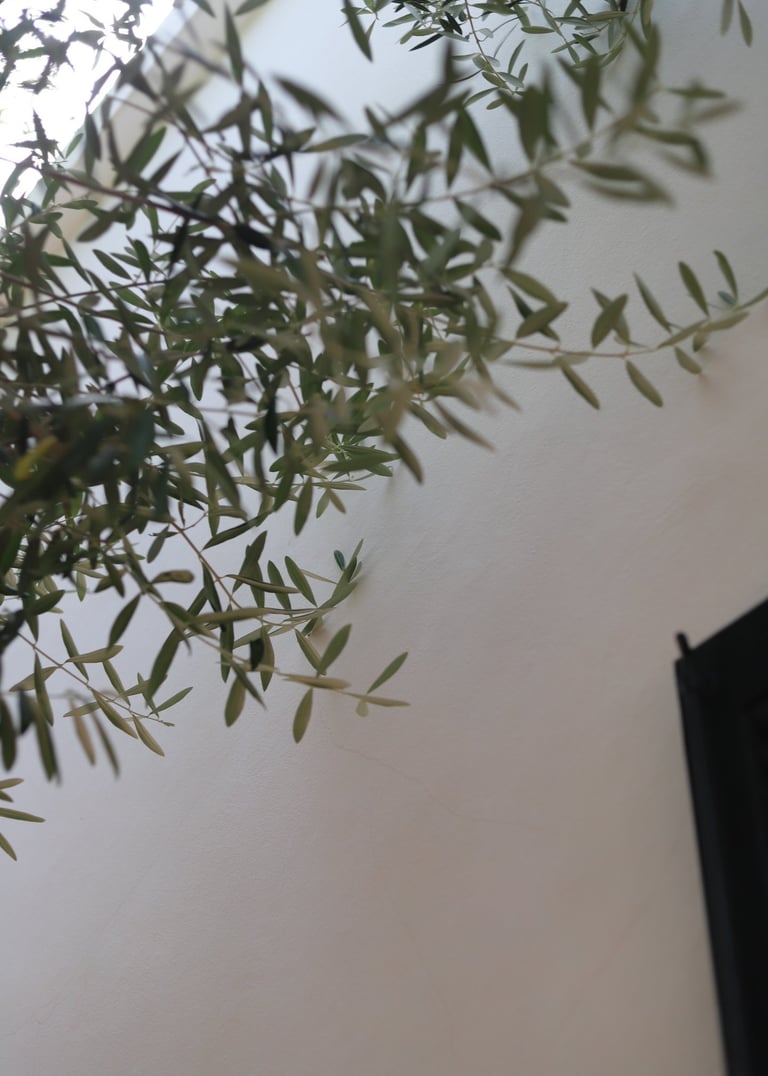
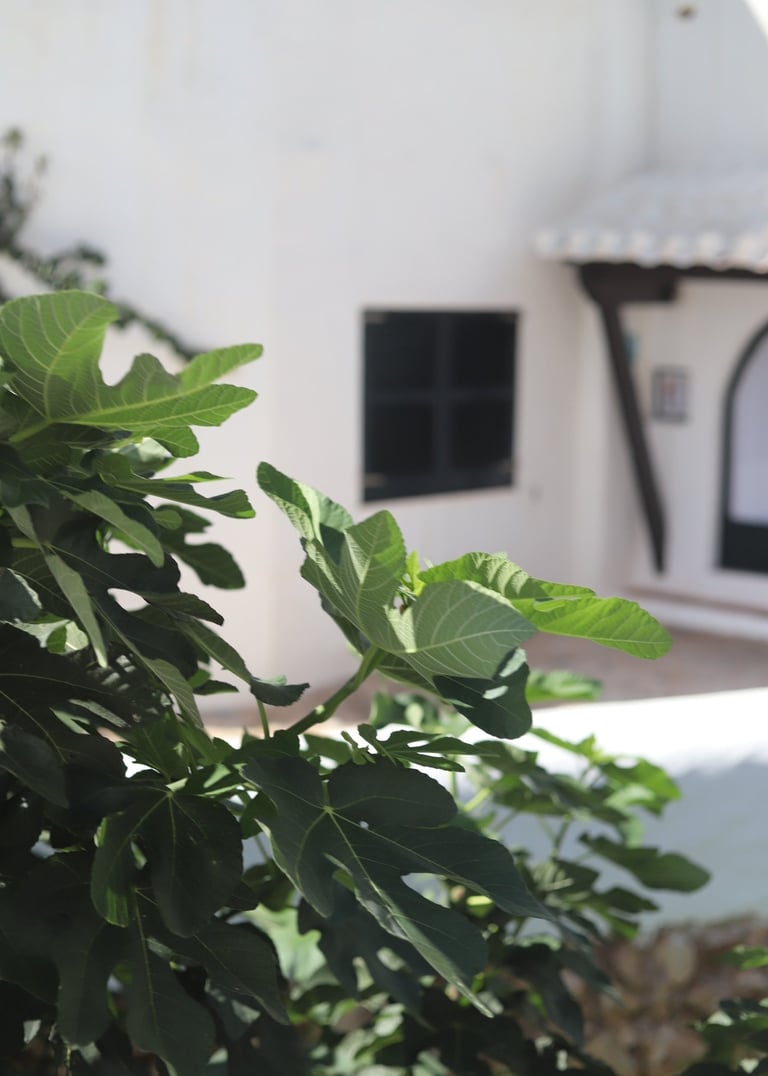
One of the things that really stood out to me in Menorca was the vegetation. Our garden had olive trees, rubber trees and the streets were lined with bougainvillea and hibiscus. These plants add splashes of colour across the island and look especially beautiful with all the white buidlings and greenery of the countryside.


We spent most of our days out exploring the island and occasionally spent a morning or afternoon at home, as the weather in Menorca can be a little bit unpredictable and we had some cloudier days and rain. Apparently the best times of year to go are May to June or September, when the weather is warm and sunny without the intense heat of July and August, and the beaches are quieter too.
Cala Blanca
We stayed near Cala Blanca on the island's south-west coast. The cala itself is lovely with calm turquoise waters, framed by low pine-covered cliffs. It is a really great spot for swimming and snorkelling. There are some great cafes and restaurants nearby, so you can look at the sea while eating your lunch! It is a nice neighbourhood to stroll around, with another long strip of restaurants and bars just away from the main cove. It is also very close to Ciutadella and a great base for exploring the island.


sUNSETS IN mENORCA
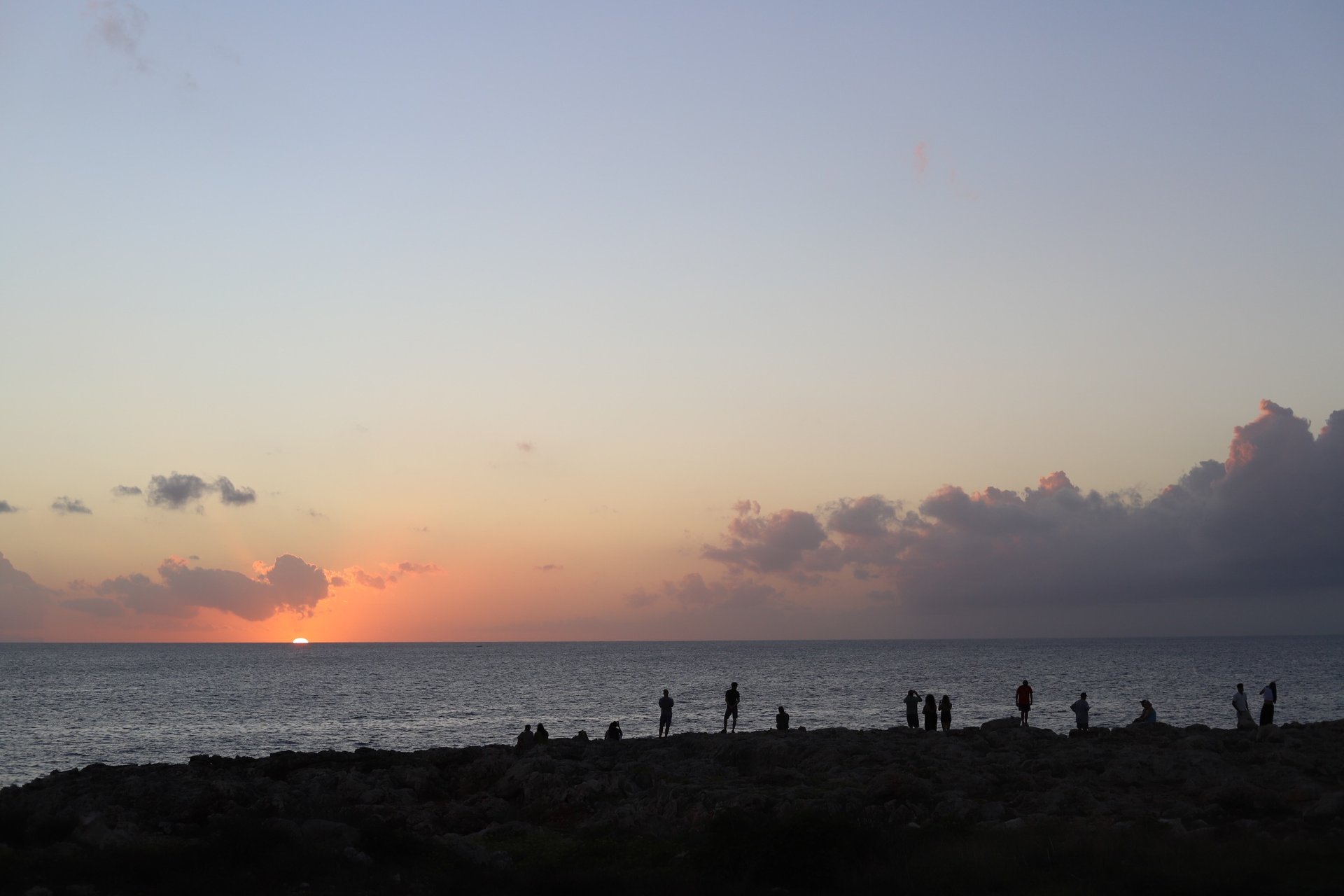
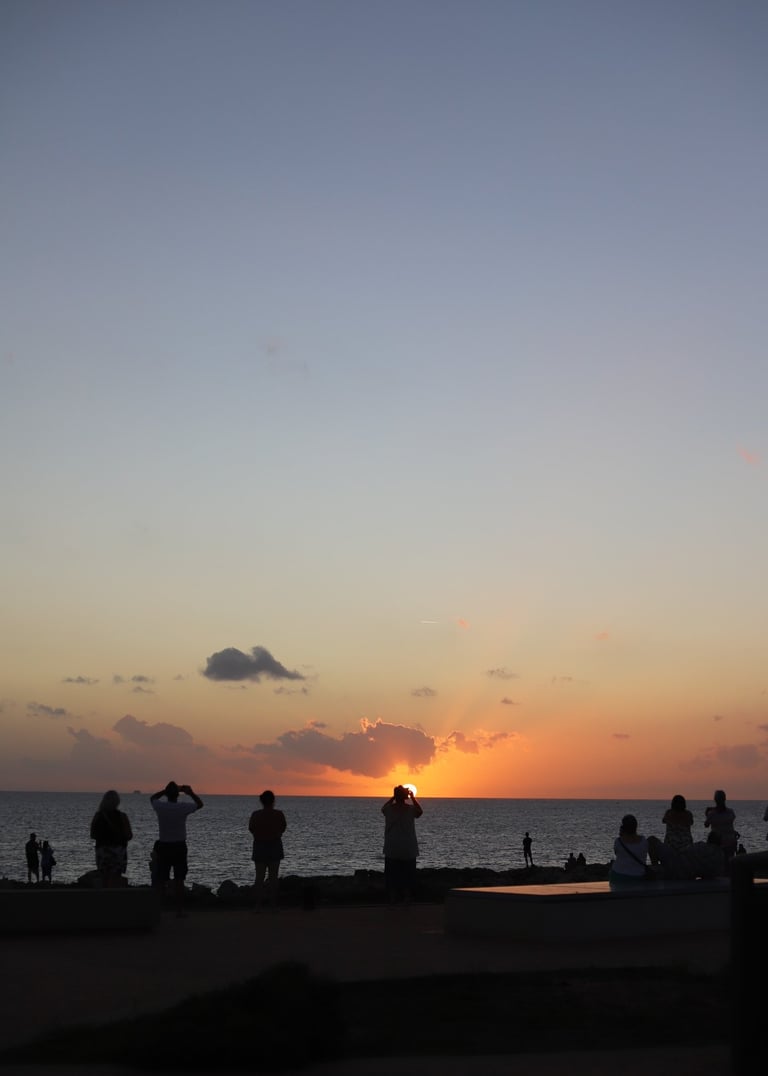
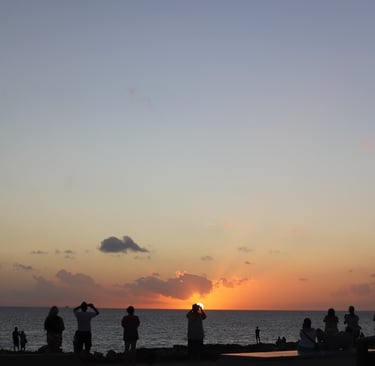
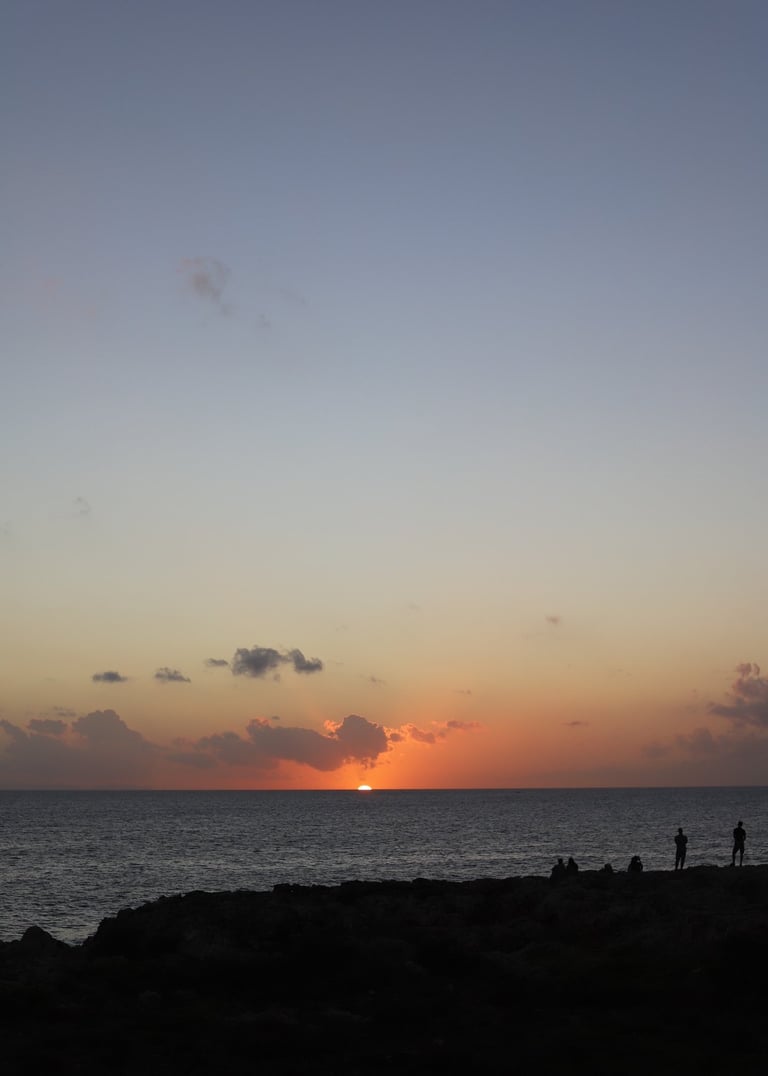
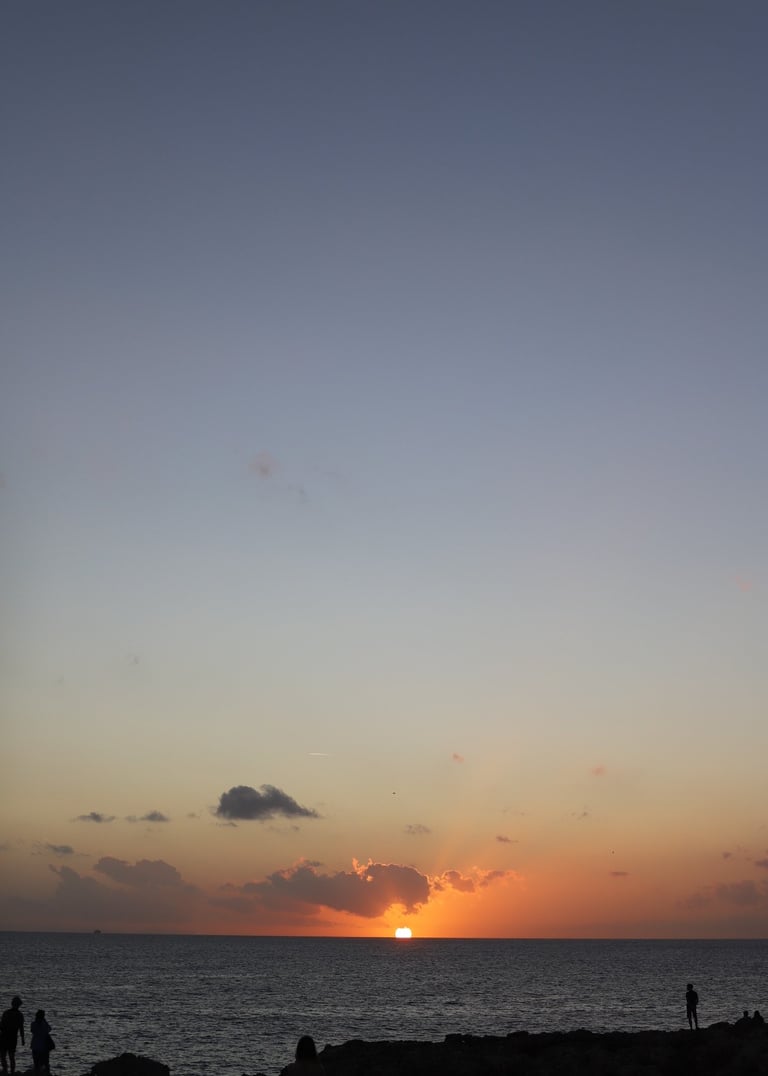
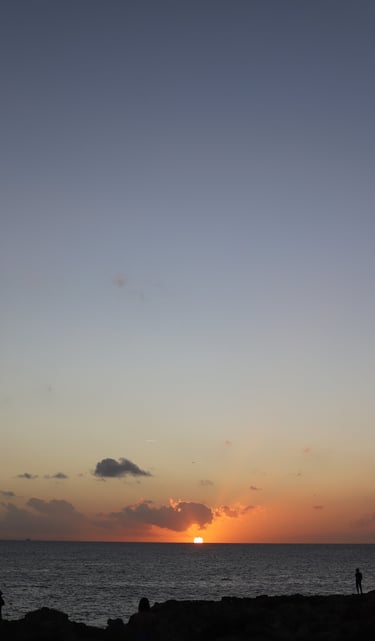
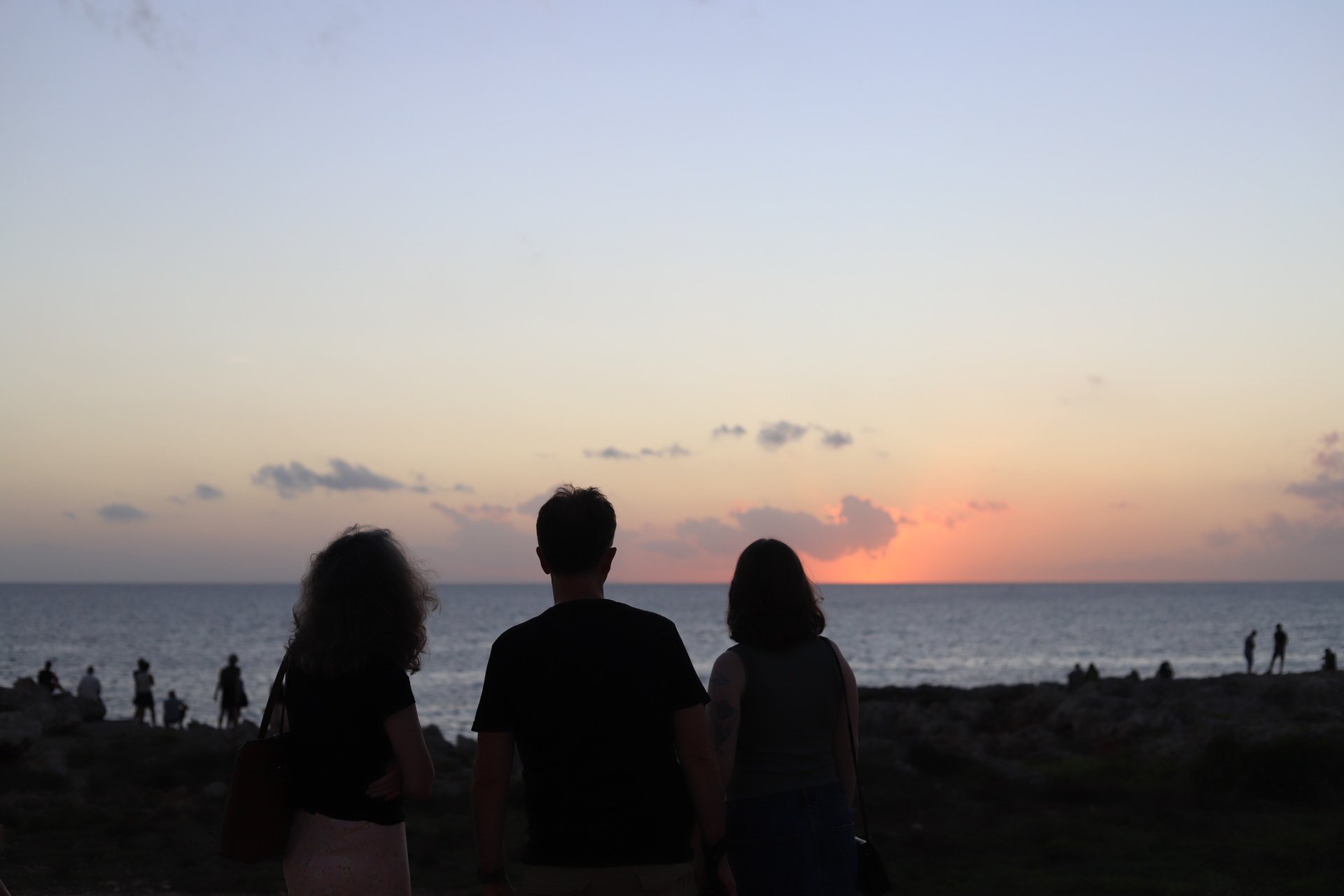
Sunsets are a big part of the experience in Menorca, and it kind of feels like the whole island slows down to enjoy them. Along the west coast, especially around places like Cala Blanca, Punta Nati, and Cap d’Artrutx, you’ll often find people gathering on the rocks or at seaside bars just before it goes down for the day.
In Ciutadella, it’s popular to sit along the harbour with a drink, while in other spots people bring a picnic and make an evening of it. Some even clap when the sun finally disappears below the horizon. Whether you’re watching from a quiet cove or a lively terrace, the sunsets here are really memorable.
Best Places to See the Sunset in Menorca
Punta Nati Lighthouse (Far de Punta Nati) This is truly a unique place to visit, surrounded by red rock stone — it feels like stepping on Mars!
Cavalleria Lighthouse / Cap de Cavalleria: Dramatic cliffs and a wild coastline make the sunset here especially striking.
Pont d’en Gil: A natural rock arch over the sea that frames the setting sun, a favorite among photographers.
Cala Morell: Watch the sun dip from the cliffs above or from one of the terraces overlooking the sea.
Monte Toro: As the highest point (358 m) on the island, Monte Toro offers a panoramic view, you can see much of Menorca as the light fades.
Cap d’Artrutx Lighthouse: This lighthouse gives a photogenic sunset view, often with Mallorca’s silhouette visible in the distance on clear days.
Cova d’en Xoroi: Unique because it’s a cave-bar built into a cliff. You get the ambience + view + music. It is best to go early as its popular.
Binigaus Beach: A quieter beach on the south coast. ideal if you prefer a peaceful, less crowded sunset.
Es Talaier Viewpoint: An inland option: you’ll see rural landscapes fading into distant sea — a more subtle, soft sunset experience.
Sunset from the sea / by boat: If you want a different perspective, viewing the sunset from a boat puts you in the open water with no obstructions at all.
_________________________________________________________________________________________________________________________________________________________

Menorca's towns
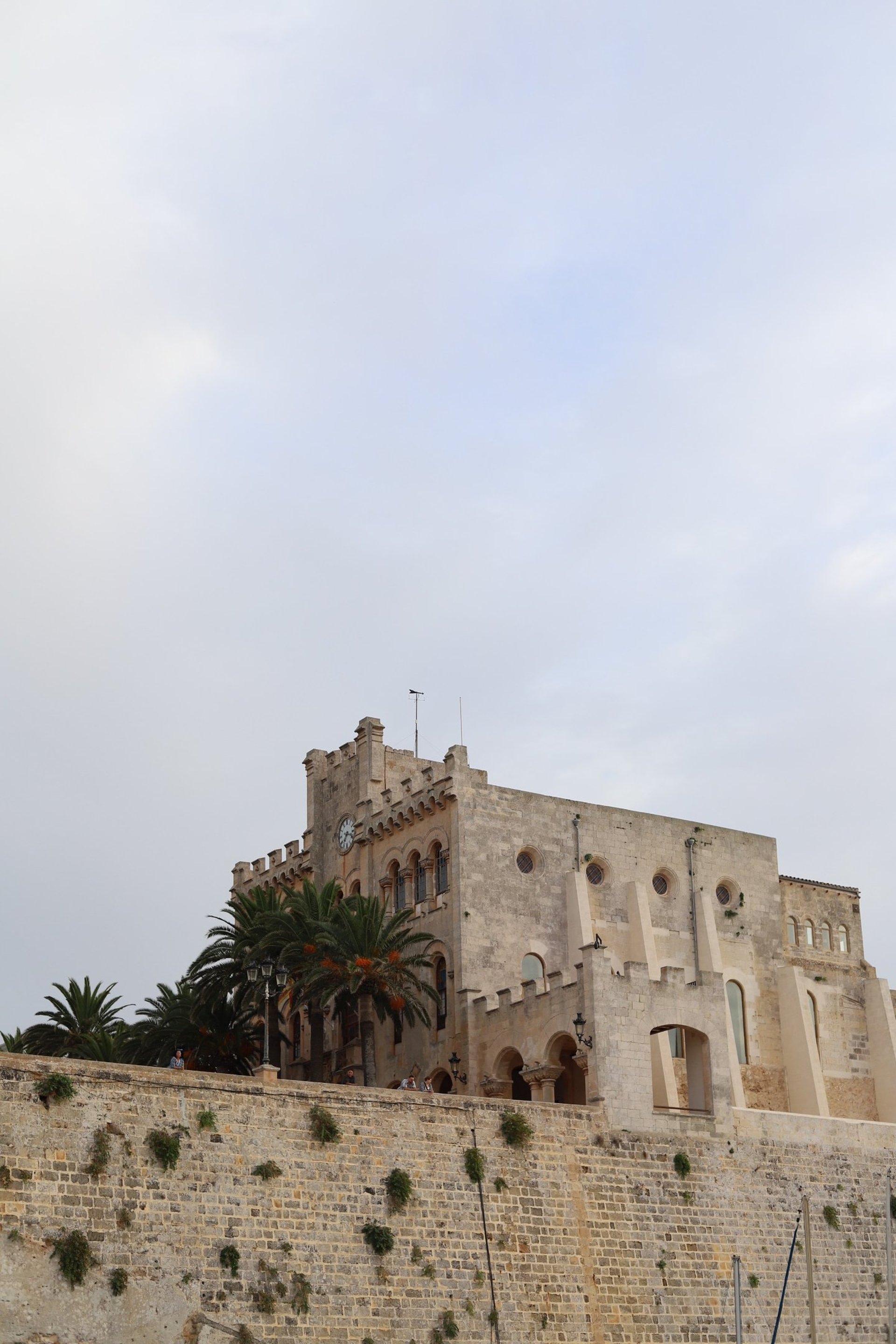
Menorca has some truly beautiful towns to visit. The capital, Mahón (Maó), is home to one of the world's largest natural harbours and also has a mix of Georgian architecture, markets, and waterfront cafés. On the opposite coast, Ciutadella is another beautiful place to explore with its medieval old town, lovely harbour, cobbled streets, and elegant palaces. It feels really romantic there and is probably one of our favourite towns we have seen in the Mediterranean.
We also went to visit Binibeca, which was one of the highlights of the trip, and other smaller towns worth a visit include Fornells, famous for its seafood and sailing, or Es Mercadal, nestled at the foot of Monte Toro. Menorca's two coasts have quite different characters too — the north is wilder and rockier, shaped by the tramuntana wind, while the south is calmer, with the sheltered coves and sandy beaches the island is best known for.
CUITADELLA
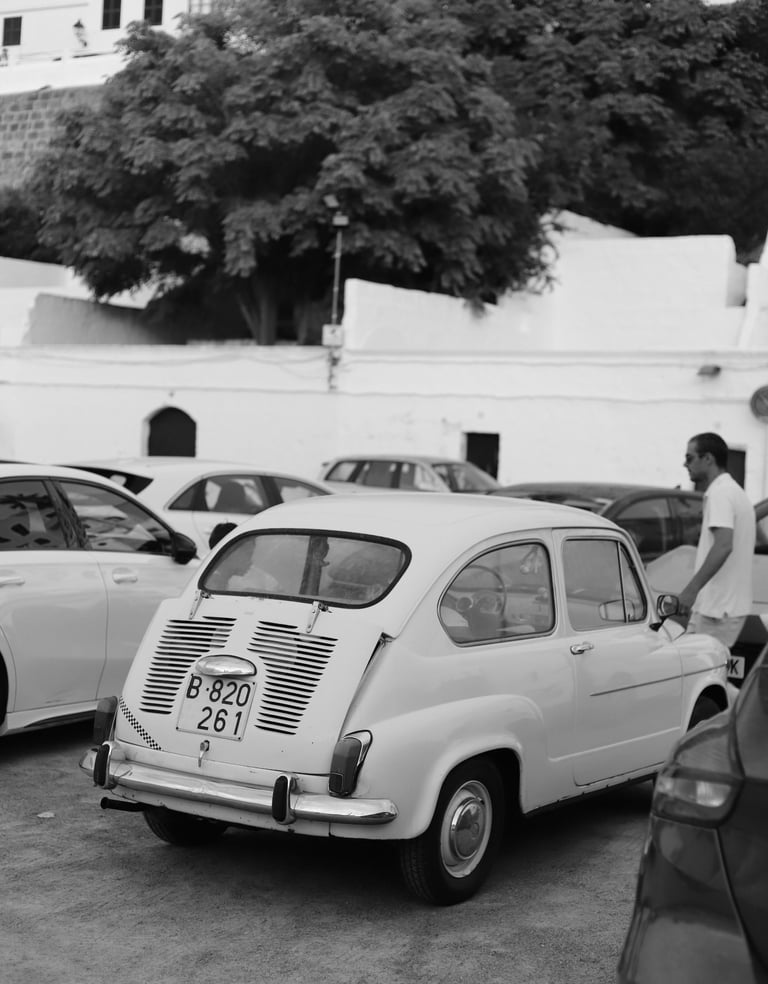
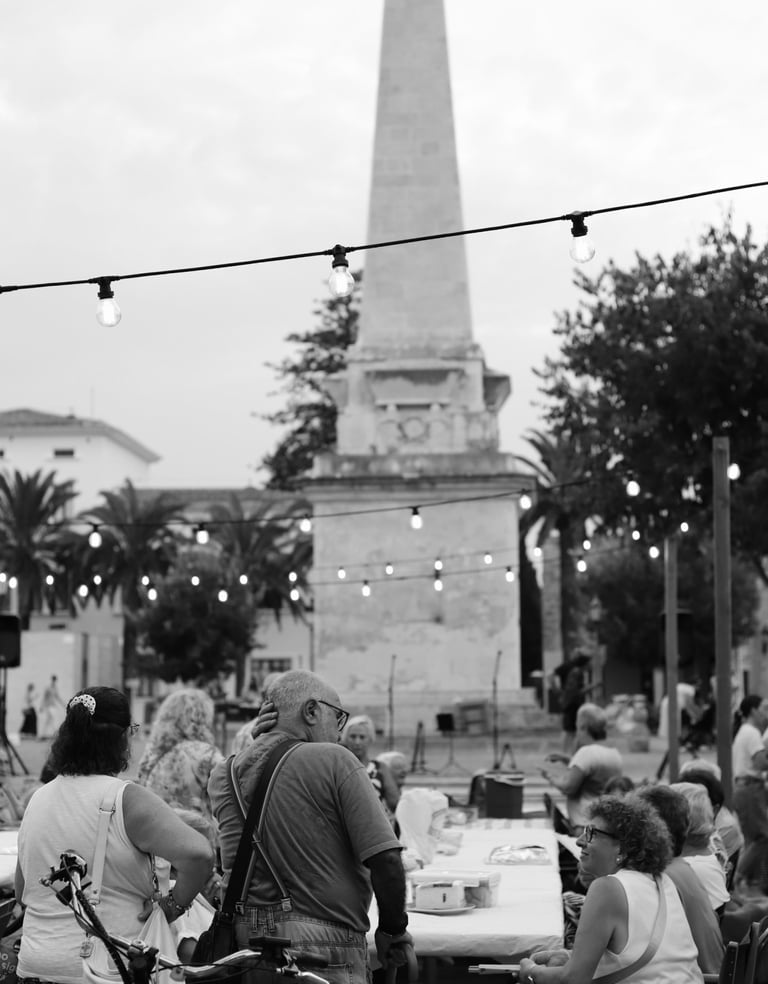
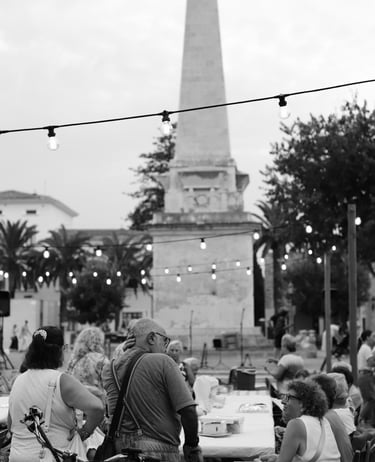
Ciutadella de Menorca is one of the most charming towns on the island and was actually the original capital of Menorca until the early 18th century. It has a very historic feel, with narrow cobbled streets, old stone buildings, and a beautiful cathedral that was built on the site of a former mosque after the Christian reconquest. The old town is compact and easy to explore, and it’s full of small squares, cafés, and traditional architecture that gives it a very timeless atmosphere.
One of the most famous events in Ciutadella is the annual Festa de Sant Joan, held every June, which features parades, and centuries-old traditions that bring the whole town to life. The harbour area is also especially picturesque, lined with restaurants and colourful boats, and it becomes very lively in the evenings. During British rule in the 18th century, the capital was moved to Maó because of its larger natural harbour, which is why Ciutadella remains more historic and less modern in comparison.
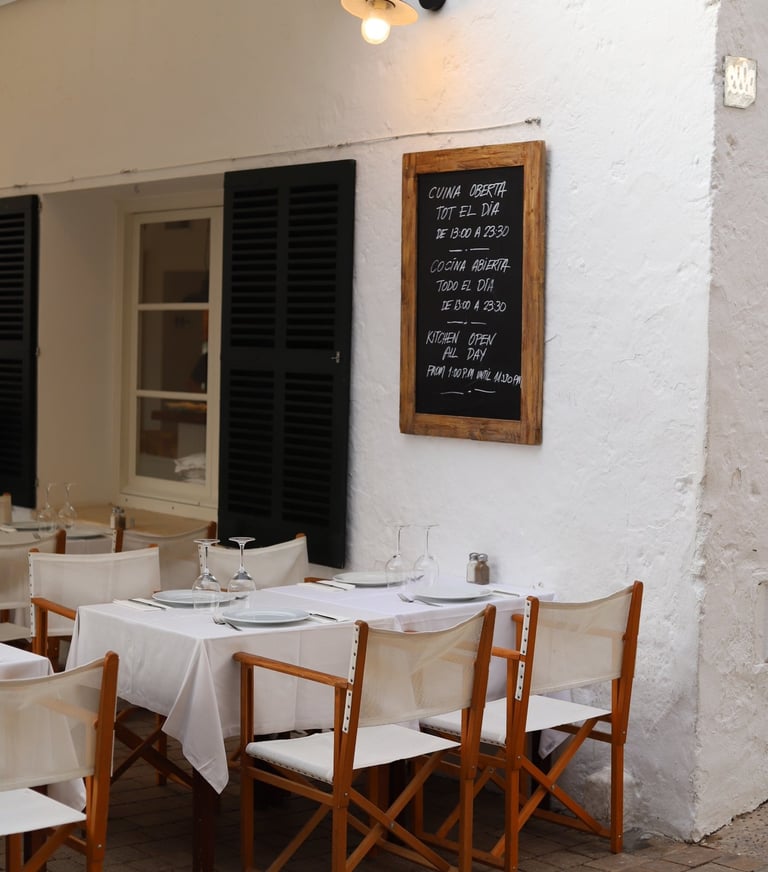
We enjoyed many evening strolls around Ciutadella, wandering through its historic streets and finishing the day with dinner by the harbour. Many traditional Menorcan dishes are based around seafood and meat, such as lobster stew and cured meats, which of course weren't suitable for mine or my family's vegan diets. However, there were some plant-based options available, especially in more modern restaurants, where dishes like grilled vegetables, or tapas-style plates can be adapted.
We chose slightly more contemporary spots and had a marinara pizza by the harbor, which was honestly truly delicious, I think we even went a second time! We also spent a couple of rainy afternoons tucked into cafés, watching the streets go by from a window seat. It’s worth being aware that some traditional Menorcan baked goods, such as certain pastries and biscuits, can contain animal fats like pork lard, so if you follow a plant-based diet it is always worth double checking.
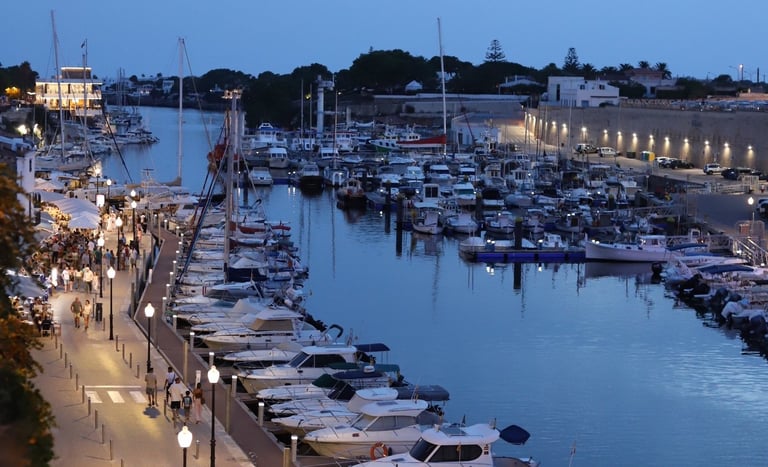


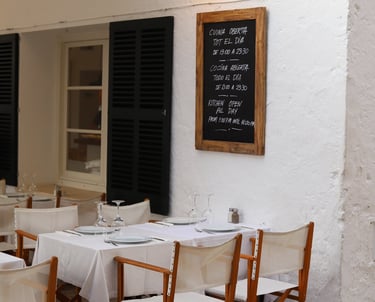
We really enjoyed walking around the habour which has an amazing atmosphere as well as walking around all the streets of the old town and picking up a few souvenirs.
Mahón
We also spent a little bit of time in Mahón, which was the third stop on a drive around the island we had planned. It's a great place for a slow walk, with boats coming and going and plenty of cafés along the water where you can sit and watch the activity.
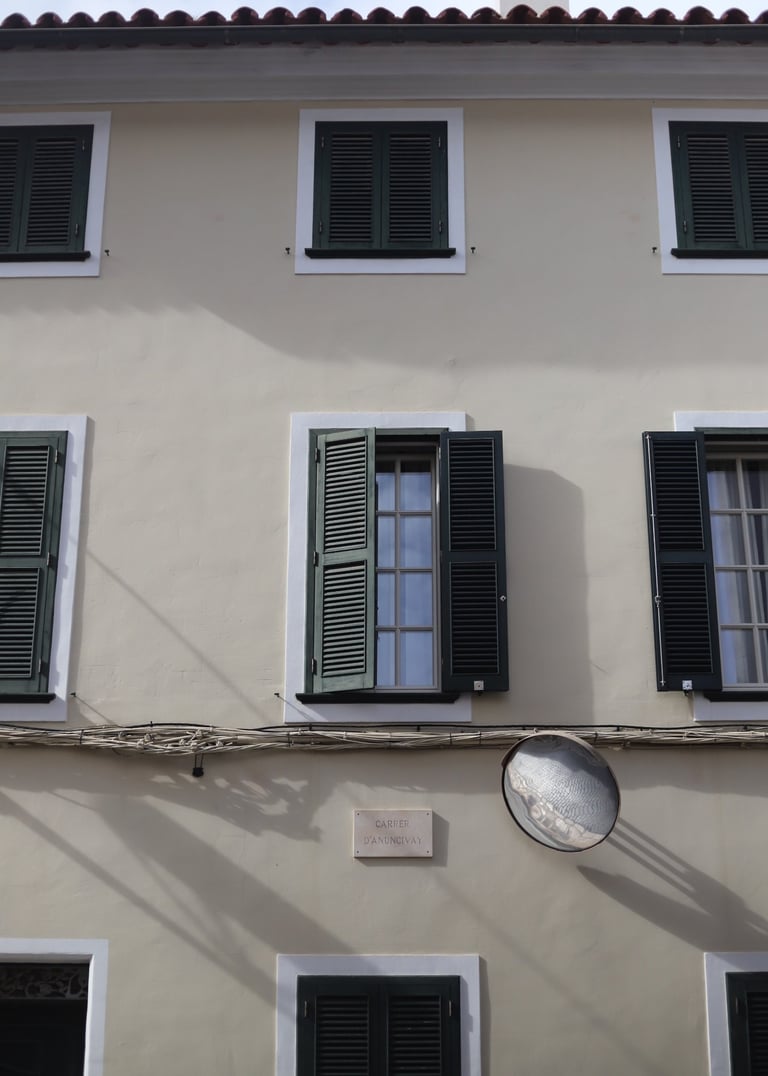
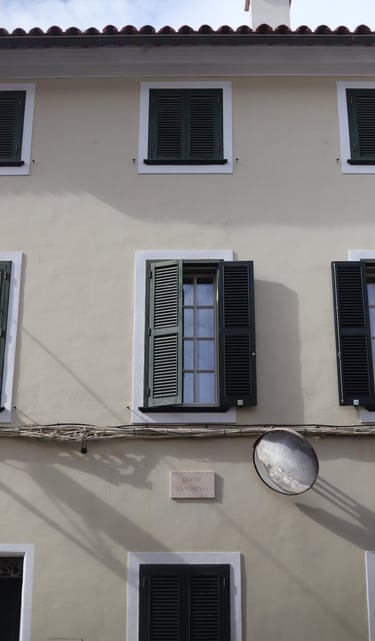
The city has an interesting layered history, with influences from different periods still visible today. You'll find elegant Georgian façades, a legacy of the British occupation in the 18th century, alongside older stone buildings, and a general mix of styles that reflects how the city has developed over time as an important port.
The British left their mark in other ways too: they brought their taste for gin with them, and local distillers started making their own using grape spirit rather than grain, a tradition that continues today with the local brand Xoriguer. Wandering up from the harbour, the streets open out into a few lovely squares, and there's a good market if you fancy picking up a bottle. We didn't spend a whole lot of time here, and in all honesty we preferred the other towns we visited.
Binibeca
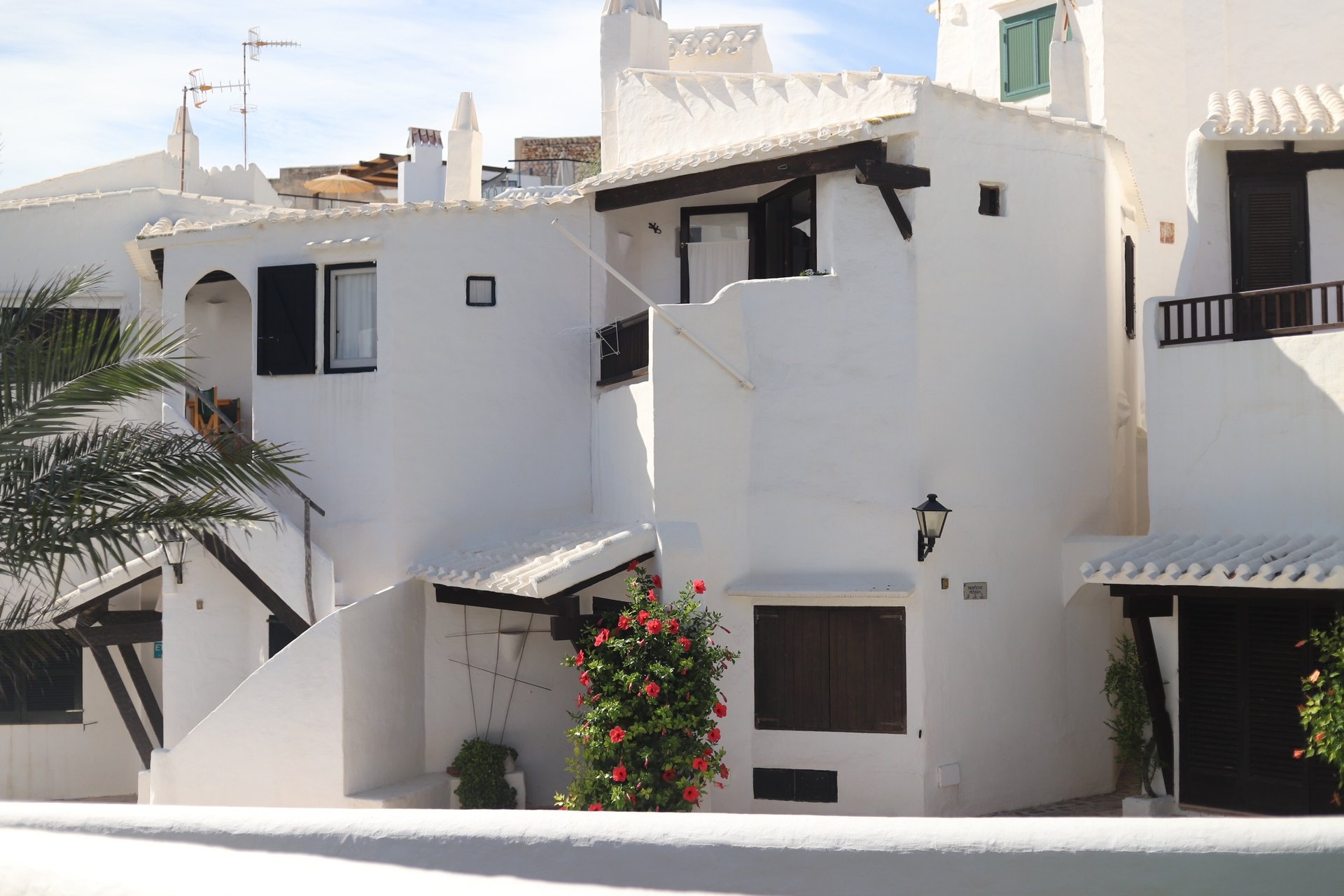
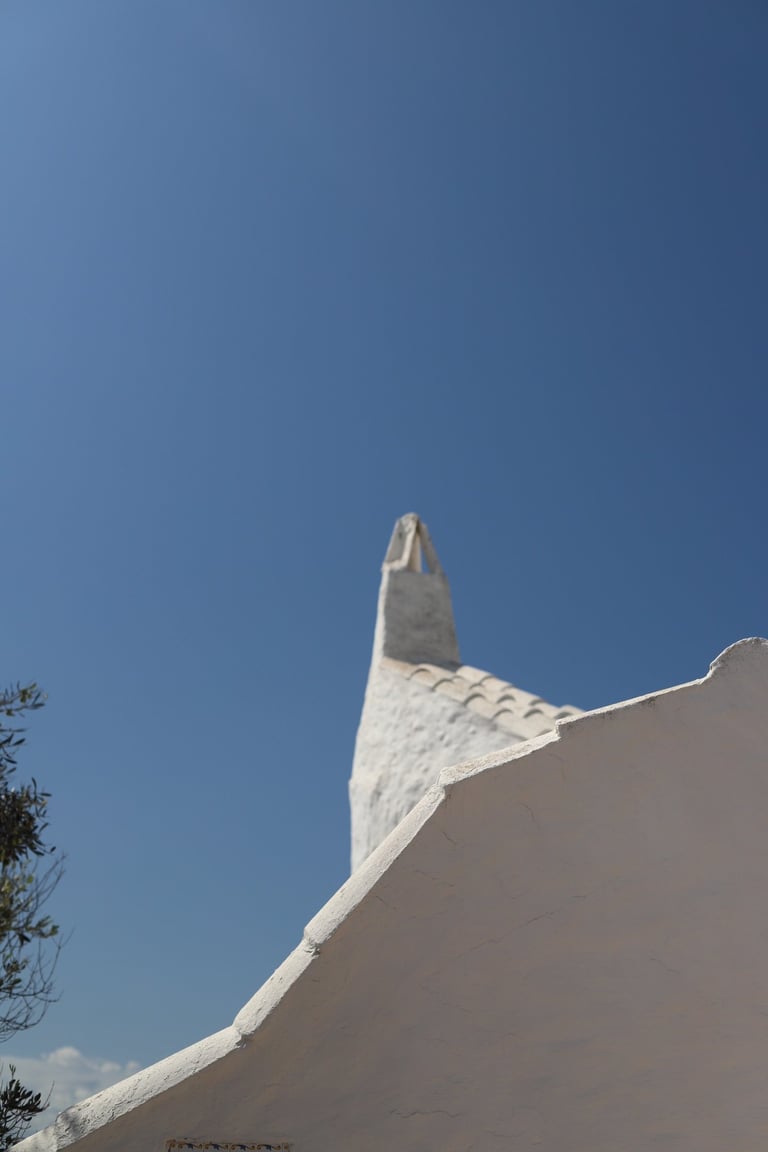
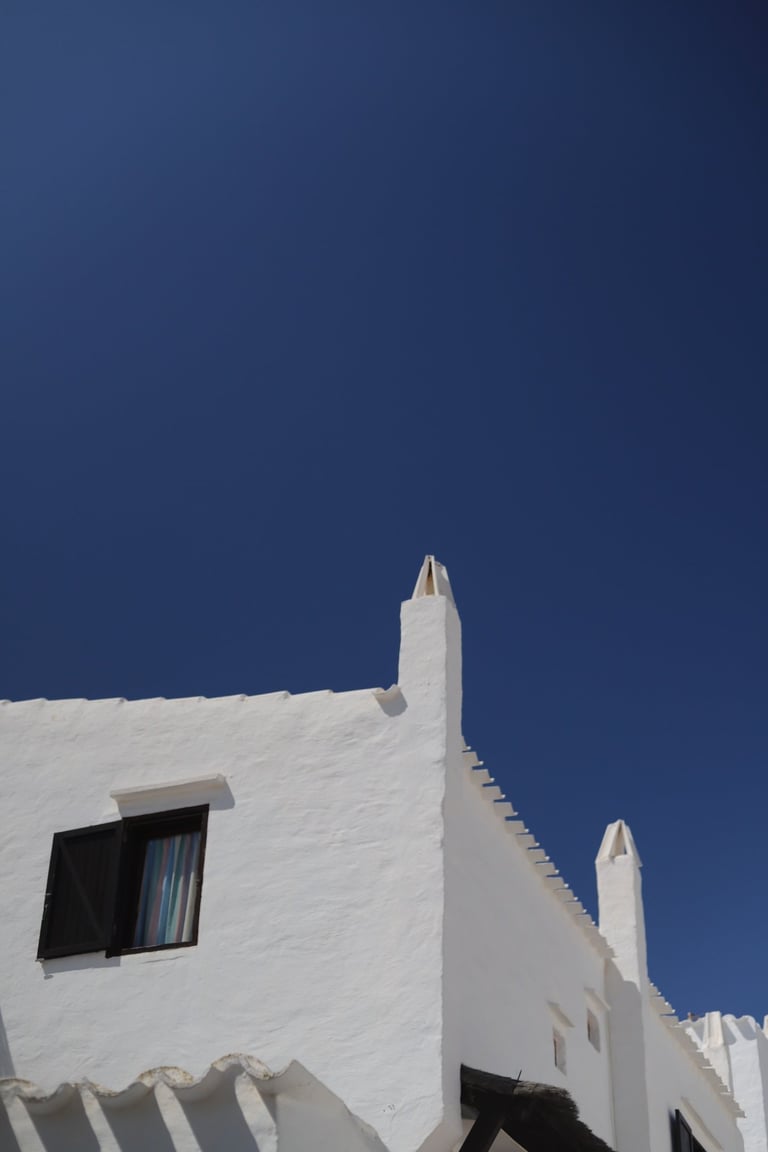
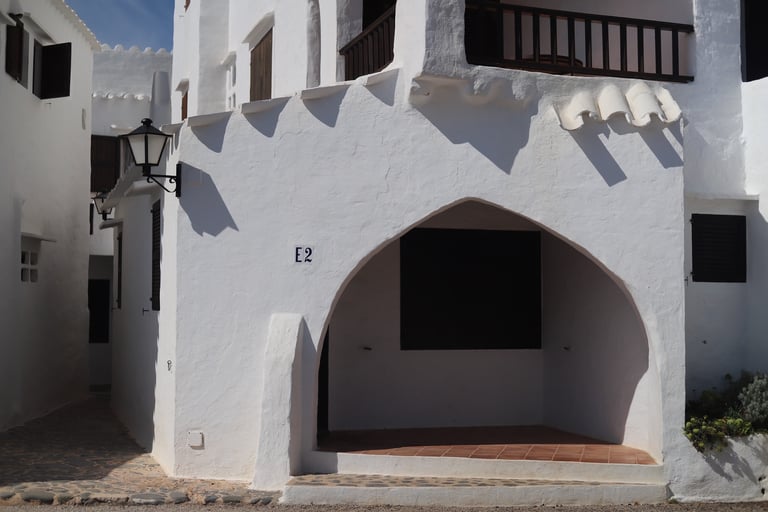
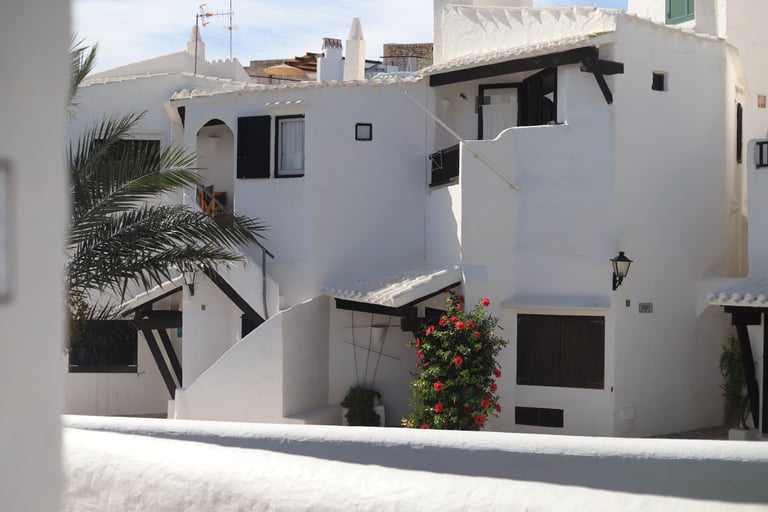
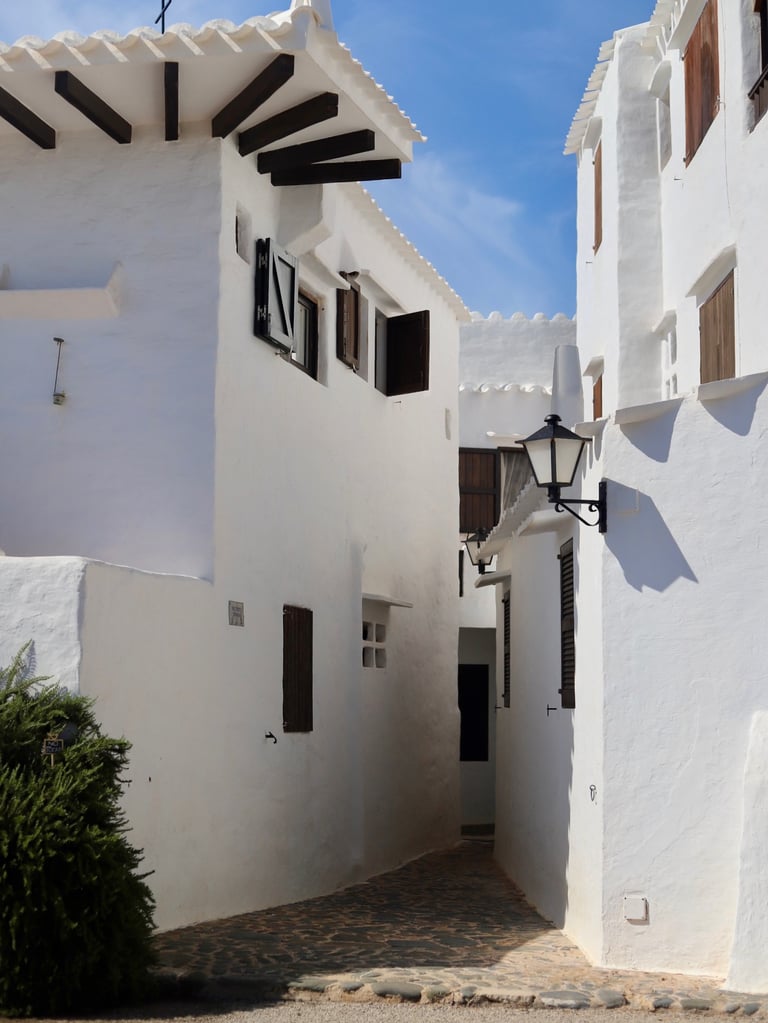
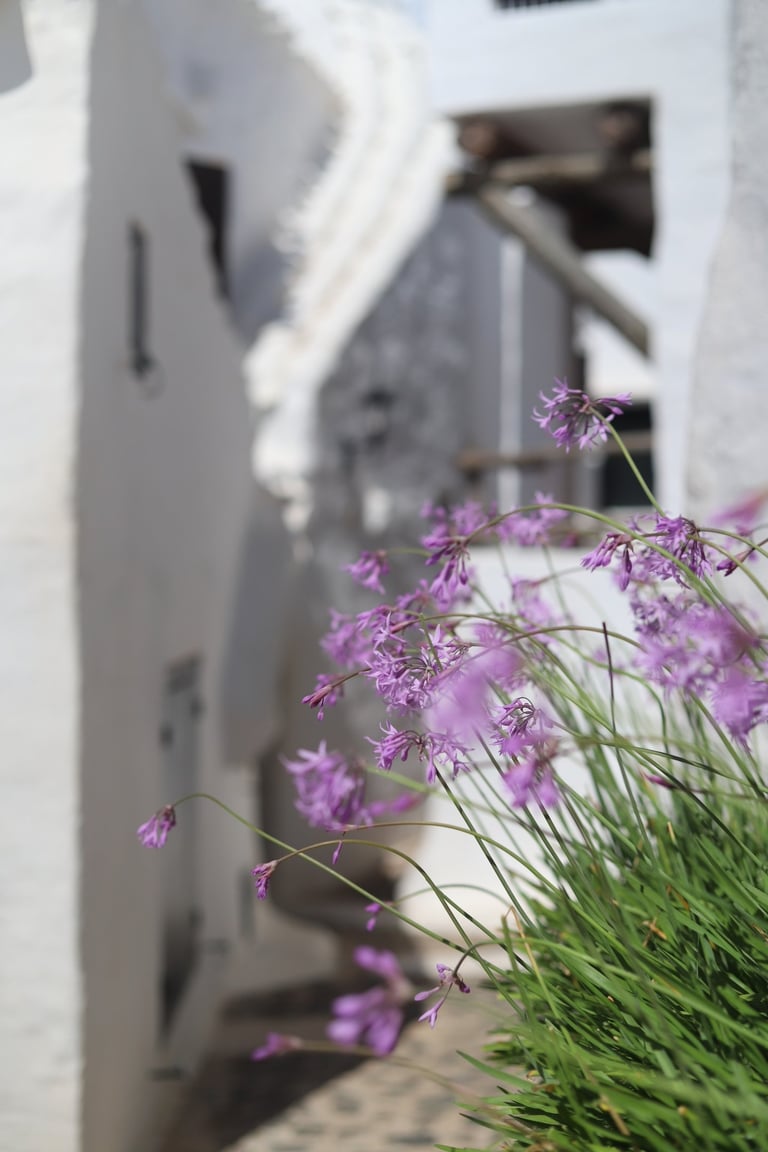
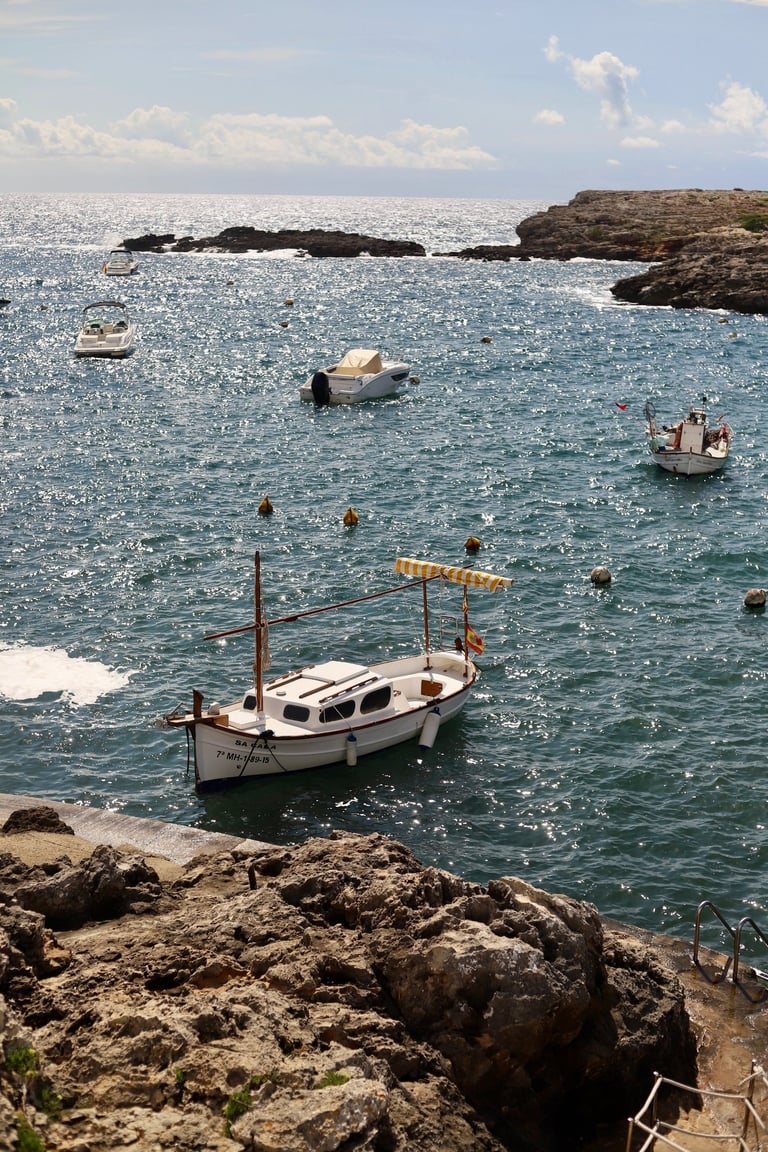
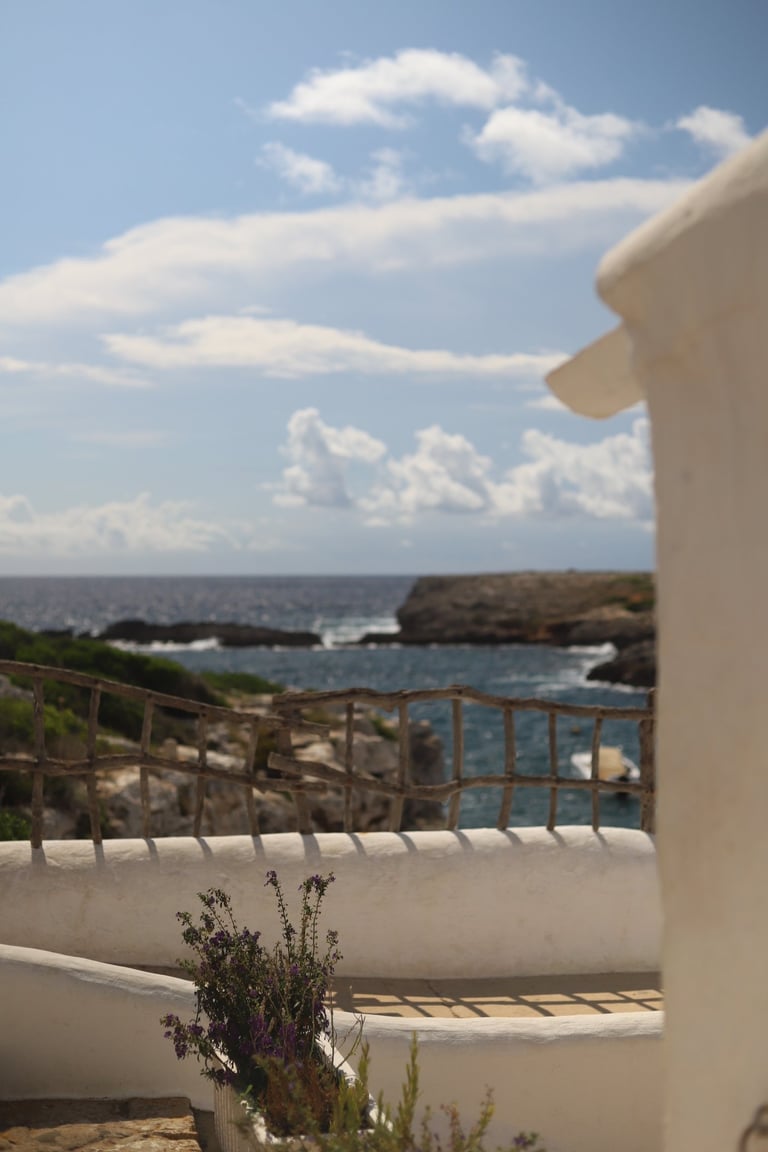
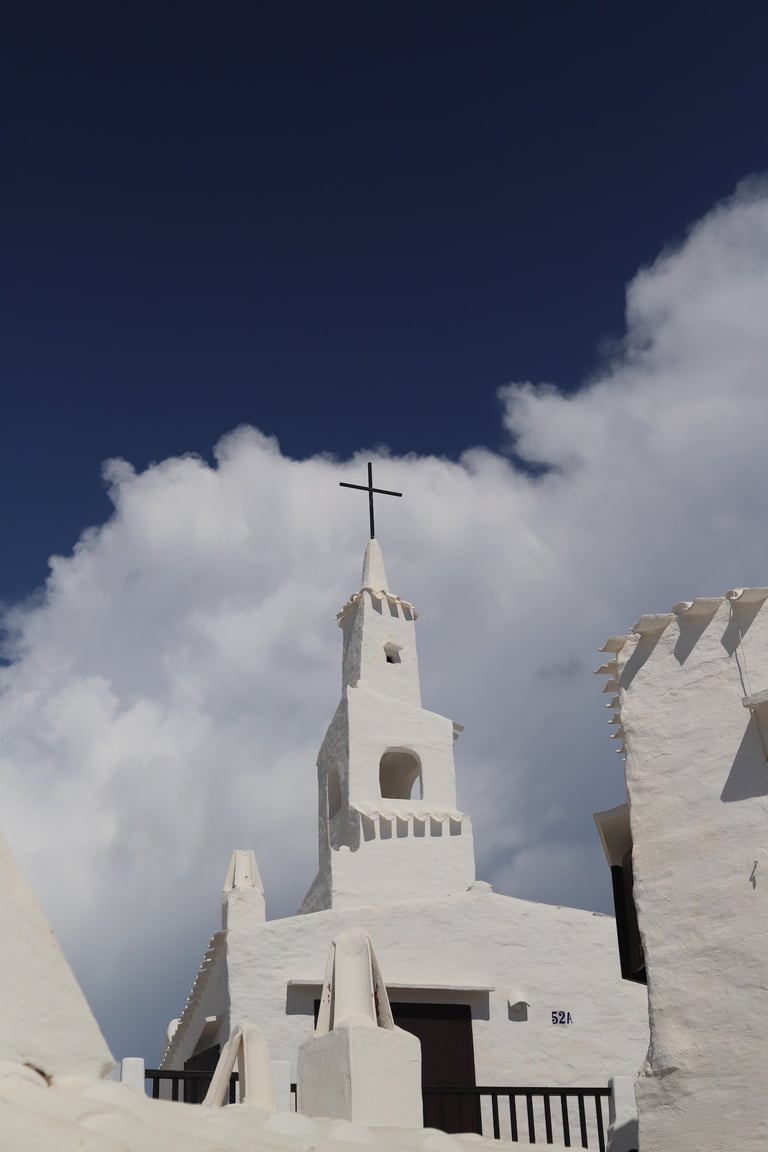
We also visited Binibeca, a small village on the southeast coast that is famous for its whitewashed houses and maze-like streets. At first glance it looks like an ancient fishing village, but it was actually designed in the 1960s by the Menorcan architect Antonio Sintes Mercadal, who set out to recreate the feel of a traditional Mediterranean settlement. The narrow alleys and irregular layout were intentionally planned to feel organic and timeless, which is why it really does feel like stepping into a postcard.
One interesting fact is that Binibeca is still a lived-in community, not just a tourist attraction, so many of the houses are private homes. Because of this, visitors are encouraged to keep noise down and move respectfully through the streets, especially in the early morning or evening when it is most peaceful. Another detail that surprises many people is that there are very few cars in the village, which adds to its quiet, maze-like feel and makes walking the only real way to explore it.




Beaches
Last but not least the beaches The beaches in Menorca are often considered some of the most beautiful in the Mediterranean, known for their clear turquoise water, soft white sand, and natural, unspoilt surroundings. Many of them are set in small coves surrounded by pine trees and rocky cliffs, which gives them a more secluded and peaceful feel compared to the larger, more developed beaches on nearby islands.
Much of Menorca’s coastline is protected as part of a UNESCO Biosphere Reserve, which limits overdevelopment and helps maintain the island’s natural beauty. As a result, you’ll often find fewer large resorts and more untouched landscapes, with beaches that feel relatively wild and peaceful even in peak summer.
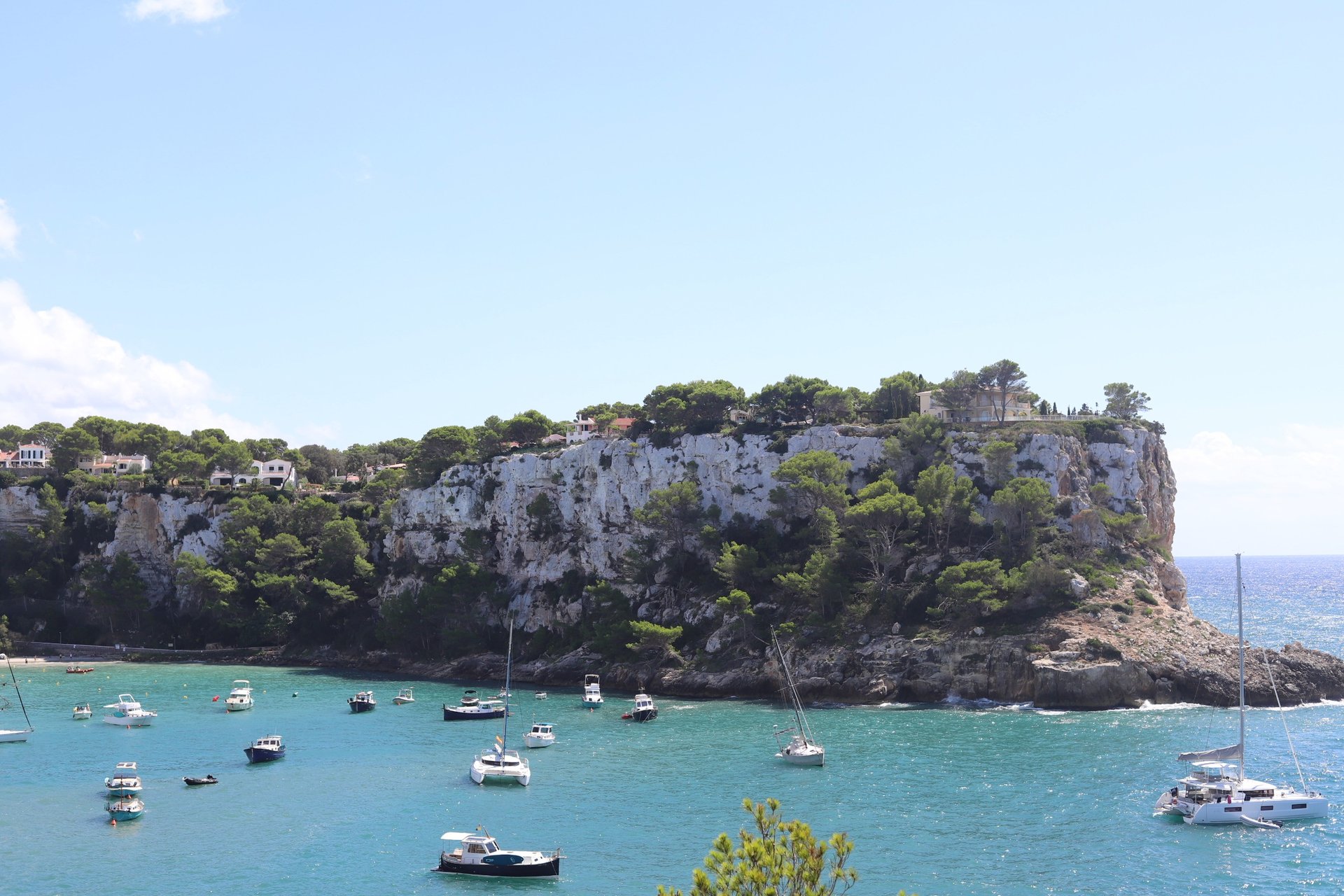
We didn’t spend a huge amount of time on the beaches during our trip, but one of the most memorable we came across was Cala Galdana. It was one of the most beautiful beaches I’ve seen anywhere in the Mediterranean. The water is a beautiful shade of turquoise, and the cove is framed by pale limestone cliffs and pine trees that give it a really natural, sheltered feel.
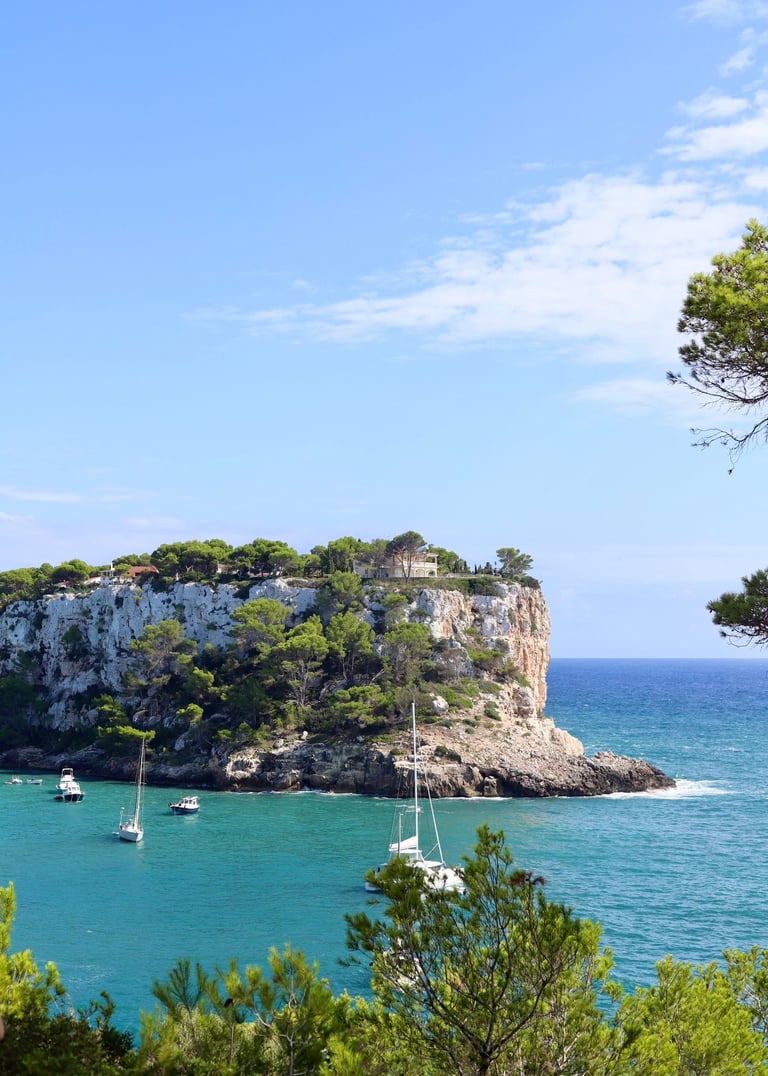
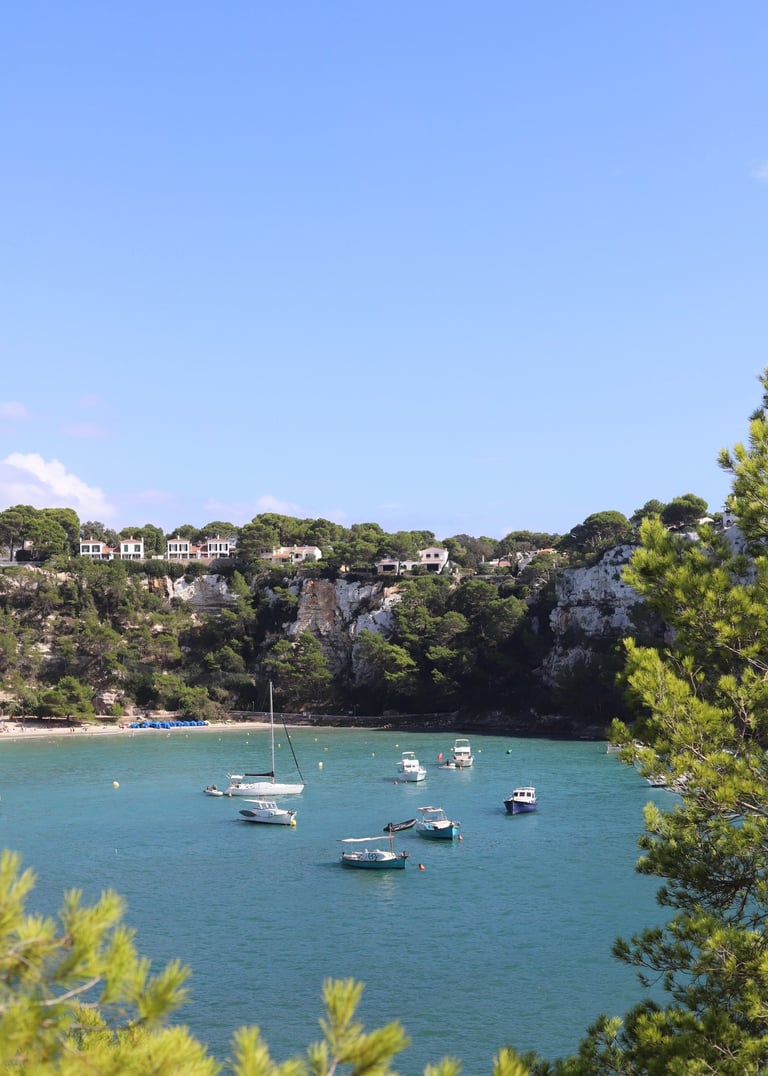
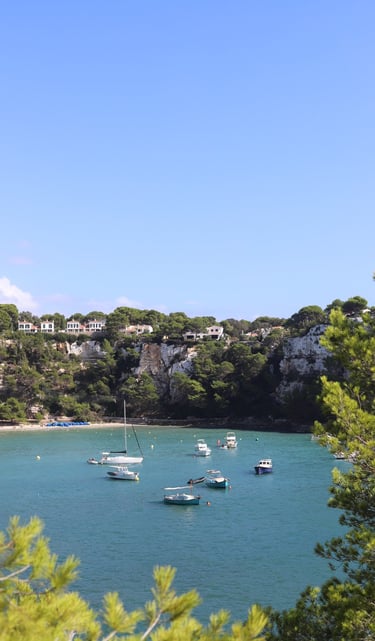
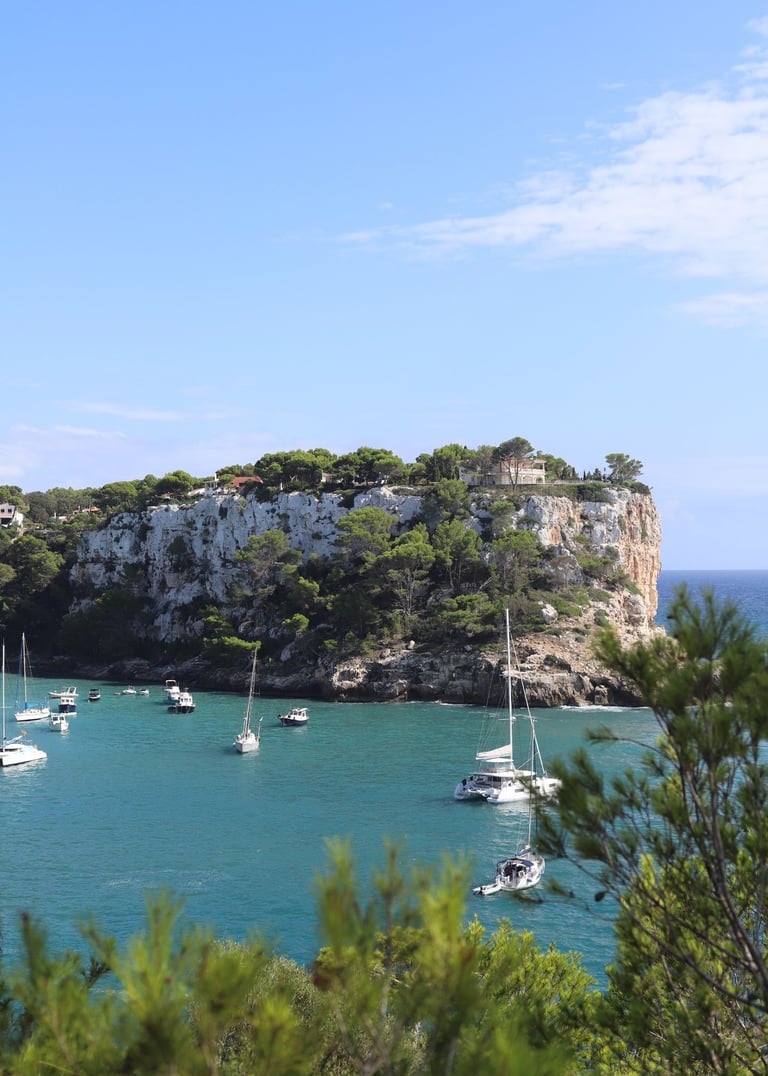
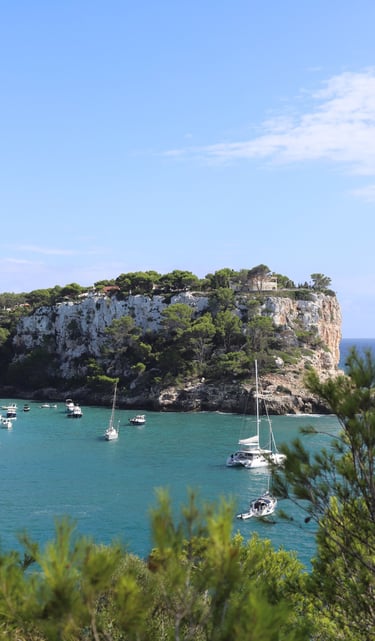
We walked to Cala Macarella, one of the most famous beaches in Menorca, and it truly was beautiful — the sand was incredibly soft. We caught it on an overcast afternoon, though, so we'll definitely need to go back to see the waters at their bluest. My poor dad will need to be dragged up and down all those steep stairs again one day!


Best Beaches in Menorca
_________________________________________________________________________________________________________________________________________________________
Cala Macarella: One of the island’s most famous coves, with brilliant turquoise water, soft white sand, and pine trees right down to the shoreline.
Cala Turqueta: A picture-perfect bay known for its vivid blue sea and calm atmosphere.
Cala Mitjana: A beautiful mid-sized cove framed by cliffs and greenery. It’s easy enough to reach but still feels very natural, with space to relax.
Son Bou: The longest beach on the island, offering wide open views and long stretches of sand.
Cala Pregonda: Known for its reddish-golden sand and rugged, almost desert-like landscape.
Cala en Porter: A large bay surrounded by steep cliffs, creating a natural amphitheatre effect.
Cala Galdana: One of the larger, more accessible beaches, set in a horseshoe-shaped bay.
Cala Macarelleta: A smaller neighbouring cove to Macarella, often even quieter and more intimate.
Cala Pilar: A more remote beach with distinctive reddish sand and a completely natural feel.
Cala Trebalúger: A secluded beach that is only accessible on foot or by boat, making it one of the quietest spots on the island.

Overall, it was an amazing trip, and the very best part was sharing it with my sister and my parents. In case you don’t want to read the whole post, here’s a quick essentials guide for your next stay in Menorca.
Essential places to visit:
Ciutadella de Menorca – A beautiful historic town with cobbled streets, a charming old harbour, and plenty of cafés and restaurants for relaxed evening walks.
Cala Galdana – One of the most stunning beaches on the island, with turquoise water, soft sand, and pine-covered cliffs that make it feel almost unreal.
Cala Blanca (sunset spot) – A peaceful place to end the day, with low-key beaches and west-facing views that make the sunsets especially memorable.
Binibeca – A picturesque whitewashed village with winding streets and a quiet coastal setting that feels uniquely atmospheric and worth wandering through slowly.
Punta Nati Lighthouse – A dramatic, windswept stretch of coastline on the northwestern tip, marked by a lonely lighthouse and layers of jagged limestone cliffs.
Explore
About
Travels
Food
Lifestyle
© 2026 Beside the Mediterranean
Socials
Instagram
Pinterest
Legal
Privacy Policy
Cookie Policy
Beside the Mediterranean