Is the Meditarranean diet naturally plant-based?
Is the Mediterranean Diet Naturally Plant-Based?


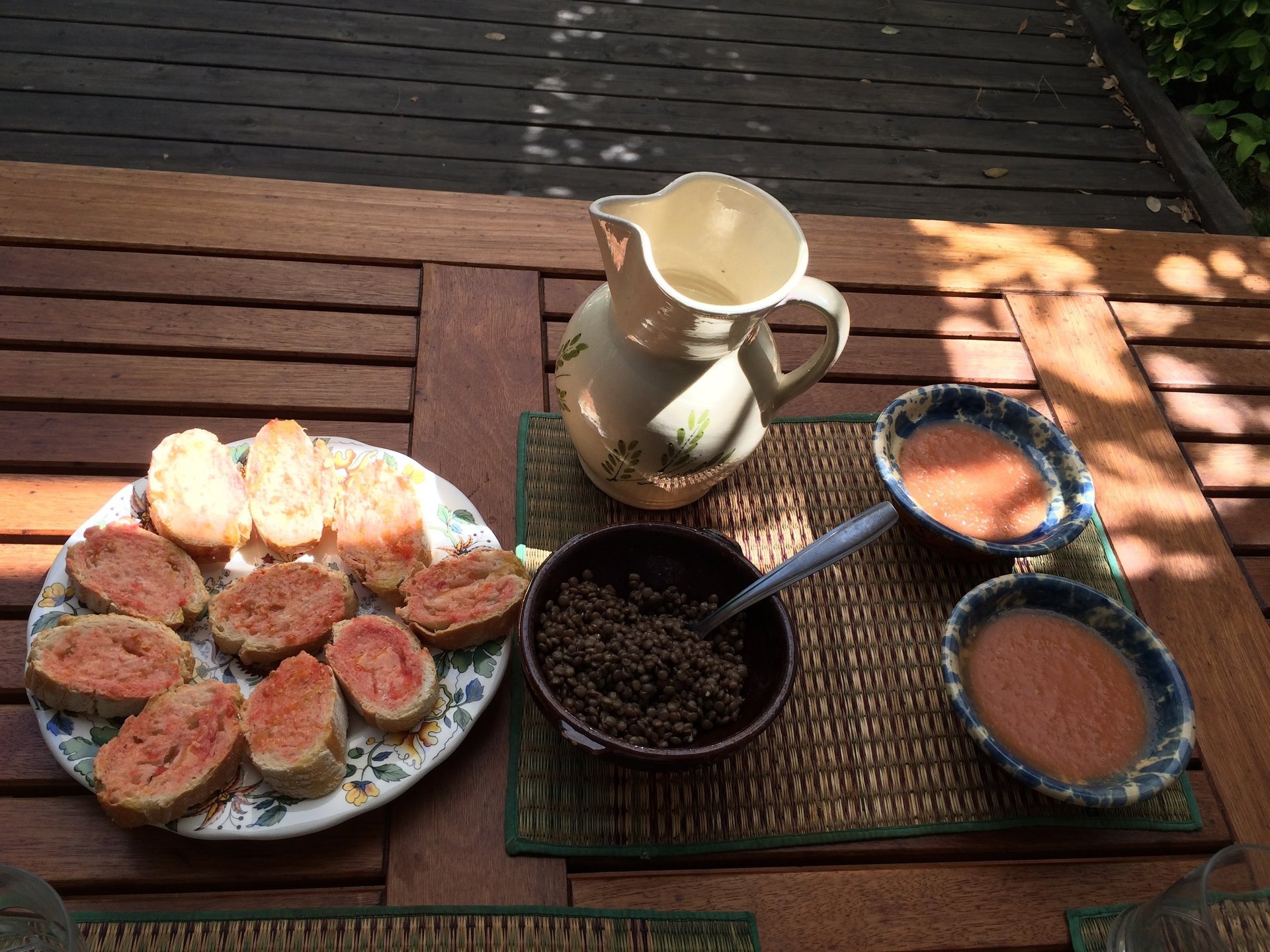
Plant-based dinner in Calella de Palafrugel.
The Mediterranean diet is often hailed as one of the healthiest ways of eating in the world, linked to longer life expectancy, improved heart health, and a lower risk of chronic disease. But what many people don't realise is that one of the key reasons behind these benefits is surprisingly simple: plants.
If you have travelled enough to any Mediterranean country, you will already know that the diet is, of course, not strictly vegan or vegetarian, and features a wide variety of animal products that are widely celebrated.
However, the more time I spend in these areas, the more I realise how much plant-based food makes up a large part of what people are eating, not necessarily because they align with a vegan lifestyle, but because they are used to preparing traditional, nutritious and often affordable food from where they are from.
As I started travelling mainly in Spain and Italy, I had a lot of meals that were focused on legumes and vegetables, like the dinner pictured above. In fact, where I was staying, chickpeas and lentils were eaten with almost every single meal, with just olive oil, vinegar and a bit of salt. I was also really pleasantly surprised by all the plant-based foods available to me when I first visited my vegan friend in Italy, where we enjoyed focaccia, pizzas, pasta, risottos and other dishes that were made naturally without animal products.
To make plant-based eating more approachable to the masses, many health professionals are advocating for something called a plant-forward approach, meaning that even if you still consume a small amount of animal products, having a diet that is predominantly plant-based is beneficial. In many ways, the Mediterranean diet already adopts this approach, and has done for a long time.
Why Is the Mediterranean Diet So Full of Plants?
The traditional Mediterranean diet developed in regions where food was seasonal, local and often simple. For centuries, communities across Southern Europe relied heavily on ingredients that could be grown locally and affordably, such as beans, lentils, chickpeas, vegetables and grains.
Meat was relatively expensive and less readily available than it is today, so it was often reserved for celebrations or eaten in small quantities. Instead, plant foods provided the bulk of people's calories and nutrition, with olive oil supplying healthy fats and fish occasionally supplementing meals in coastal regions. As my grandad has always told me, where he grew up in the suburbs of Barcelona, they often ate simple stews with chickpeas or beans and having meat for dinner was much rarer, and people were eating far less animal products than they do today as they just simply werent as available.


A beautiful fruit and vegetable shop in Motpellier, France
The Health Benefits of Eating More Plants
Research consistently shows that diets rich in plant foods are associated with better long-term health outcomes. Plants provide fibre, antioxidants, vitamins and minerals that support almost every system in the body.
Eating more fruits, vegetables, whole grains and legumes has been linked to:
Improved heart health
Lower cholesterol levels
Better blood sugar control
Reduced risk of type 2 diabetes
Improved gut health and digestion
Lower rates of certain cancers
Reduced inflammation
Many scientists believe that these plant foods are a major reason why populations following traditional Mediterranean diets have historically experienced lower rates of cardiovascular disease and other chronic illnesses.


If you are interested to know more about the health benefits of following a vegan diet, there are many interesting documentaries on the subject avaliable on Netflix such as:
You Are What You Eat: A Twin Experiment – Follows identical twins taking part in a study comparing a healthy vegan diet with an omnivorous diet, exploring the effects on health and lifestyle.
The Game Changers – Explores the benefits of plant-based eating for athletes, featuring scientific research and stories from elite performers.
What the Health – Investigates the links between diet, chronic disease and the food industry, while encouraging viewers to question common beliefs about nutrition.
For a wider look at plant-based lifestyles, Live to 100: Secrets of the Blue Zones explores the diets of some of the world's longest-living populations, many of whom follow predominantly plant-based eating patterns, including several Mediterranean regions.


Blue Zone : Sardinia, Italy: Mountainous region where men, in particular, reach extreme old age.
Fibre: The Missing Nutrient in Modern Diets
One of the biggest advantages of a plant-rich Mediterranean diet is its high fibre content.
Fibre plays an essential role in supporting digestive health, feeding beneficial gut bacteria and helping us feel fuller for longer. Yet many people in Western countries consume far less fibre than recommended, largely due to diets high in processed foods and animal products.
Foods that feature heavily in Mediterranean cuisine such as lentils, chickpeas, beans, vegetables and whole grains are naturally rich in fibre, making it easier to meet daily requirements without relying on supplements or fortified products.


A More Sustainable Way to Eat
The Mediterranean diet's emphasis on plants benefits more than just our health.
Producing plant foods requires far fewer natural resources and generates fewer greenhouse gas emissions than producing meat and dairy products. In fact, according to a University of Oxford study published in 2018, avoiding meat and dairy is ‘single biggest way’ to reduce your impact on Earth.
By placing vegetables, legumes and grains at the centre of the plate and using animal products less often, the Mediterranean diet definitely offers a more environmentally sustainable approach to food.
In many ways, traditional Mediterranean communities were practising sustainable eating long before the term existed.
Is the Mediterranean Diet Naturally Plant-Based?
It is no secret that animal products do still feature in countries and dishes across the Mediterranean, with meat, fish, eggs and dairy products widely consumed and celebrated.
However, because so many traditional dishes are made using only legumes and vegetables, it is absolutely possible to enjoy plant-based Meditearrean dishes when travelling or all year around. With modern alternatives, many animal products can be easily replaced with plant-based substitutes, which is becoming more common across the region.


Plant-based meal in Alicante on a summer evening.
Familiar Plant-Based Favourites
Greece
Greek cuisine is home to many naturally plant-based dishes. Gigantes plaki (baked giant beans in tomato sauce), fasolada (bean soup), dolmades (stuffed vine leaves) and briam (roasted vegetables) are all traditional favourites that showcase the country's love of beans, vegetables and olive oil.
Italy
Although Italy is famous for cheese and cured meats, many classic dishes are naturally plant-based or can easily be adapted. Pasta e fagioli (pasta and bean soup), minestrone, bruschetta al pomodoro, and simple tomato-based pasta dishes celebrate ingredients such as tomatoes, garlic, beans, basil and extra virgin olive oil.
Spain
Spanish cuisine offers a variety of delicious plant-based dishes, including gazpacho, salmorejo, pisto, escalivada, and patatas bravas. Chickpeas also feature heavily in soups and stews, while olives, almonds and fresh vegetables are staples across the country.
Lebanon
Lebanese cuisine is particularly rich in plant-based foods. Hummus, baba ganoush, mujadara (lentils and rice), tabbouleh, fattoush, and falafel are all traditional dishes built around legumes, grains, herbs and vegetables, making them naturally satisfying and nutritious.
Turkey
Plant-based eating has long been part of Turkish cuisine. Dishes such as mercimek çorbası (red lentil soup), imam bayıldı (stuffed aubergine), kısır (bulgur salad), and a wide variety of vegetable-based meze highlight the country's use of pulses, grains, vegetables and fresh herbs.
Morocco
Moroccan cooking makes excellent use of vegetables, legumes and warming spices. Vegetable tagines, chickpea stews, lentil soups and zaalouk (aubergine and tomato salad) are all popular dishes that demonstrate how simple plant ingredients can be transformed into rich, flavourful meals.


The Mediterranean diet may not be exclusively plant-based, but its health benefits are deeply rooted in the abundance of plant foods it contains.
Vegetables, legumes, fruits, whole grains, nuts and olive oil have always been the stars of traditional Mediterranean cooking, while animal products have historically played a supporting role.
Perhaps the real lesson from the Mediterranean diet is that we do not always have to eliminate entire food groups from our diets if that feels unmanageable, but that putting more plants on our plates may be one of the simplest and most powerful things we can do for our health, planet and the animals too.
________________________________________________________________________________________
Explore More
Explore Mediterranean dishes and culinary traditions, with a focus on plant-based foods.


A look at Orthodox fasting in the Mediterranean and how these long-standing traditions shape a naturally plant-based way of eating throughout the year.


14th May 2026
Plant-Based Eating and Orthodox Fasting in the Mediterranean
10th July 2026
1st June 2026
Ten Traditional Spanish Dishes That Are Naturally Vegan
Is the Mediterranean Diet Naturally Plant-Based?
Exploring 10 traditional Spanish dishes that are naturally vegan, from everyday tapas to regional classics, and how plant-based eating is already part of Spain’s food culture.
Exploring the Mediterranean diet and its strong foundations in plant-based foods, from olive oil and vegetables to legumes, grains, and traditional regional recipes.
Explore
About
Travels
Food
Lifestyle
© 2026 Beside the Mediterranean
Socials
Instagram
Pinterest
Legal
Privacy Policy
Cookie Policy
Beside the Mediterranean