The Mediterranean Way of Life: Slowing Down and Living Well
The Mediterranean Way of Life: Slowing Down
and Living Well


Plant-based dinner in Calella de Palafrugel.
Across countries such as Spain, Italy and Greece, traditional lifestyles have long prioritised community, movement, rest and connection with nature. Many researchers believe these everyday habits are just as important as diet in explaining why Mediterranean populations have historically enjoyed some of the highest life expectancies and lowest rates of chronic disease in the world.
When people think of the Mediterranean lifestyle, their minds often jump straight to olive oil, fresh vegetables and colourful salads. While food certainly plays an important role, the Mediterranean way of life is about much more than what is on the plate.
So what exactly is the Mediterranean lifestyle, and what can we learn from it?

Relaxed Meal Times
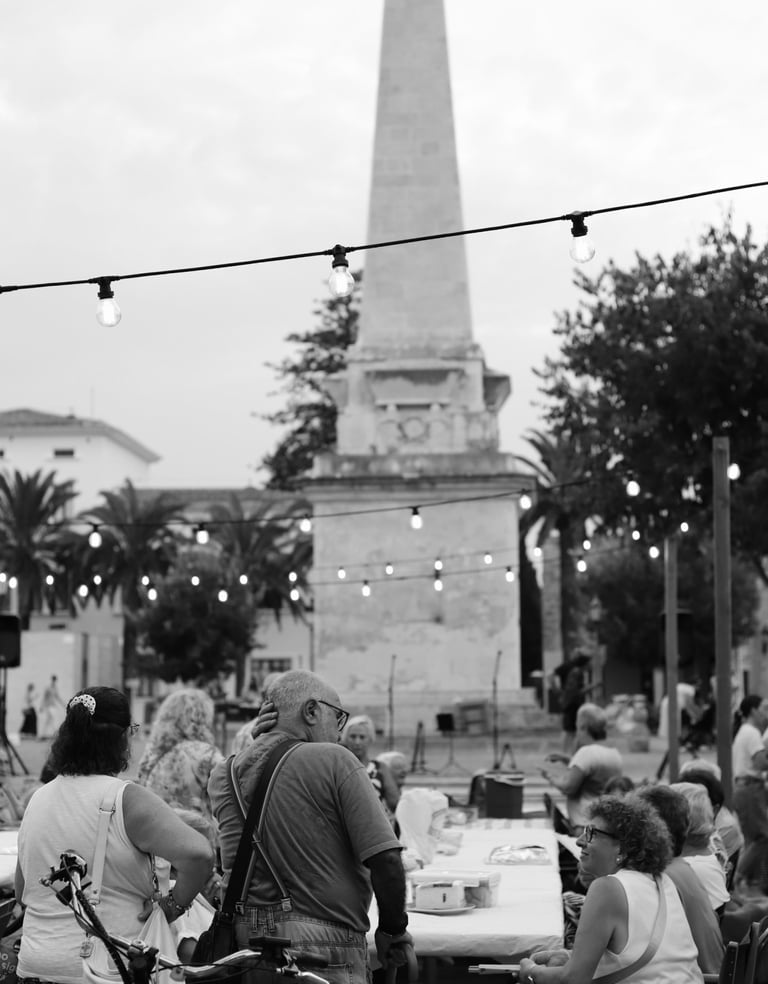
In many Mediterranean cultures, meals are not rushed or squeezed in between meetings. Eating is often a social occasion, bringing together family and friends to share conversation as well as food.
Rather than eating alone in front of a screen or grabbing food on the go, meals are seen as an opportunity to slow down and connect with others. This social aspect of eating can improve well-being, strengthen relationships and encourage more mindful eating habits.
I personally really enjoy this aspect of Mediterranean living. Even though I am definitely more reserved, there is something lovely about sitting down to have a slow meal and enjoy the conversation while you are eating. I have particularly enjoyed this over the years with my in-laws and my friends who have generously let me be an intruder in their family meals.
In addition, food is not viewed as something to fear or obsess over, but something to truly enjoy.


A Naturally Plant-Rich Way of Eating
The traditional Mediterranean diet is centred around vegetables, fruits, legumes, whole grains, nuts and olive oil, with meat consumed more sparingly than in many parts of the world.
Seasonal produce and simple ingredients take centre stage, while meals are often prepared from scratch and shared with others. This naturally plant-rich way of eating provides plenty of fibre, antioxidants and nutrients that support long-term health.
We really must take this into account when thinking about why people in the region enjoy longer and happier lives. A plant-rich diet can help to prevent many different health conditions as well as problems such as obesity and means that people are fitter, happier and healthier for longer.


Movement Built Into Daily Life
Many people living in Mediterranean regions have traditionally incorporated movement into their daily routines without necessarily viewing it as exercise.
Walking to local shops, tending gardens, climbing hills, cycling to visit friends and spending time outdoors all contribute to regular physical activity throughout the day. This is an interesting discovery highlighted in the Netflix documentary Live to 100: Secrets of the Blue Zones.
Rather than intense bursts of exercise followed by long periods of sitting, movement becomes a natural and enjoyable part of everyday life. A Blue Zone is a region where people live significantly longer and healthier lives than the global average, often reaching 100 or more. In Sardinia, Italy, one of the Blue Zones, the hilly landscape is thought to be one of the factors that contributes to the longevity of its inhabitants.
Regular movement not only improves our physical health, but also allows us to spend more time outdoors, connect with nature and enjoy the mood-boosting benefits of endorphins.

Time Outdoors and Connection With Nature
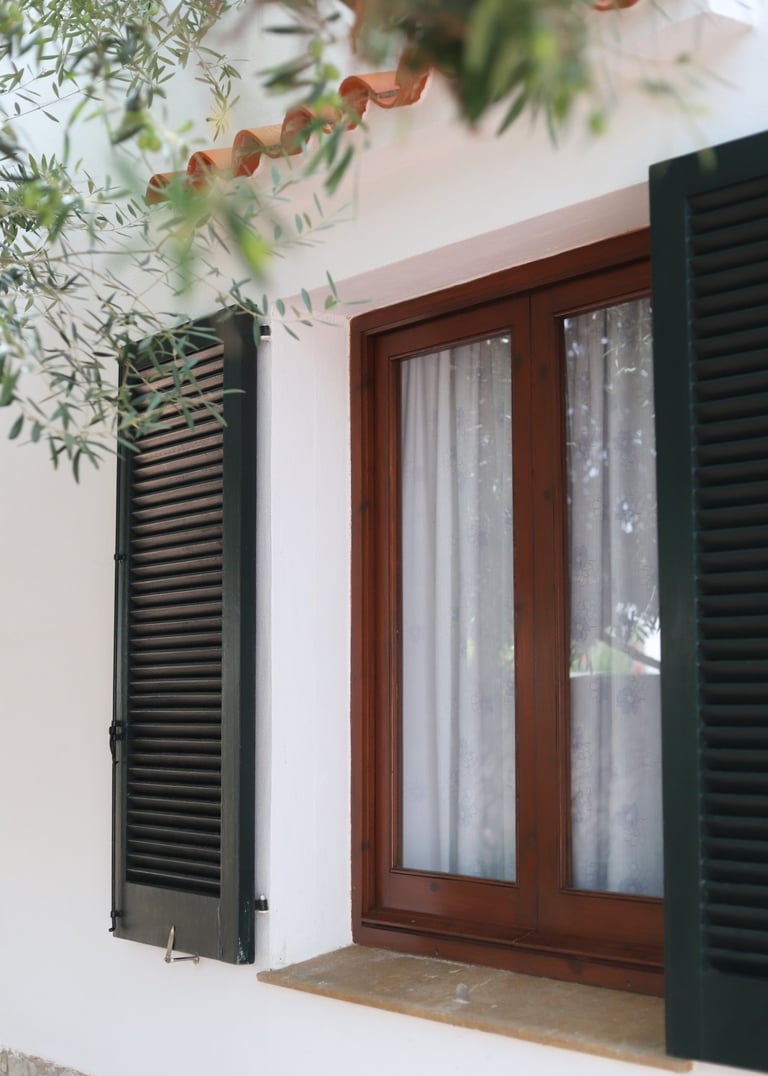
The Mediterranean climate encourages people to spend time outside, whether enjoying meals on terraces, visiting local markets or meeting friends in parks and public squares.
Exposure to natural light, fresh air and green spaces has been linked to improved mood, reduced stress and better overall health.
While not everyone lives in a sunny coastal village, the principle remains relevant wherever we are: spending more time outdoors can have a powerful impact on wellbeing.
The Importance of Rest
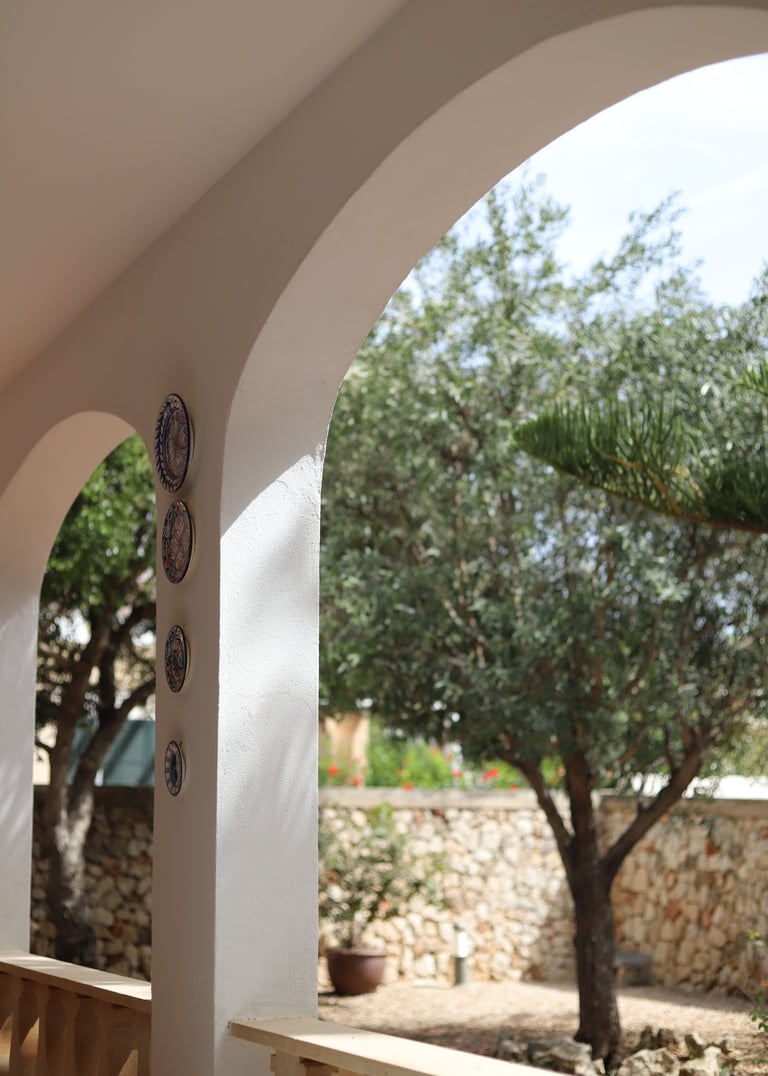
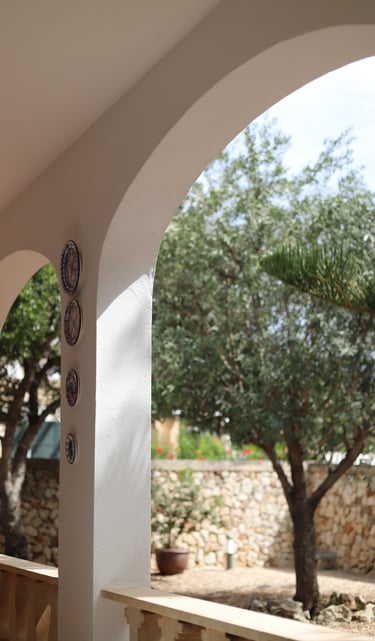
The Mediterranean lifestyle often values rest as much as productivity.
In some regions, afternoons traditionally included a break during the hottest part of the day, while evenings were reserved for family, friends and leisure rather than work. Although modern life has changed many of these customs, the underlying philosophy remains important: rest is not wasted time.
Adequate sleep, regular downtime and opportunities to disconnect from work all contribute to physical and mental health.
Living More Slowly
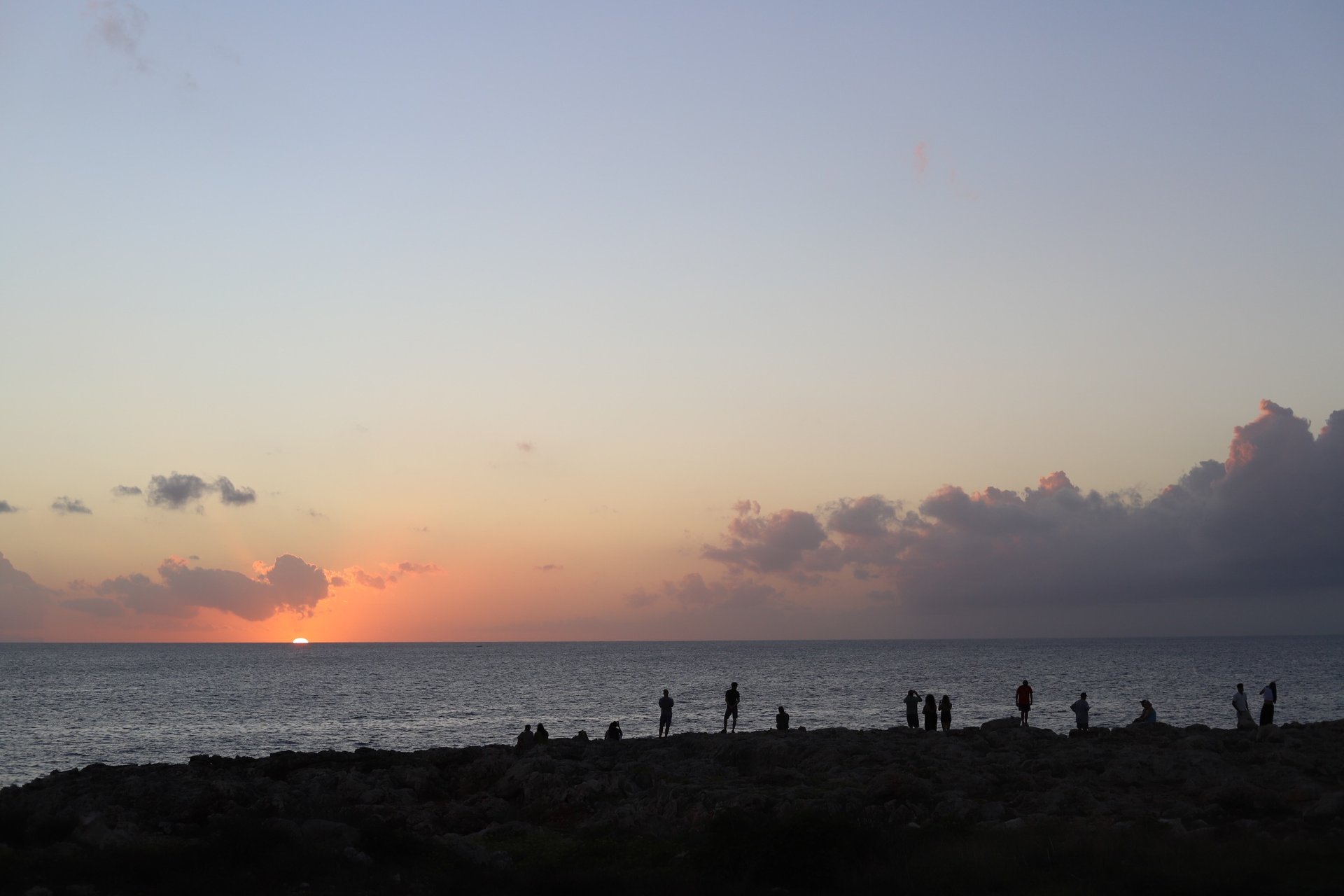
Perhaps the most appealing aspect of the Mediterranean lifestyle is its pace.
There is often a greater emphasis on quality over quantity, experiences over possessions and presence over productivity. Meals are savoured, conversations are unhurried and leisure is valued rather than viewed as a luxury.
This does not mean life is free from stress or responsibility, but it does reflect a different relationship with time.
Bringing Mediterranean Habits Into Everyday Life
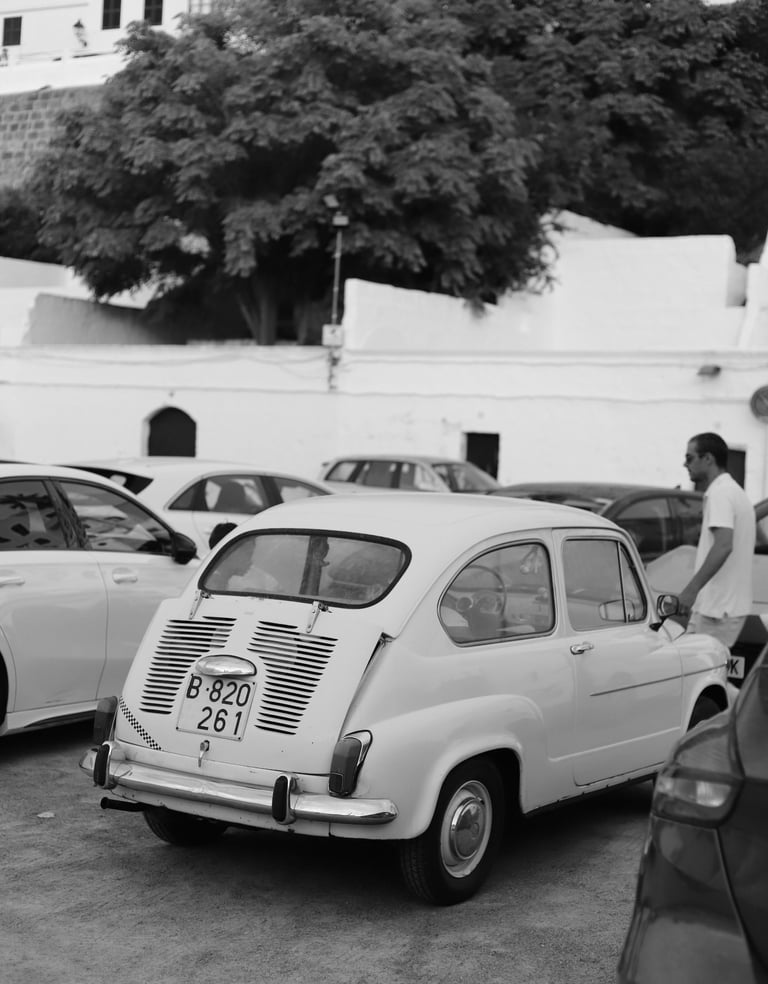
You do not need to live by the sea in Southern Europe to embrace elements of the Mediterranean lifestyle.
Simple changes can make a difference:
Eating more meals with family and friends
Filling more of your plate with plant foods
Walking whenever possible
Spending time outdoors each day
Prioritising rest and sleep
Making space for hobbies and leisure
Investing in relationships and community
The Mediterranean lifestyle is not a trend or a wellness fad. It is a collection of everyday habits that have evolved over generations and place health, connection and enjoyment at the centre of daily life.
Perhaps its greatest lesson is that wellbeing is rarely the result of a single superfood or fitness routine. Instead, it is often built through simple rituals repeated day after day: sharing meals, moving regularly, spending time with loved ones and making space to enjoy life along the way.
Lifestyle
Explore ideas, reflections, and everyday philosophy inspired by Mediterranean life.
Learn more about how ancient civilisations, trade routes, and cultural exchange have shaped the region we know today.


1st May 2025
A Brief History of the
Mediterranean
21st October 2025
18th June 2025
10 Movies to Get You in a Mediterranean Mood
The Mediterranean Way of Life: Slowing Down and Living Well
Explore a selection of films which we believe capture the atmosphere, landscapes, and summer mood of the Mediterranean.
A look at the Mediterranean way of life and how its focus on slowing down, seasonal living, and everyday pleasures shapes wellbeing.
Explore
About
Travels
Food
Lifestyle
© 2026 Beside the Mediterranean
Socials
Instagram
Pinterest
Legal
Privacy Policy
Cookie Policy
Beside the Mediterranean